


1. A pill to prevent dengue
Last year there were 14 million dengue cases, which caused 10,000 deaths, but there are still no treatments. Dengue’s a viral infection, spread by Aedes mosquitoes. The climate for these mosquitoes is equatorial, but as the climate warms they’re spreading out and marching north — including into Europe and the US:
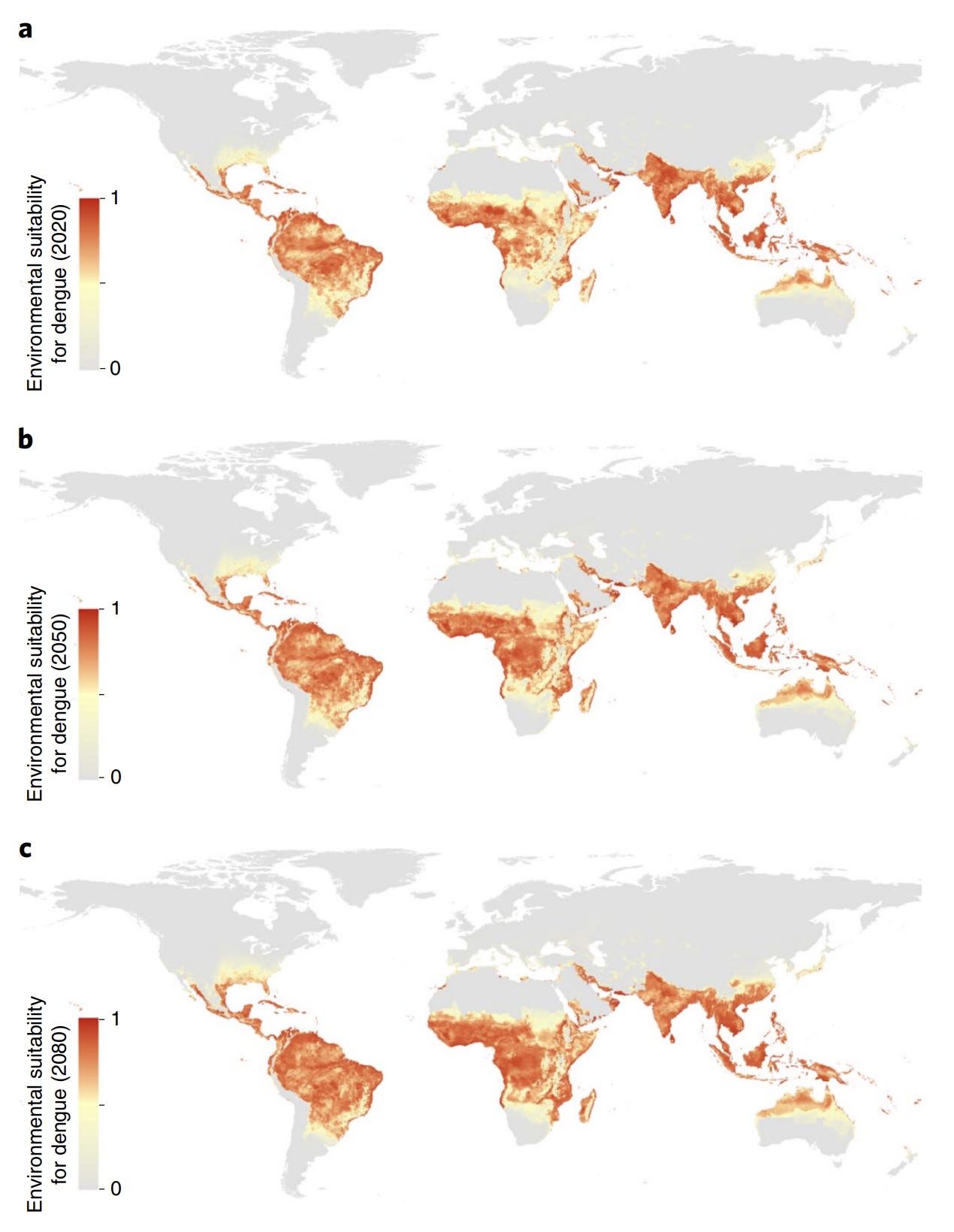
There are three licensed dengue vaccines, but only one is widely used now (Takeda’s Qdenga); it provides about 80% protection against hospitalisation, but it requires 2 doses, 3 months apart — more immediate protection would be very welcomed.
This is a trial in NEJM that tests a novel antiviral, Mosnodenvir. Because of the urgent and unmet need, it was tested in a human challenge trial: give volunteers the drug (or a placebo), expose them to dengue, and then check for infection. Mosnodenvir — particularly at the high dose — was extremely effective to prevent dengue infection:
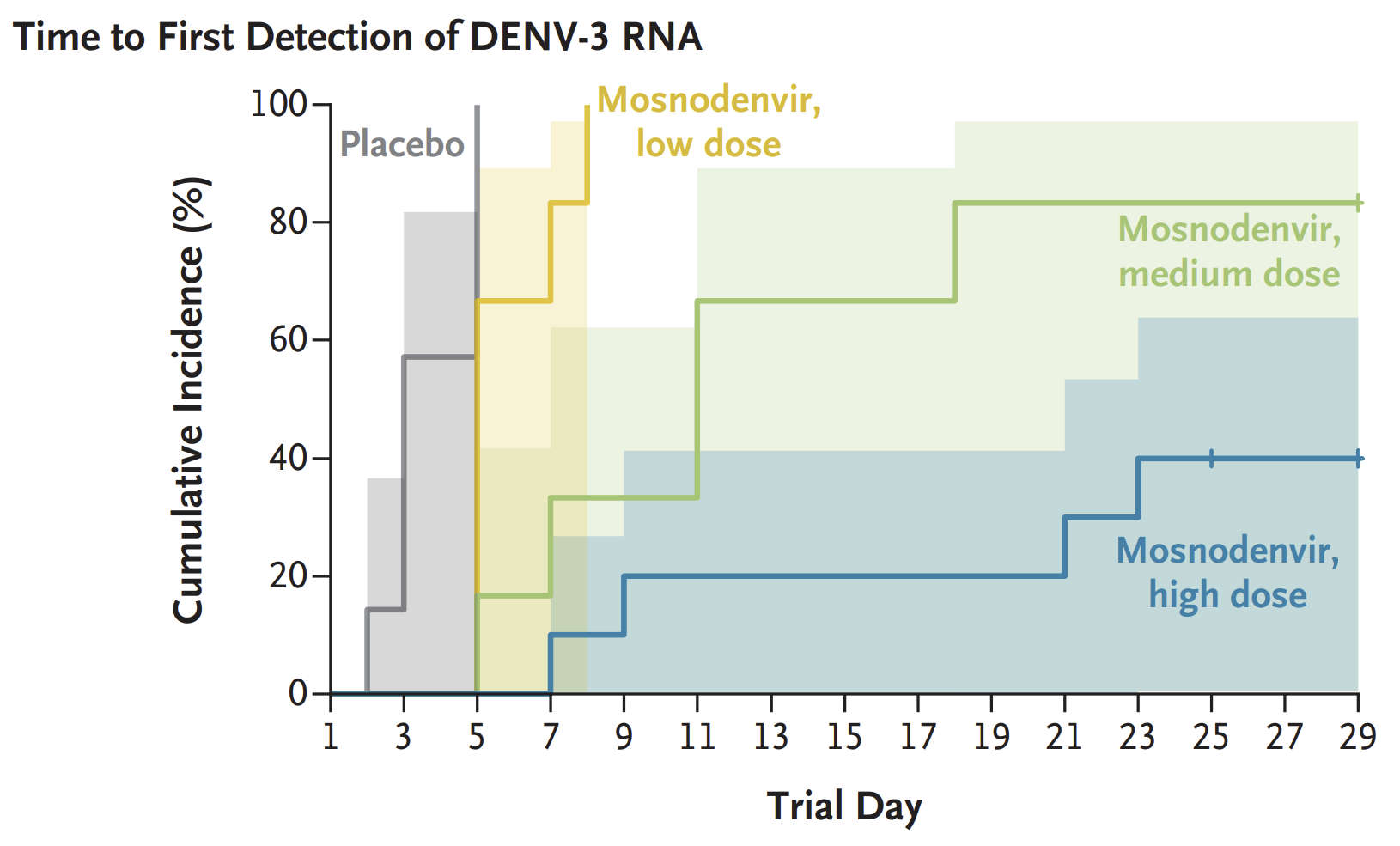
This could end a decades-long search for a dengue pill: it could be used for outbreak control, seasonal prophylaxis, or for travellers. It was tested here before virus exposure, but it may work after exposure, too (i.e. as treatment) — that’s not been tested yet. This was a phase 2 trial; what’s needed next is a real-world trial in the field.
2. Wins for a new class of anticoagulant
Clotting factor XI is a fascinating target, because inhibiting it could achieve the holy grail of anticoagulation: reduce pathological clotting risk, with minimally increased bleeding risk. This is backed by the genetic evidence from people with naturally-occurring mutations in factor XI.
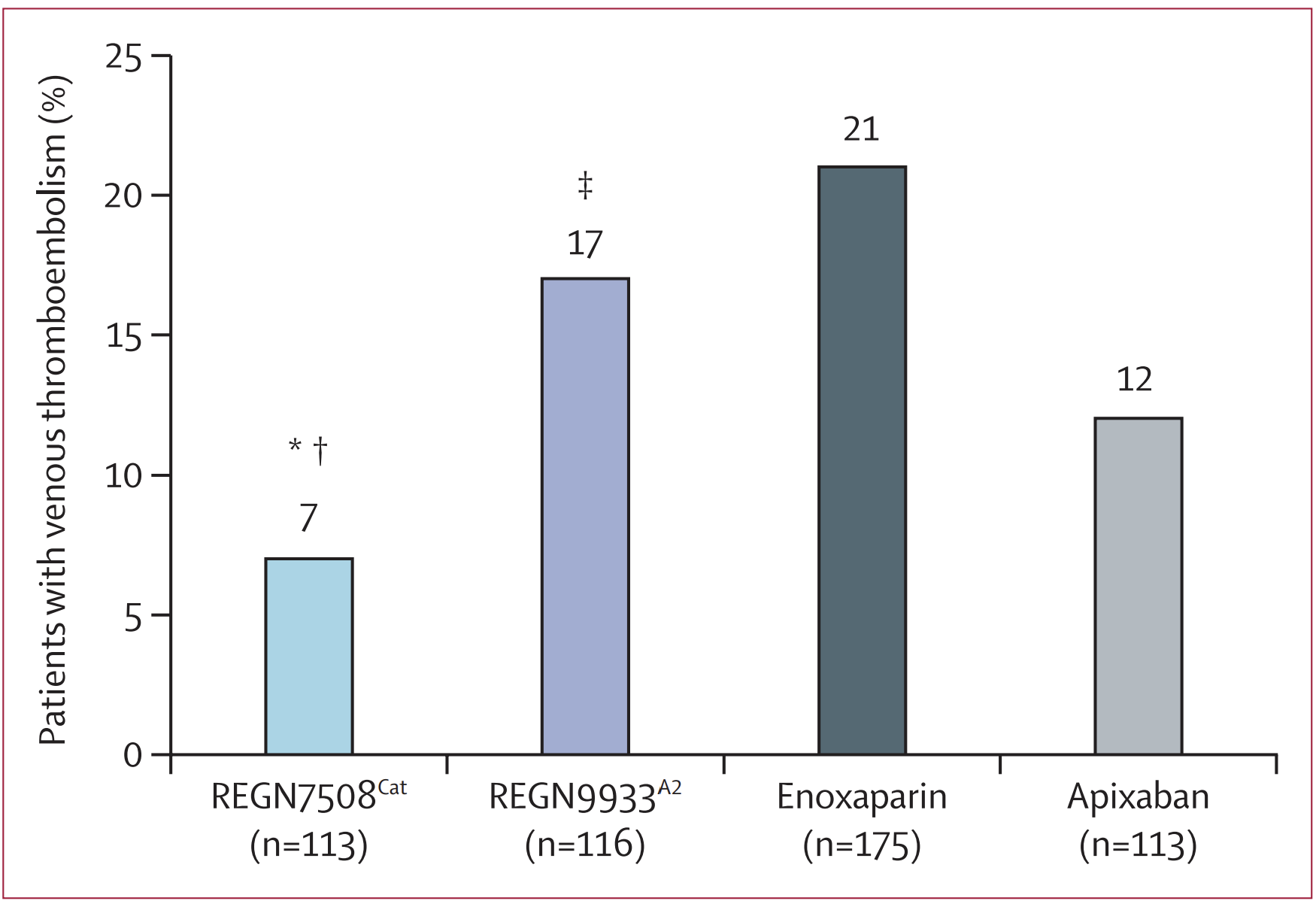
The only positive trial for a factor XI inhibitor so far is Anthos Therapeutics’ Abelacimab (for preventing venous clots after knee surgery), but this week there were 2 further positive trials. In the first, published in the Lancet, Regeneron’s factor XI inhibitor beat the standard-of-care, Enoxaparin, in preventing venous clots after surgery:
In the second, Bayer’s factor XI inhibitor (Asundexian), when added to antiplatelets, beat antiplatelets alone in a phase 3 trial for stroke prevention in patients without atrial fibrillation. Factor XI inhibition did exactly what it’s supposed to do: reduced pathological clotting, with no increase in major bleeding.
The biggest market for factor XI inhibition is stroke prevention in patients with atrial fibrillation (which affects about 10% of people over 70). Clinical trials are ongoing to test this…
3. A disease-modifying drug for IgA nephritis
The most common causes of end-stage renal disease globally are 1) diabetes 2) hypertension 3) IgA nephritis. IgA nephritis is a chronic immune disorder affecting the kidneys; the pathophysiology works a bit like this:
Infections (usually upper respiratory or gastrointestinal) in a genetically predisposed person lead to an exaggerated mucosal immune response.
B cells produce galactose-deficient IgA1 — cytokines (like APRIL) promote the survival of these B cells.
The sugars on the surface of this IgA subtype look ‘foreign’, so autoantibodies form against them.
This leads to the production of large circulating immune complexes, which deposit in the glomerulus of the kidney, activating complement and driving inflammation.
This figure, which lays it out, is courtesy of Gemini!
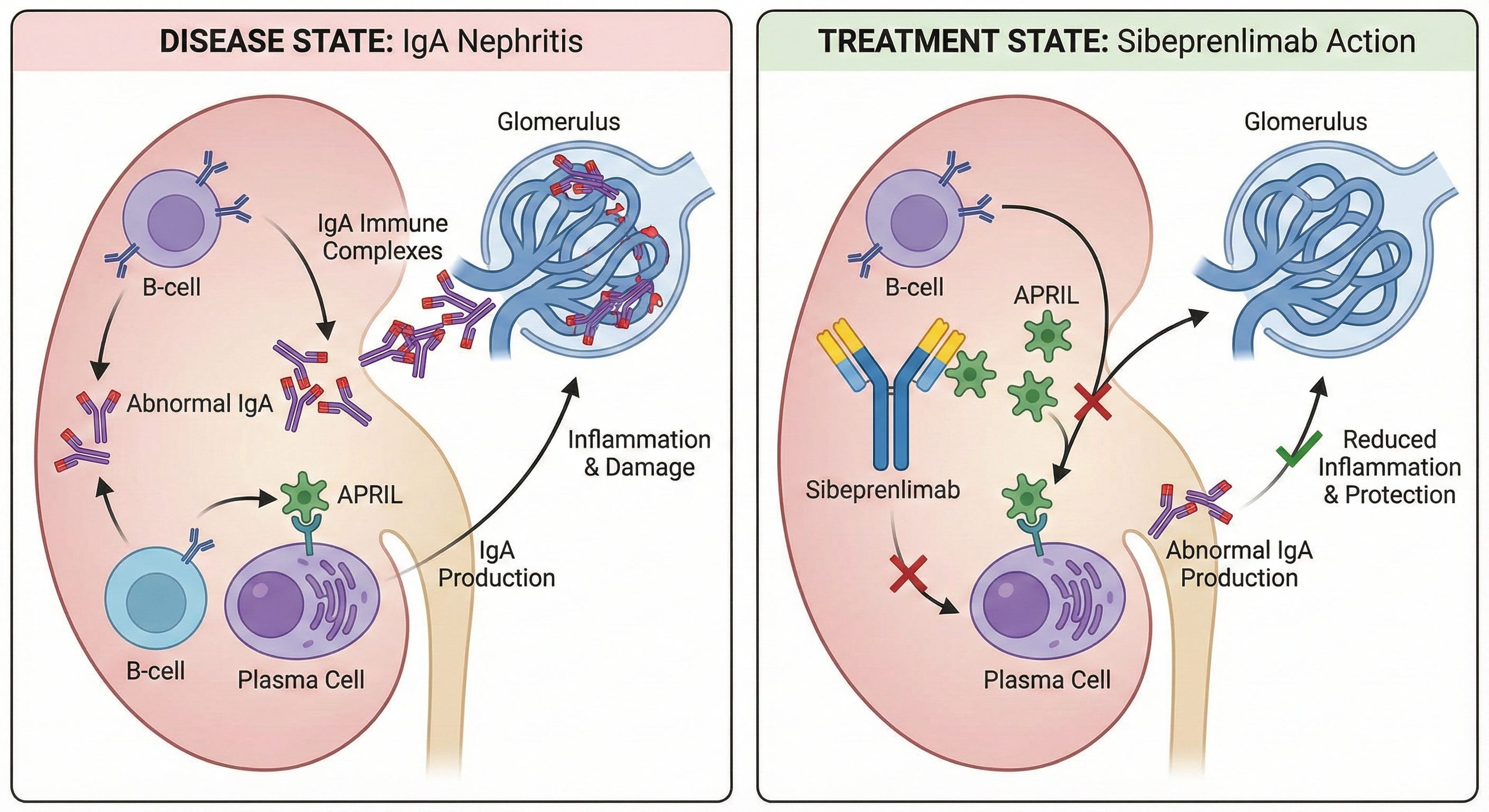
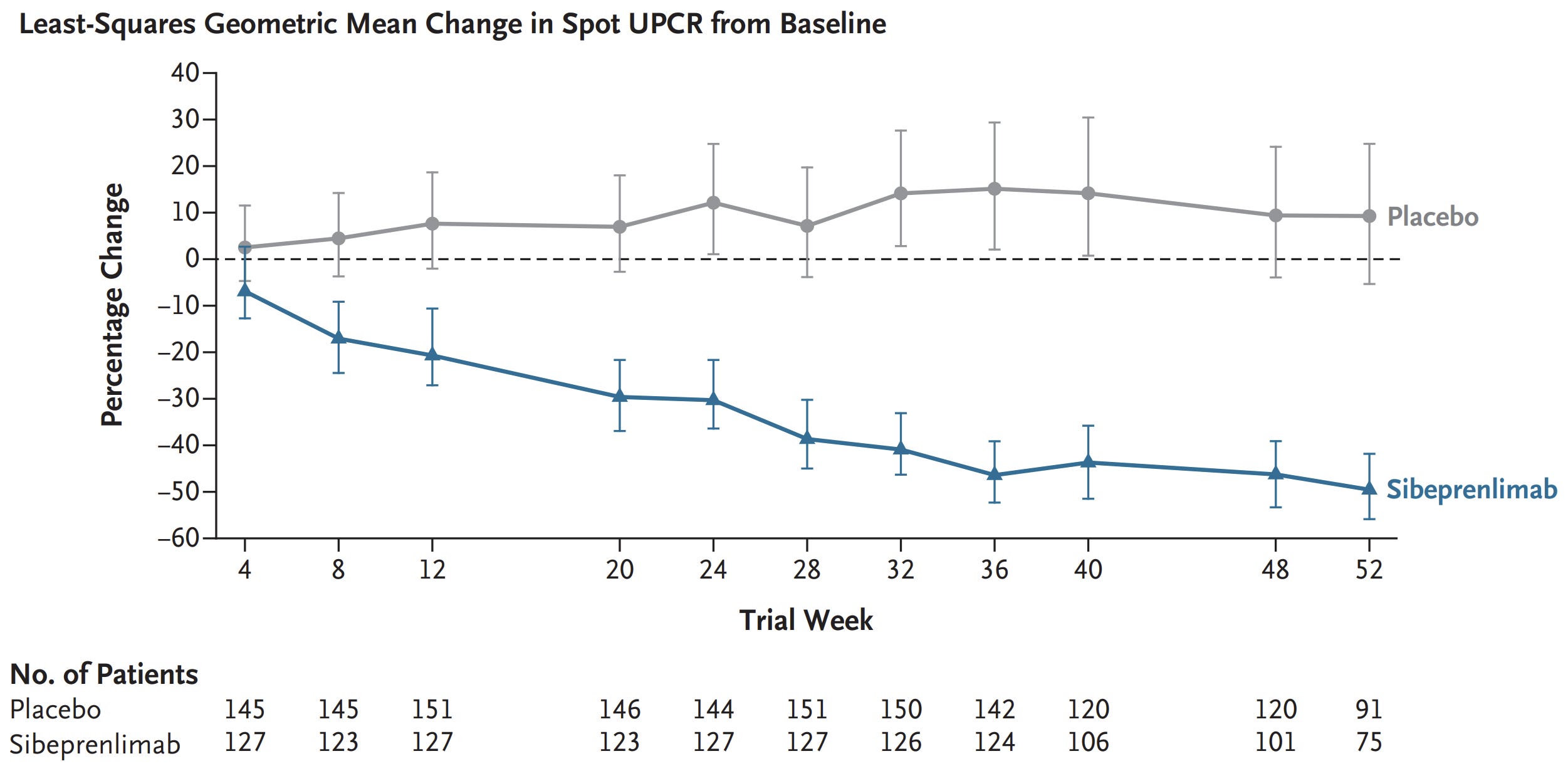
So, the cytokine, APRIL, is central to the pathology. Based on this trial in NEJM, Sibeprenlimab, an APRIL-blocking antibody, just got FDA-approval to treat IgA nephritis. Sibeprenlimab reduced the urine protein-creatinine ratio (a readout of how much protein is being lost in urine, and an extremely good surrogate of kidney dysfunction) vs. placebo:
This is the latest in a series of breakthroughs for IgA nephritis. In 2020, there were 0 FDA-approved therapies, and now there are 5!
4. Progress in heart failure survival
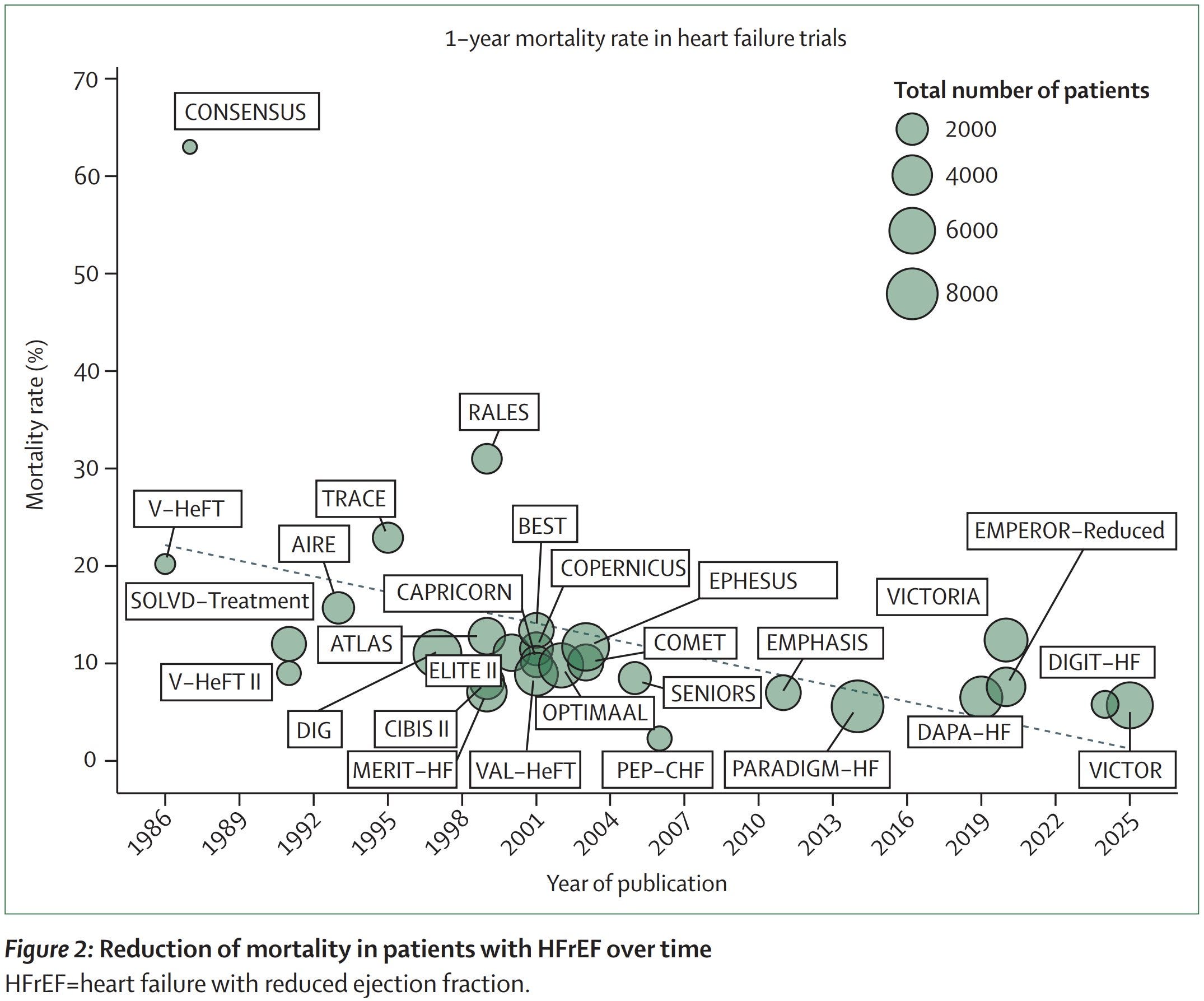
In the very first clinical trial for heart failure, survival at one year was 80%. Slowly but surely, over the subsequent 35 years, these numbers improved: in the most recent trial, survival at one year was 95%! This is due to a series of incremental medical breakthroughs, spelled out in this Lancet article.
This means, in the first trial in the chart below (CONSENSUS), patients were treated with a diuretic, and with digoxin.
In the last one (VICTOR), patients had options of the ‘four pillars’ of modern heart failure treatment: ARNI or ACE inhibitor/ARB; β-blocker; mineralocorticoid receptor antagonist (MRA); SGLT2 inhibitor — as well as cardiac devices for certain patients.
So it got much more complex — but dramatically improved outcomes, too.
5. An update to the standard-of-care in pancreatic cancer
Unlike many other cancers, there’s been minimal progress in pancreatic cancer survival over the last few decades.
So, this is a very welcome breakthrough in the Lancet this week. It’s the first phase 3 trial in early (stage 1-3) resectable pancreatic cancer to show clear superiority of one neoadjuvant regimen (i.e. a medical therapy, used before surgery) over another.
The control group received mFOLFIRINOX chemotherapy (modified fluorouracil, leucovorin, irinotecan, and oxaliplatin), and the intervention group received PAXG chemotherapy (cisplatin, nab-paclitaxel, capecitabine, and gemcitabine). PAXG was considerably better — and, importantly, with a comparable rate of adverse events:
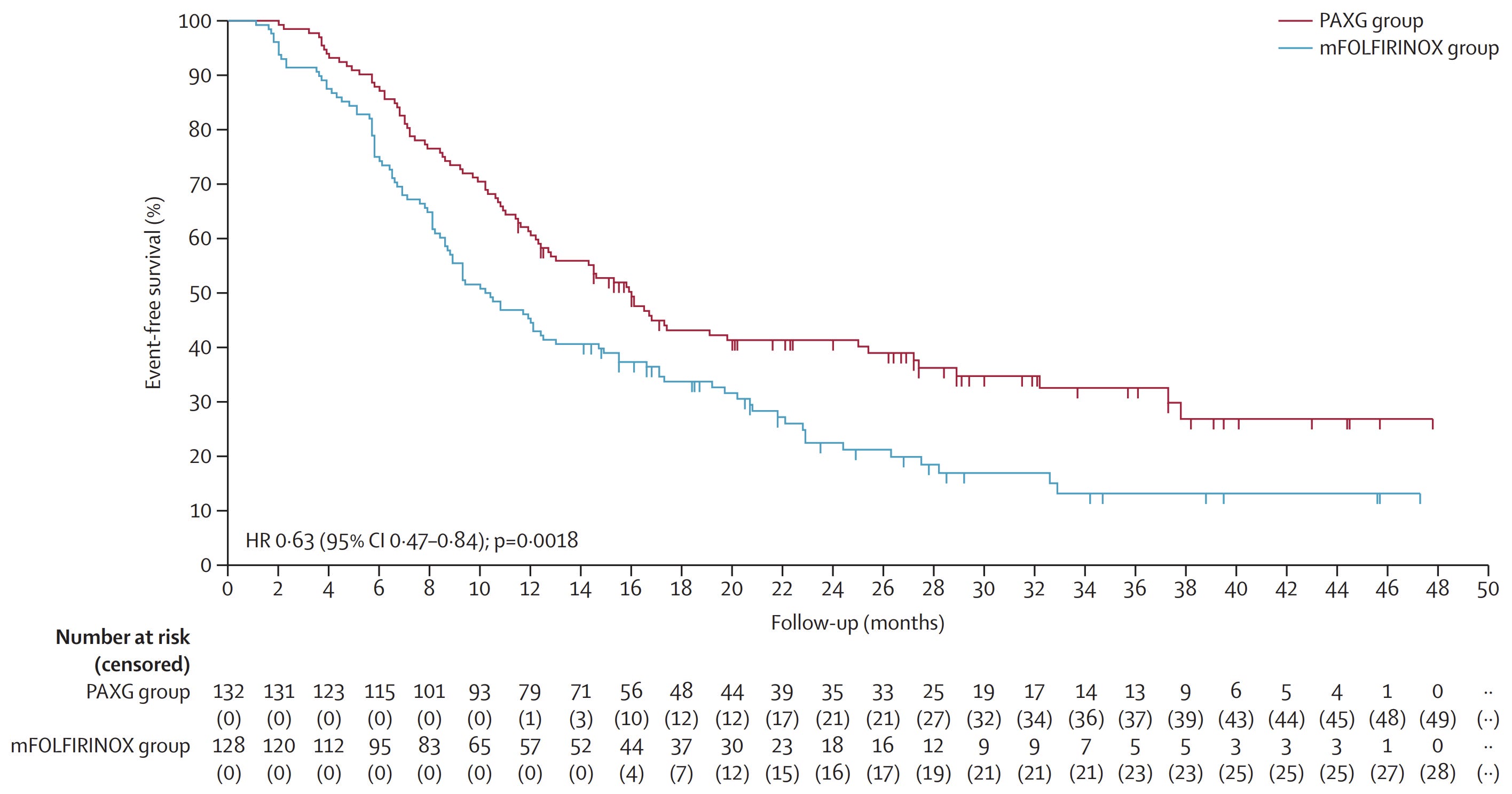
This is not yet updated in major cancer guidelines, but the authors suggest that “neoadjuvant therapy should be indicated as standard-of-care for patients with non-metastatic PDAC before surgery.”
This is for resectable cancer, but we know the survival for unresectable cancer is much worse. The key here — and still a major issue in pancreatic cancer — is early detection. There are a few tests coming through, including Avantect, PancreaSure, and metabolite tests, and this week an AI tool beat radiologists for early pancreatic cancer detection on CT scans!
Thank you for reading! Let me know what you think!