Sepsis is a detrimental inflammatory response to a microbial pathogen, usually bacterial. It is generally treated with antibiotics, fluids, and vasopressive drugs. Still, mortality remains high at approximately 20%. Sepsis is also the place where phase 3 trials go to die: barely any drug interventions beyond antibiotics have succeeded in reducing the mortality rate in sepsis.
This is expertly illustrated in a 2014 article reviewing past trials in sepsis. It also lists plenty of reasons why interventions fail. Since then, not much has changed in sepsis research, and many phase 2 and 3 trials have not succeeded to improve survival.
As sepsis is essentially a dangerous immunological response against an infection, immunomodulatory interventions have been tried: non-steroidal anti-inflammatory drugs such as ibuprofen, corticosteroids and antibodies against inflammatory mediators. Even filtering inflammatory microbial components directly from the patients blood has been tried. Unsurprising, given the earlier paragraphs, this all failed in clinical trials.
The role of dying cells in sepsis
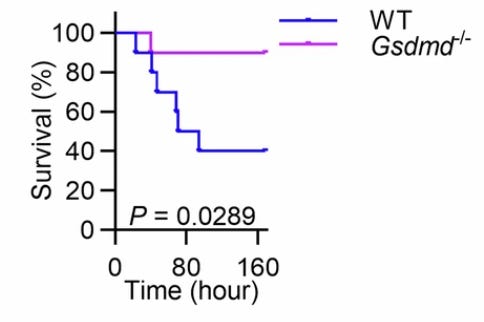
Similar to how we have already cured cancer several times in mice, we have been able to stop sepsis in its tracks already a few times in mice. There are even genetically engineered mice resistant to sepsis: knocking out the Gsdmd gene creates mice that better withstand a mouse model of sepsis, and suffer less brain and heart damage commonly associated with sepsis.