


Before I start: if you’re doing research in an academic lab, in a hospital, in biotech, or in pharma, you might be interested in something I’ve been building with a team of doctors and AI engineers. It’s a scientific research platform, that guides you to produce a publication-quality systematic review, end to end, in <1 day. You can see more information or request a demo here!
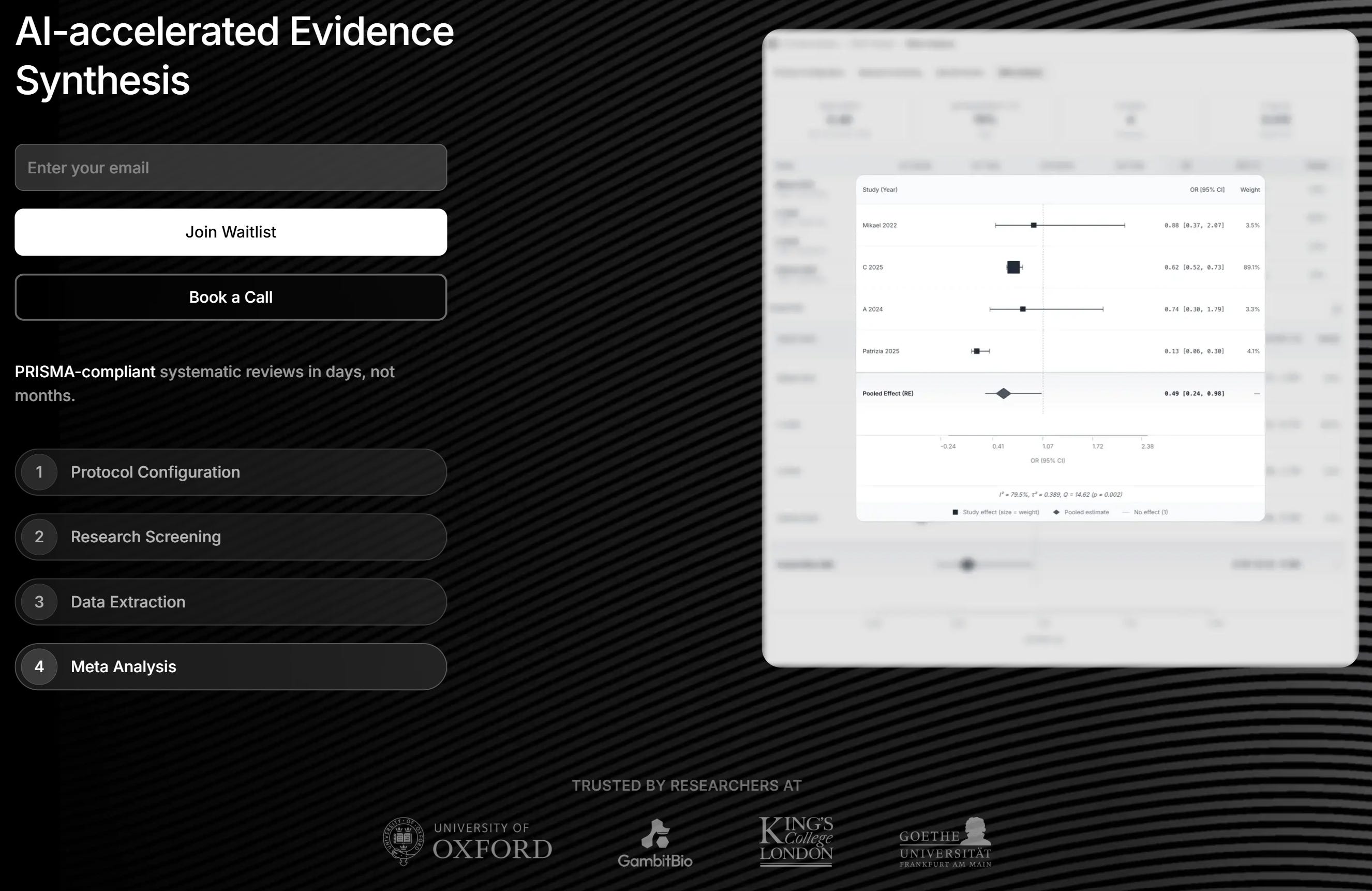
1. Towards a vaccine to prevent colorectal cancer
I used to study Lynch syndrome in the lab (actually I did my master’s thesis on it!). It is a surprisingly common genetic syndrome — affecting about 1 in 300 people — and it carries an extremely high (~80%) lifetime risk of cancer, mainly colorectal.
Lynch syndrome is caused by dysfunction in mismatch repair, which means the arising cancers are rich in mutations — mainly frameshift mutations.
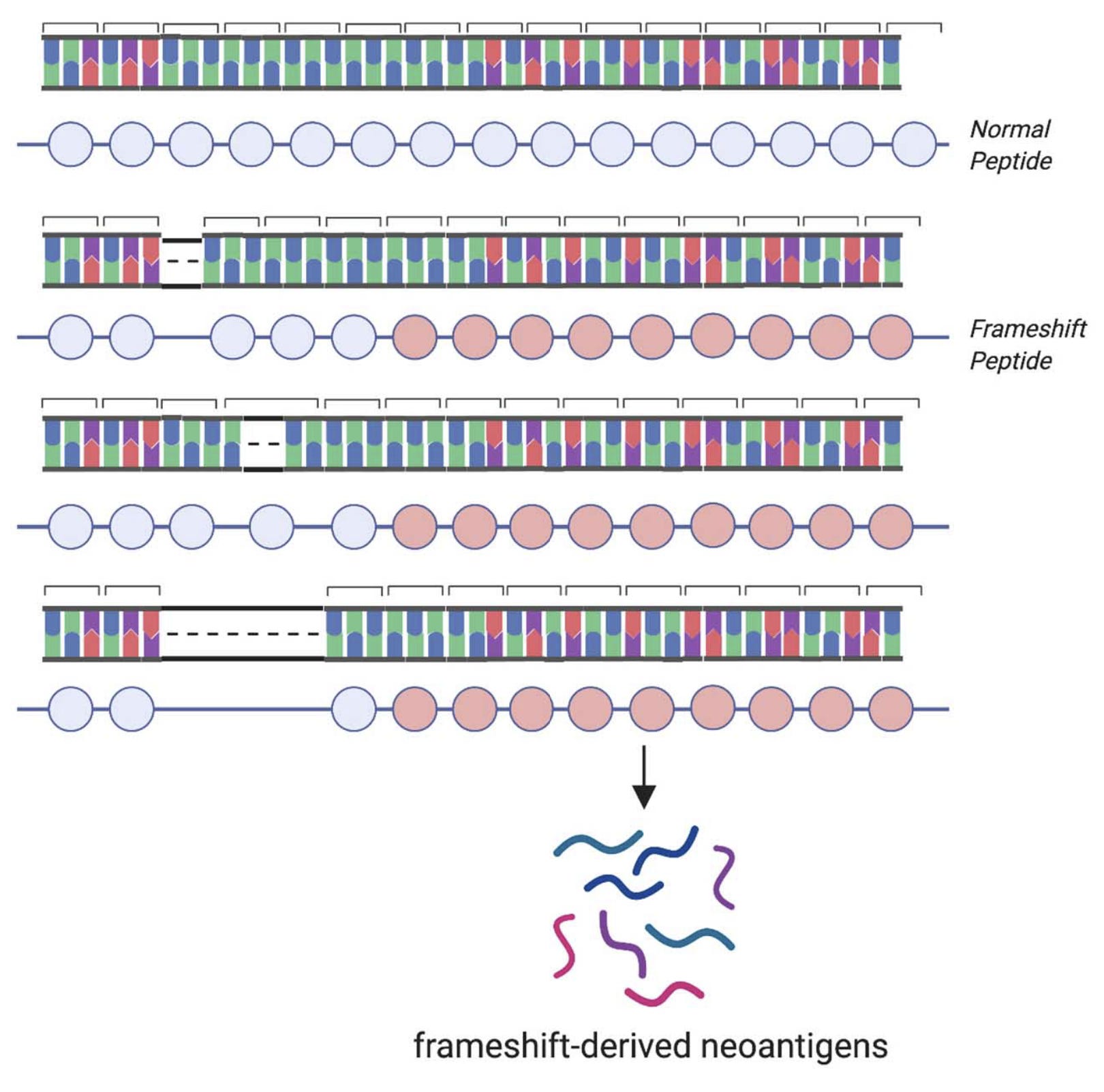
The peptides arising from these frameshifts make them look very different from normal peptides, which makes them the perfect candidate targets for cancer vaccines.
Published this week in Nature Medicine is a vaccine built to stimulate immunity against these frameshift peptides, which worked here in 100% of patients. It activated neoantigen-specific T helper and T killer cells (which can directly kill tumour cells). The study is phase 1b/2, with no randomized control group, but you can see signals of clinical efficacy on advanced adenomas (precursor lesions to colorectal cancer), too:
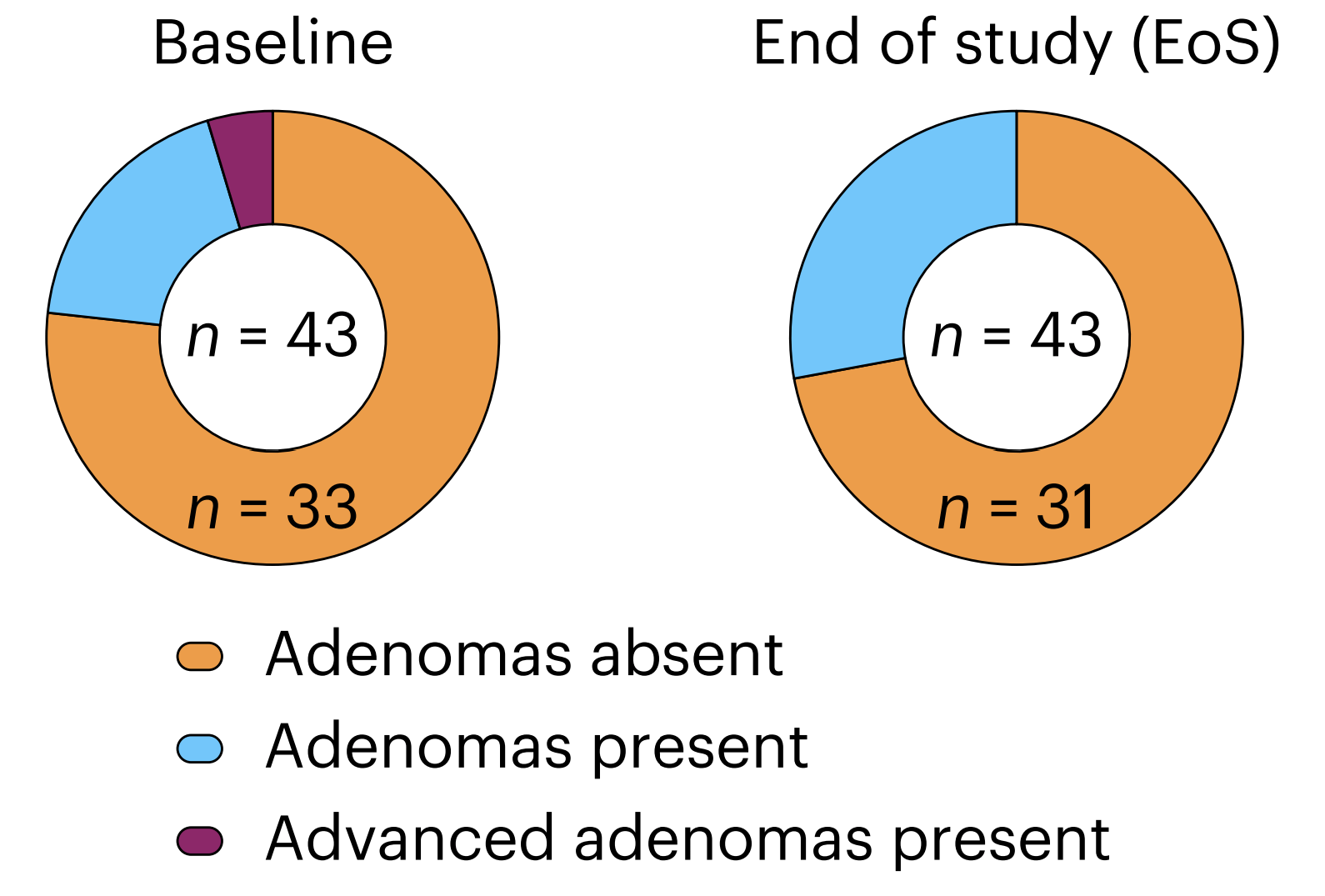
Whether this can prevent cancer remains to be seen, but it’s an exciting possibility. This trial is being run by NousCom, but it’s not the only trial in this space — ImmunityBio and LynchVax are also running trials.
2. An AI model to predict diabetes
Continuous glucose monitoring has no benefit in people without diabetes… or does it? Published in Nature this week, this is a quite stunning foundation model for continuous glucose monitoring, trained on data from >10,000 patients (mainly) without diabetes.
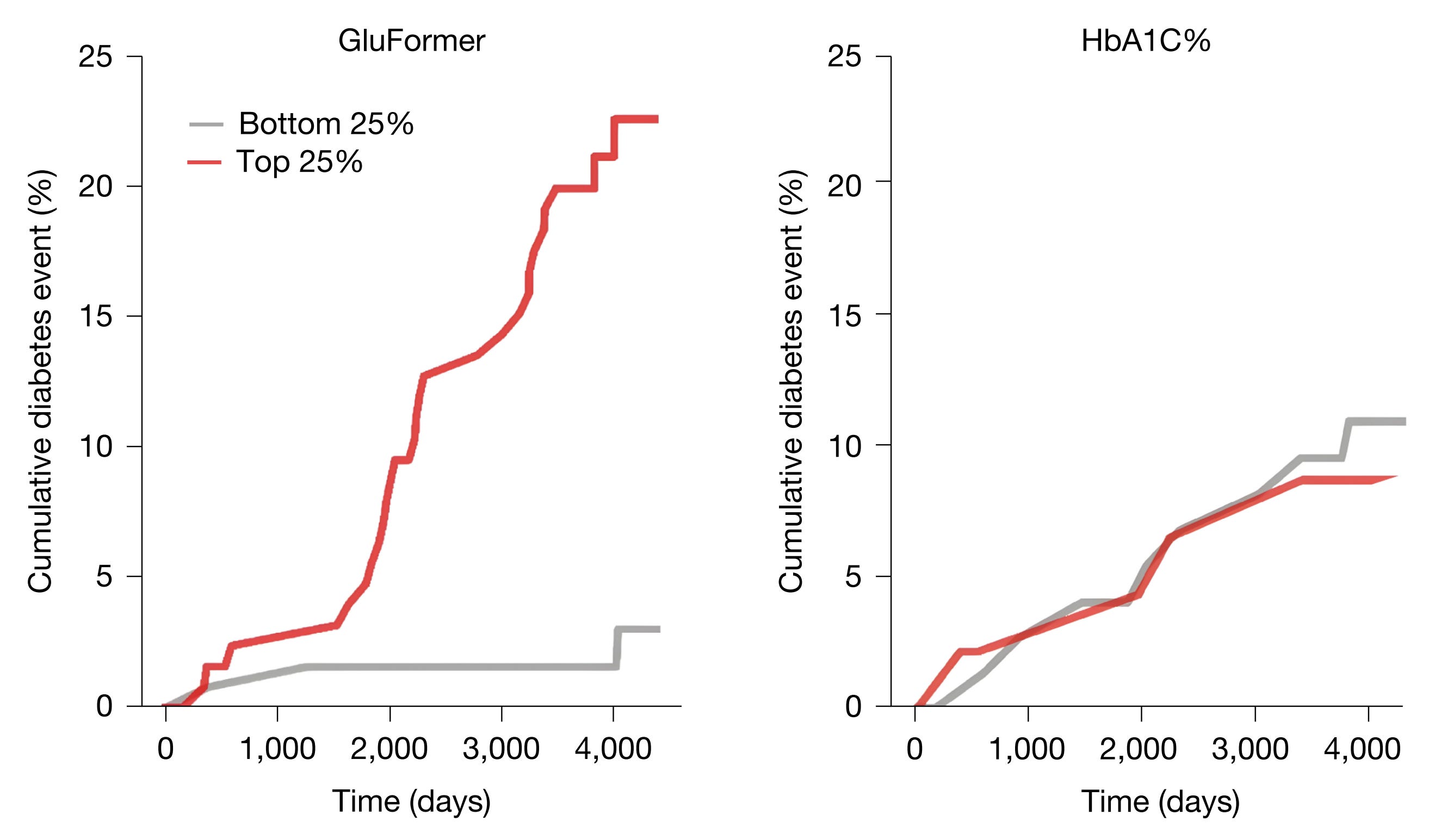
The current diabetes biomarker is HbA1C — a measure of how much sugar is attached to haemoglobin. HbA1C gives a snapshot of blood glucose levels over the last 2-3 months. This model (called GluFormer) predicted future progression to diabetes, in those with pre-diabetes, much better than HbA1C:
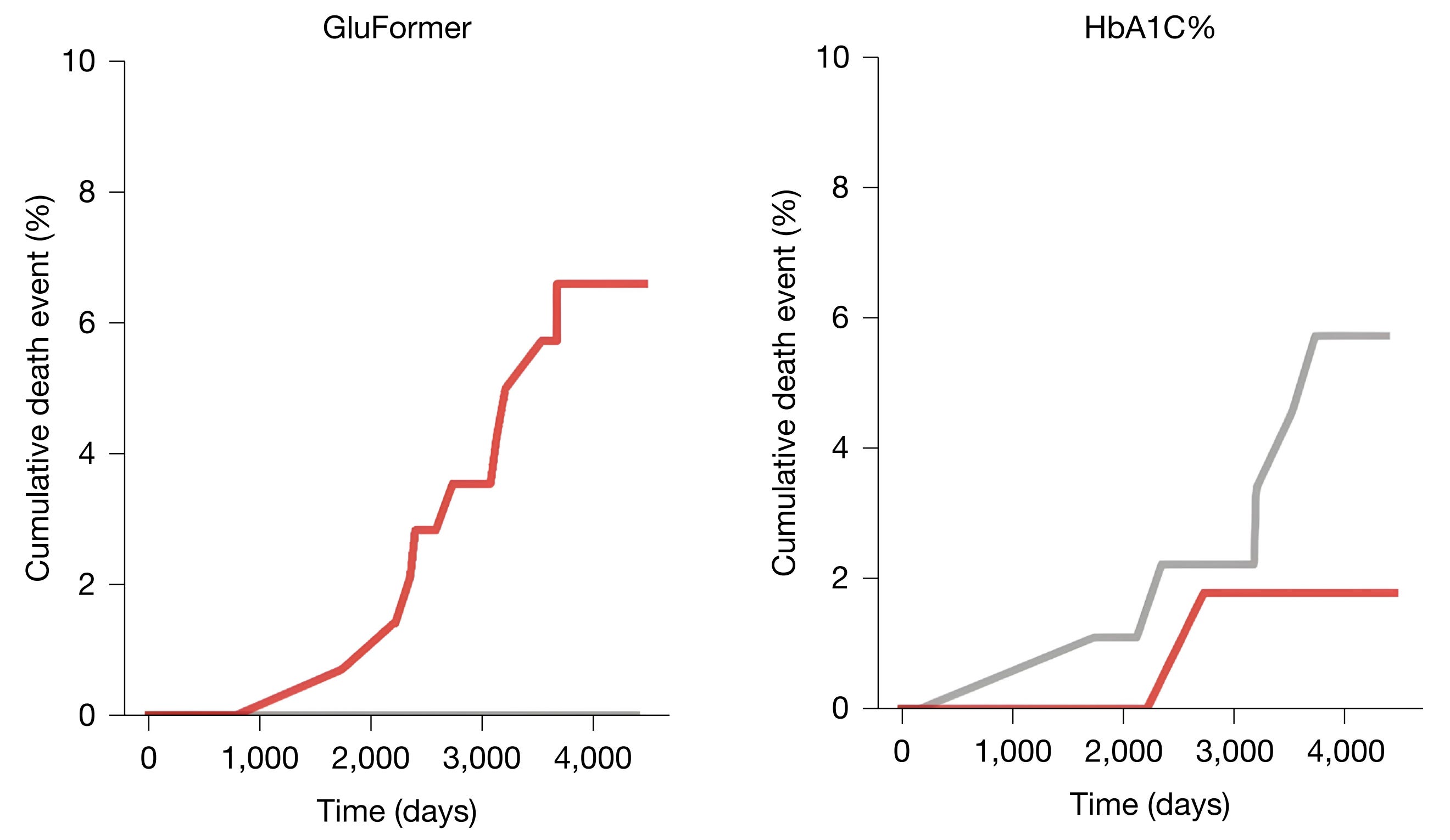
It also predicted the future risk of cardiovascular death: >6% of those in the top 25% of GluFormer risk died from a cardiovascular cause over the follow-up 10 years, vs. 0% in the bottom 25% of risk (that’s the grey line hugging the X axis in the graph on the left):
The model places more weight on extreme glucose features (like spikes and variability) than ‘typical’ glucose behaviour, and is able to distinguish glucose spikes after meals (post-prandial dysglycaemia, an early sign of diabetes, caused by β-cell dysfunction/peripheral insulin resistance) from high fasting glucose (a late sign of diabetes, caused by hepatic insulin resistance).
It looks like the model only requires ~2 weeks of continuous glucose data to make these predictions. Given the widespread availability of glucose monitors, and the recent FDA-approval of a monitor (including for people without diabetes), this could lead to earlier diagnosis and better prevention of diabetes.
3. The first anti-CGRP therapy for migraine in children
We now understand the pathophysiology of migraine pretty well: the central molecular driver is CGRP (which stands for calcitonin gene-related peptide). Migraine has a >10% prevalence in children and adolescents — but there’s been no targeted anti-CGRP therapy for this group (until now!).
In migraine, CGRP is released from the trigeminal nerve (which starts in the brainstem, then splits and spreads across the face) leading to vasodilation of meningeal vessels and neurogenic inflammation. This figure lays out the medicines that target this axis:

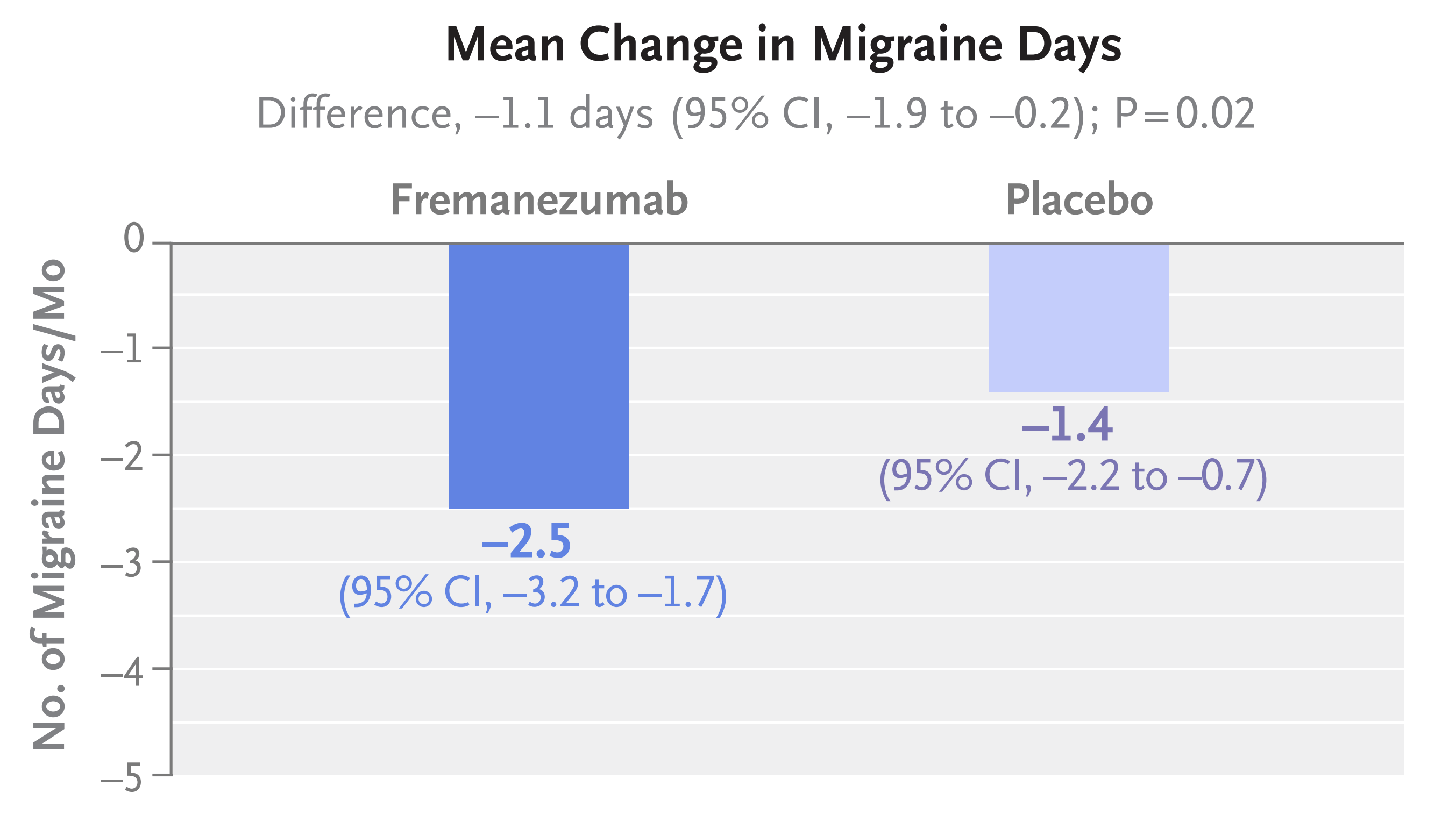
Fremanezumab is an anti-CGRP antibody, made by Teva Pharmaceuticals, given as a subcutaneous injection once a month. It aims to prevent migraine attacks, and was tested vs. placebo in this trial, which was published this week in the NEJM. Fremanezumab reduced the average migraine days per month to 5.3 (from 7.8) vs. 6.1 in the placebo group (from 7.5):
Based on these data, it was FDA-approved — the first anti-CGRP for migraine in children.
4. A targeted therapy beats chemotherapy in lung cancer
Our approach to cancer therapy is highly personalised (unlike most other specialties), which is nicely exemplified by this breakthrough. A few years ago the EGFR inhibitor, Osimertinib, was developed, which dramatically improved outcomes in EGFR-mutant lung cancer:
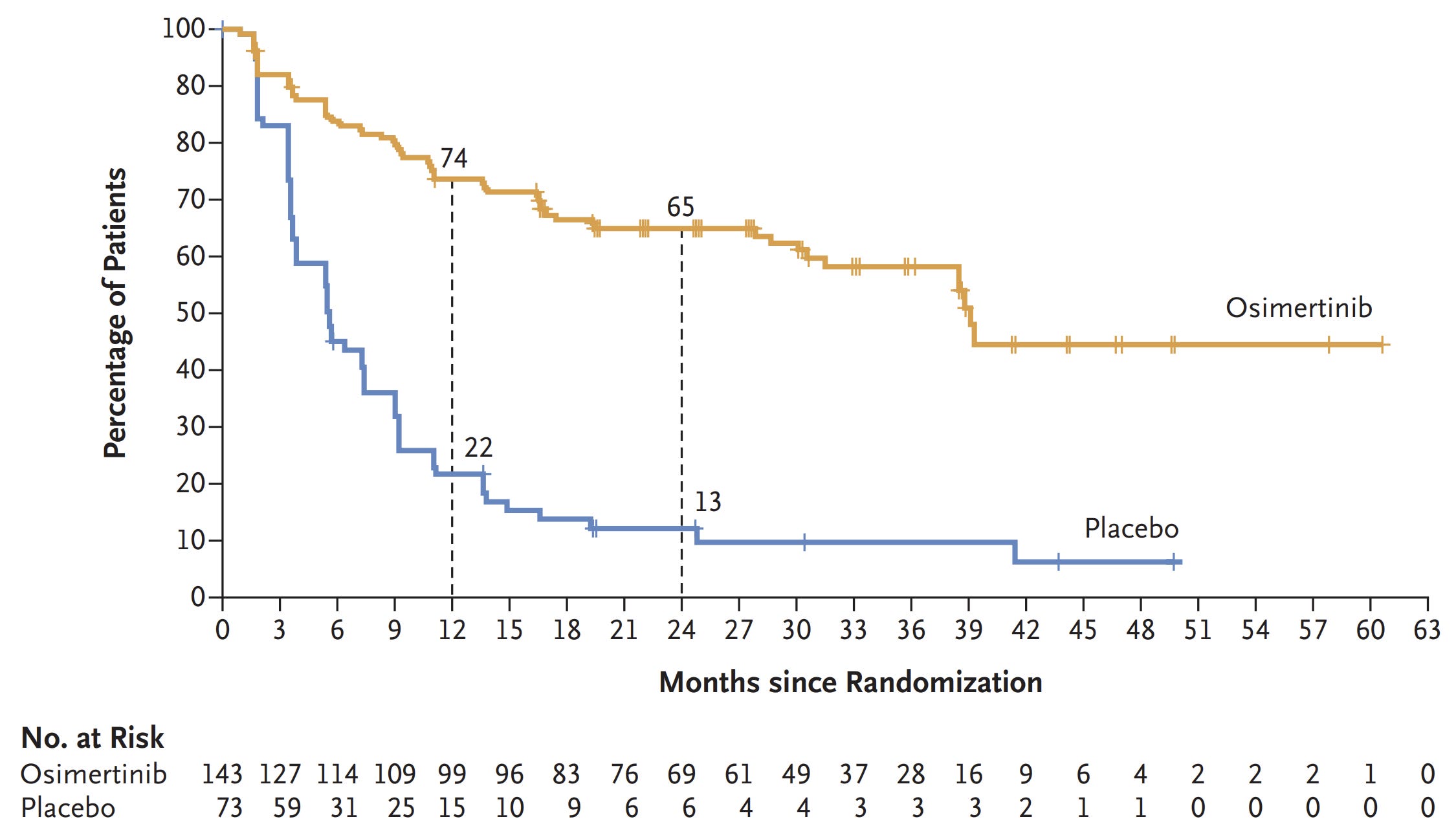
The problem is that eventual resistance to Osimertinib is almost invariable.
