


1. The first pig-to-human lung transplant
Pig organs – hearts, livers, and kidneys – have been transplanted into humans before, but this is the first time a lung transplant has been done. It’s an experimental study, so – as is standard for first-in-human trials like this – the lung was transplanted into a human who was brain-dead.
To try to reduce the risk of rejection, six genes were edited: pig antigens were removed, and human genes were added. This is a pretty modest number of genetic edits – a previous pig kidney transplant had 69 edits!
These images (chest X-rays) show how the trial progressed. The initial transplant was successful, with no immediate rejection. But over the next few post-operative days (PODs) the lung accumulated edema (fluid), with a peak at day 6. This improved slightly into day 9, when the trial was stopped.

So, despite a very aggressive immunosuppression regimen (rabbit anti-thymocyte globulin, basiliximab, rituximab, eculizumab, tofacitinib, tacrolimus, mycophenolate mofetil and steroids) the lung was suffering antibody-mediated rejection. Ultimately, this is a scientific breakthrough but not yet a clinical success.
Here’s the study.
2. Approval of cholesterol drug, Evolocumab, expanded
Evolocumab reduces LDL (‘bad’) cholesterol, and it’s been approved for a while to reduce the risk of heart attack, stroke, or death in those who already have cardiovascular disease.
But the FDA just expanded this approval, so that now it’s more broadly approved for people at high cardiovascular risk – irrespective of existing cardiovascular disease. This is a move towards primary over secondary prevention: preventing disease before it’s happened, rather than preventing recurrence.
Evolocumab is an antibody that blocks PCSK9 – this prevents LDL receptor breakdown by PCSK9, so more LDL receptors recycle to the liver surface. This means LDL gets taken up from the blood (where it can form plaques) to the liver (where it can’t).
It’s a very effective drug – these data come from one of the early trials as secondary prevention (the trial looking at primary prevention isn’t over yet).
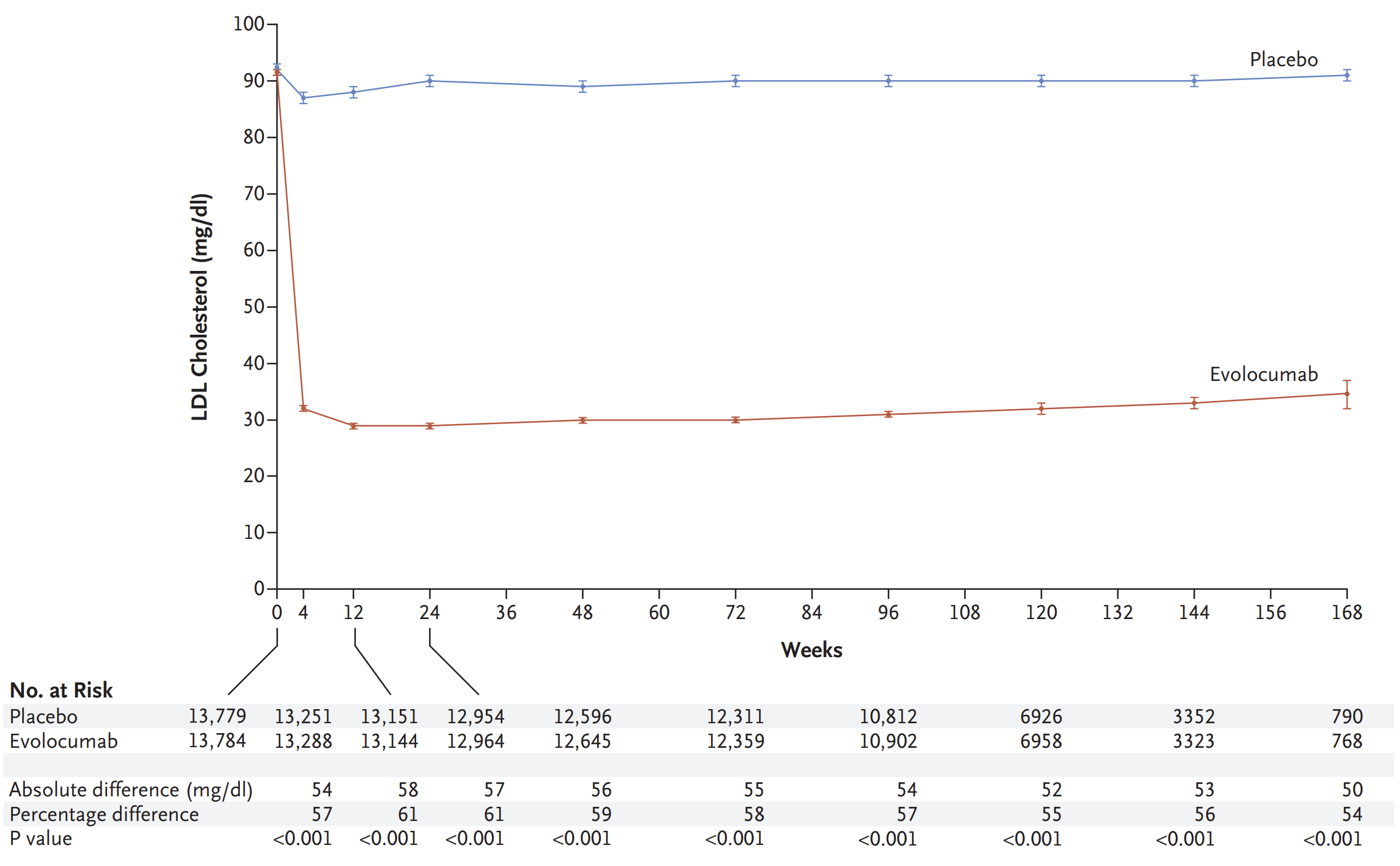
With this, evolocumab joins statins, ezetimibe, bile acid sequestrants, and the PCSK9 siRNA, inclisiran, as therapies that are approved – as first-line options – for primary cardiovascular disease prevention.
Here’s the trial and the approval.
3. A lipid-targeting therapy in MASH
MASH – liver inflammation and fibrosis due to metabolic dysfunction (obesity, diabetes, high lipids) – affects 5% of adults, and has a risk of progression to cirrhosis. Cases of MASH are set to take off, so it’s good that the pipeline of emerging therapies is red hot.
This is a phase 2 trial of an antisense oligonucleotide – given as a once monthly injection – that reduces production of new lipids in the liver by targeting and degrading the mRNA encoding DGAT2 (diacylglycerol O-acyltransferase 2).
It doesn't affect bodyweight, which means it might be best for those with 'lean' MASH, or in combination with GLP1 receptor agonists (semaglutide is already approved for MASH).
The trial’s endpoints include resolution of MASH and improvement in fibrosis, both of which require liver biopsy. This is an invasive approach that uses a needle to pass through the skin and into the liver. The good news for patients (and trialists) is that the FDA just accepted a proposal for a much less invasive endpoint – liver stiffness, measured by FibroScan.
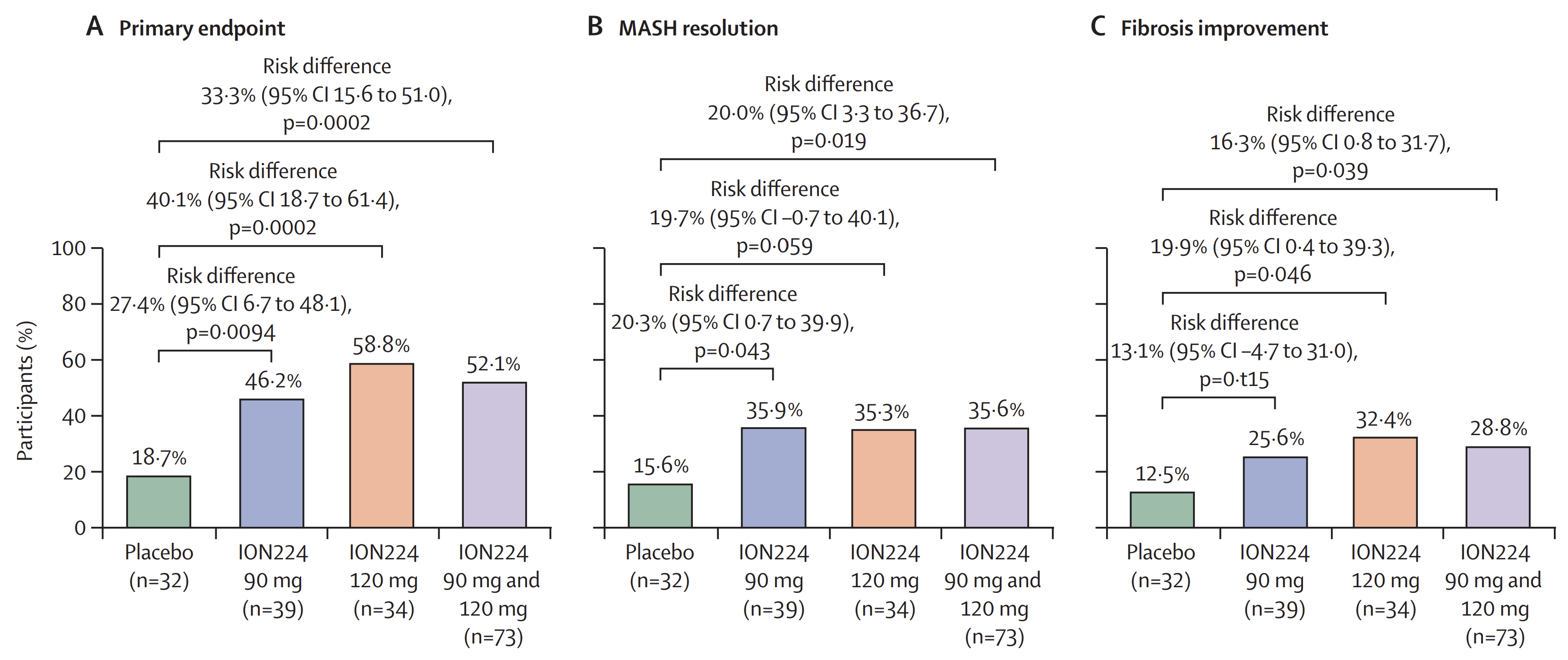
Here’s the trial.
4. A new approval for hereditary angioedema
Hereditary angioedema affects about 1 in 50,000 people. It causes swelling attacks that are unpredictable, painful, and can be even be fatal (if airway swelling occurs without treatment).

This week, donidalorsen was FDA-approved to prevent swelling attacks – it’s an antisense oligonucleotide that targets and degrades the mRNA of a key protein in the angioedema cascade: prekallikrein.
By lowering prekallikrein, donidalorsen reduces its conversion to kallikrein, which is the enzyme that makes bradykinin. Less bradykinin means fewer swelling attacks.
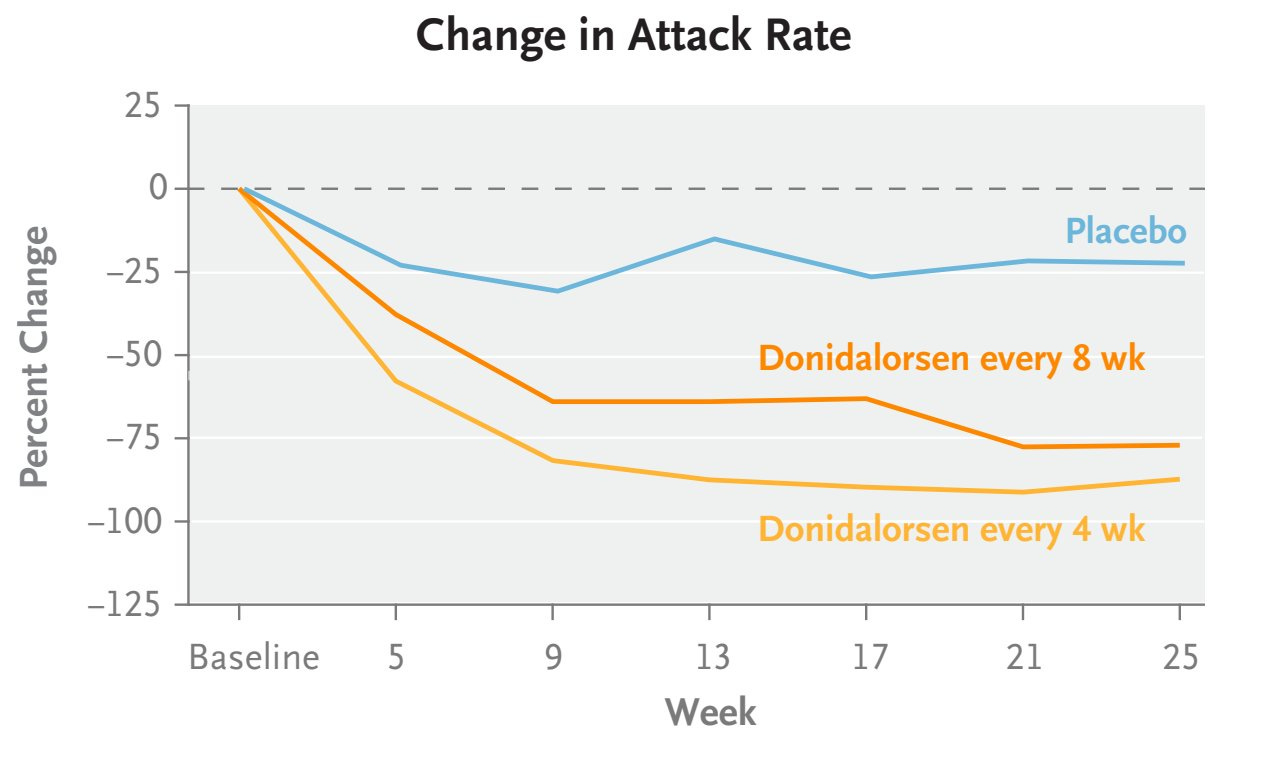
This fits into the network of treatments for hereditary angioedema, including on-demand treatments for acute attacks, and other options for long-term attack prevention.
Here's the major trial and the approval.
5. Tirzepatide works for genetic obesity
About 1% of obese adults (BMI > 30) – and 2% of obese children – have mutations in MC4R (melanocortin-4 receptor). This is the most common genetic cause of obesity. The MC4R gene is expressed in the appetite centre of the brain (in the hypothalamus), and its mutations blunt satiety, causing insatiable hunger.
Nothing’s approved to treat this form of obesity, but it’s usually resistant to lifestyle interventions.
This study digs into the data from the original Tirzepatide trial, looking at MC4R mutation carriers vs. noncarriers. And it’s good news – Tirzepatide (Mounjaro) is extremely effective for weight loss in these patients – just as effective in those with the mutation as those without.
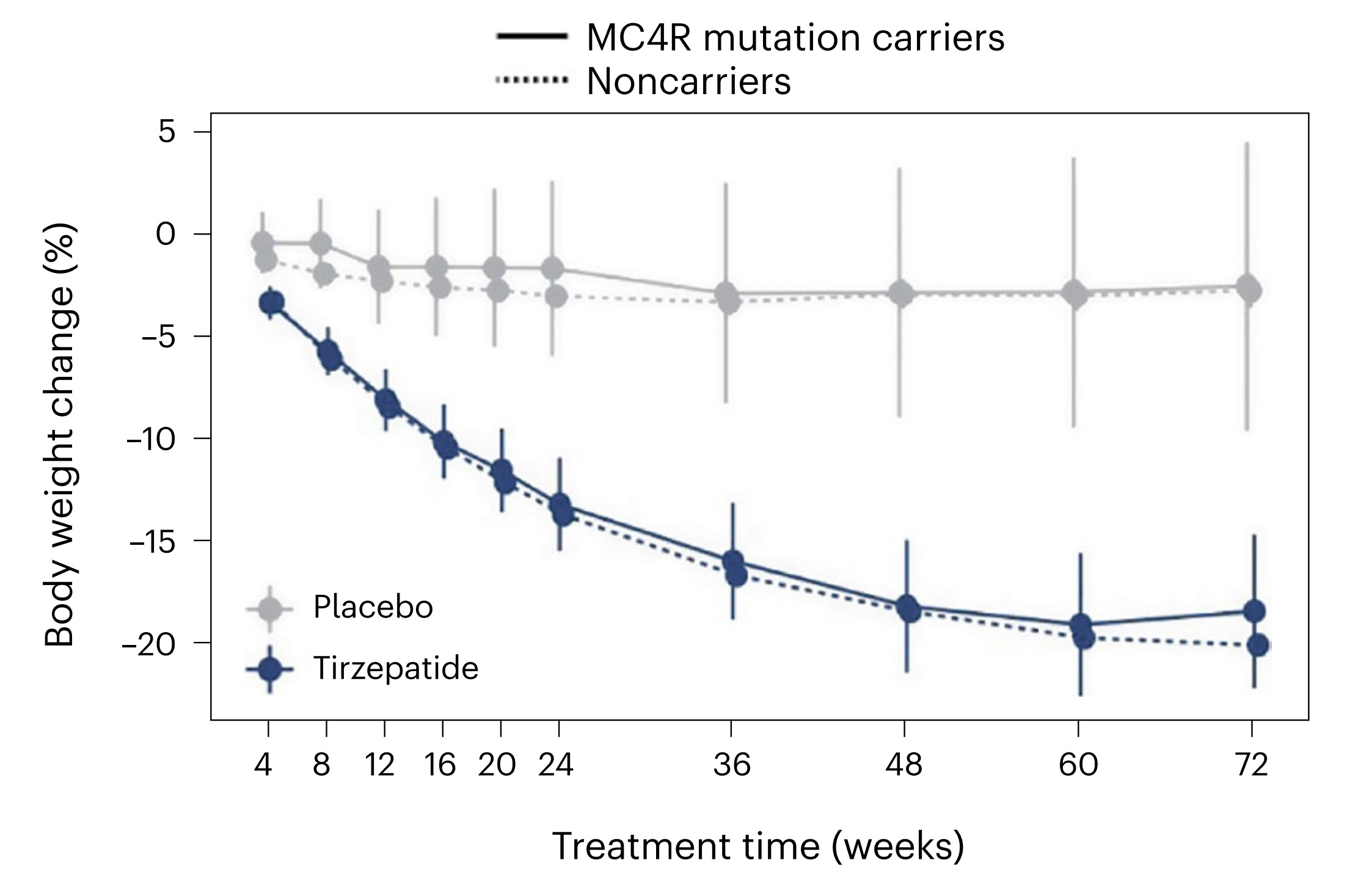
Here’s the study.
Thank you for reading! Let me know what you think!