Cancer care is continuously improving. The last major breakthrough, for which the Nobel Prize was awarded to James Allison, was immunotherapy. This involves firing up the immune system to attack cancer cells. Recently it was calculated that approximately 1 in 2 cancer patients in the US are eligible. However, only 1 in 5 of cancer patients would actually benefit. There are many reasons why immunotherapy might not work in an individual. One reason is that, to state it quite bluntly, most people with cancer are quite old.
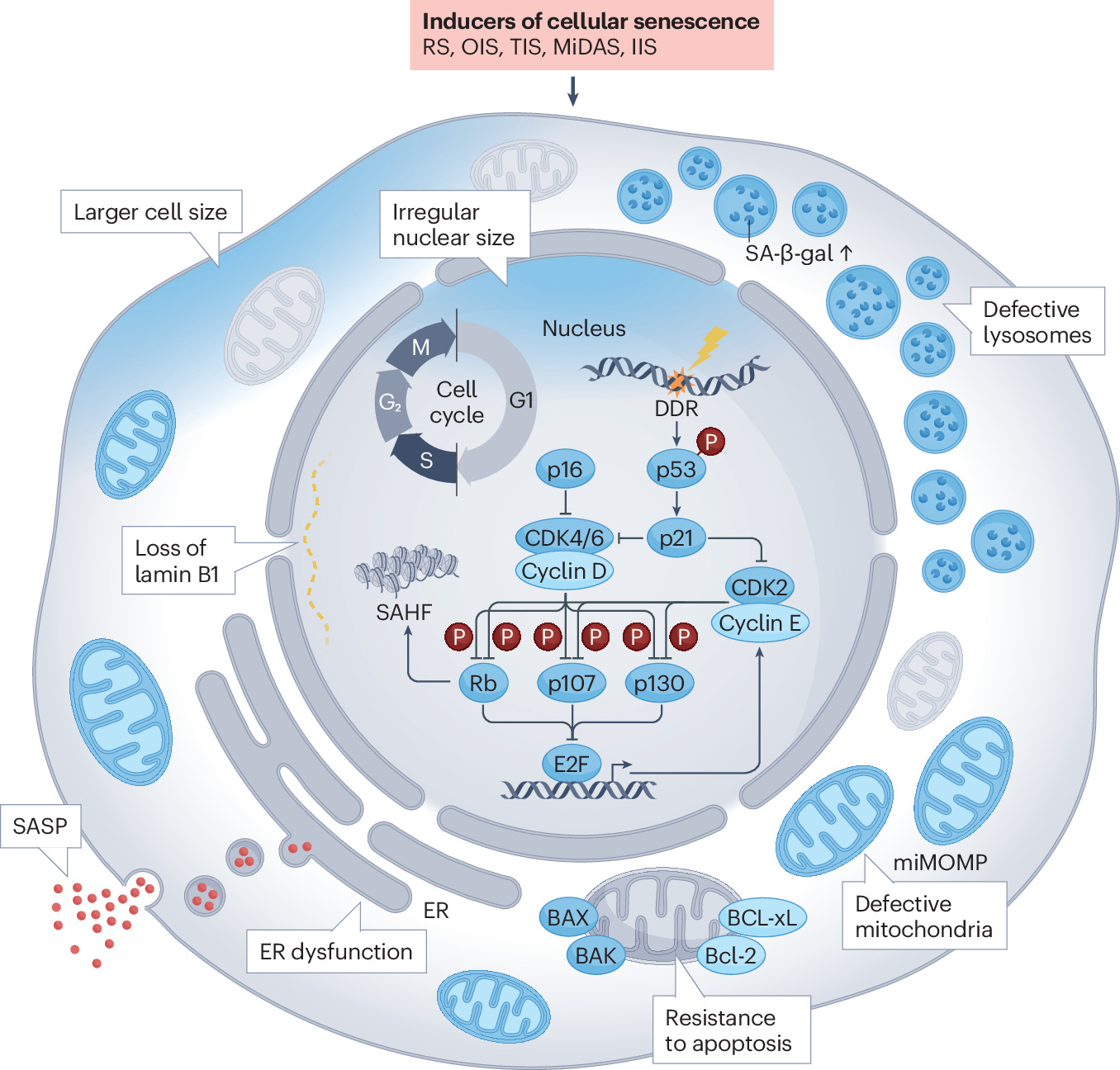
Putting it a bit more nuanced: many people with cancer have an aged immune system, and suffer from immunosenescence. This is a state in which the immune system cannot respond as well to infections or cancer and it is associated with chronic inflammation. Conversely, cancer induces senescence in immune cells - a mechanism it’s using to protect itself.
One way of potentially reversing immunosenescence is the use of so-called “senolytics”. These drugs eliminate aged cells, not only making room for younger and stronger cells, but also prevent consequences of having old cells hanging around. These senescent cells have a tendency of secreting a bunch of proteins (termed SASPs, for Senescence Associated Secreted Proteins) adversely affecting various bodily functions and the immune system.