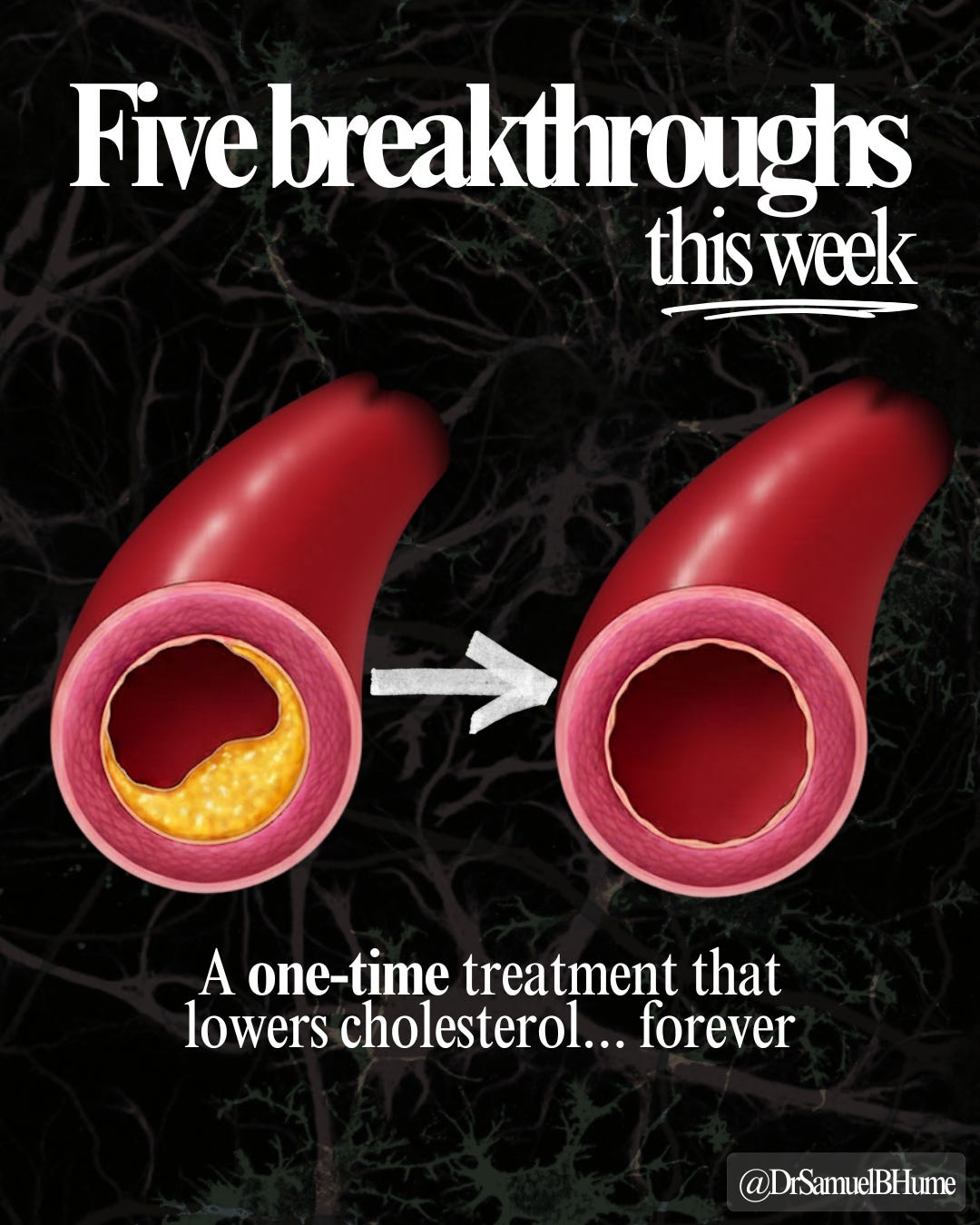
1. Potential for a one-and-done cholesterol therapy
Probably the best and most promising target for lowering LDL (‘bad’) cholesterol is PCSK9 — a protein that degrades the LDL receptor. Less PCSK9 means higher levels of the LDL receptor, so LDL gets taken up from the blood (where it can form plaque in arteries) and into the liver (where it can’t).
The approved PCSK9 therapies are antibodies (Evolocumab, Alirocumab) and an siRNA (Inclisiran) — all injections. There’s also an oral inhibitor that’s had recent positive phase 3 results.
This week we saw the first trial evidence that PCSK9 inhibition (with Evolocumab) not only reduces LDL cholesterol, but also reduces heart attack/stroke risk when used as primary prevention (it reduces the risk of a first heart attack/stroke, in people who are otherwise healthy).
There are also two emerging approaches for one-and-done therapy: one injection, and cholesterol is low for life.
The first: phase 1 human data from Verve therapeutics for a base editing strategy, which lowers LDL cholesterol by >50%.
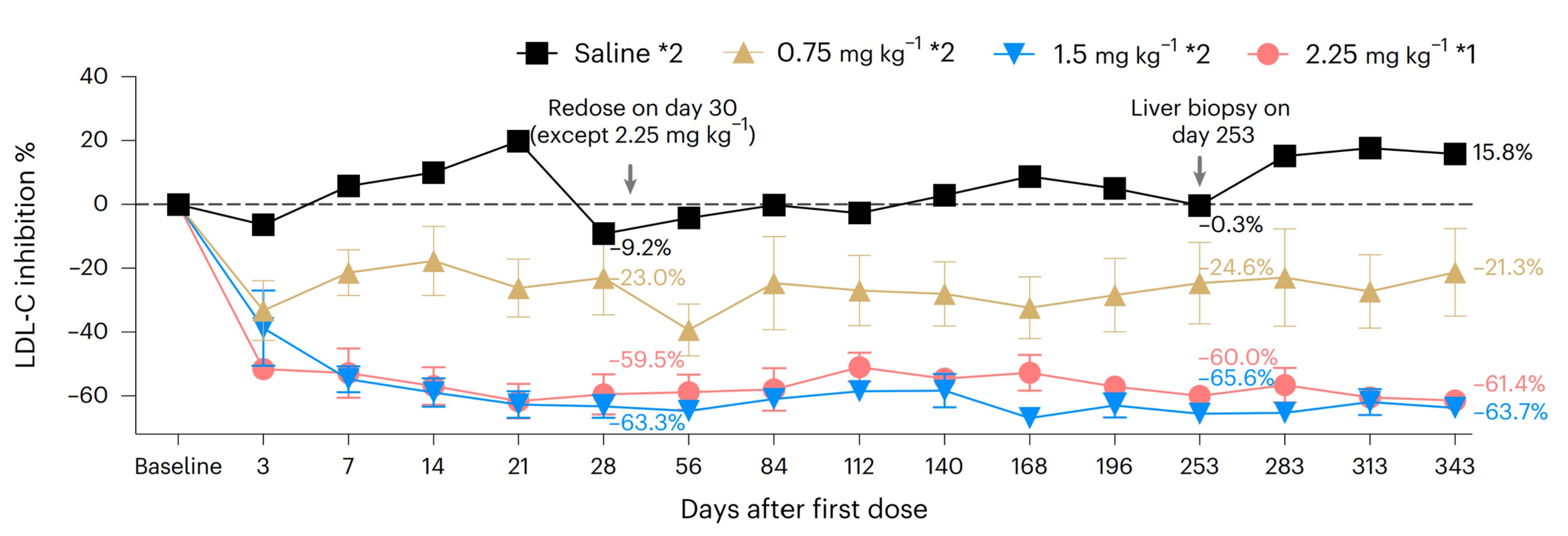
The second is from this week in Nature Biotechnology. This strategy introduces DNA methylation and histone modifications into the PCSK9 gene, to silence its expression — and lower cholesterol by 60%! The data come from macaques:
So, the PCSK9 pipeline is red hot, and it might not be long before we’re in a world with one-and-done cholesterol therapies.
2. New tools against antibiotic resistance
Antibiotic resistance is a problem that will cause the deaths of 1 million people this year, and 2 million per year by 2050. Strategies to target gram negative bacteria (like Klebsiella pneumoniae, which can cause pneumonia) are a particular unmet need.
This study, in Nature this week, finds a variant of Klebsiella that’s resistant to all of our current antibiotics, that’s become the dominant strain across the world.
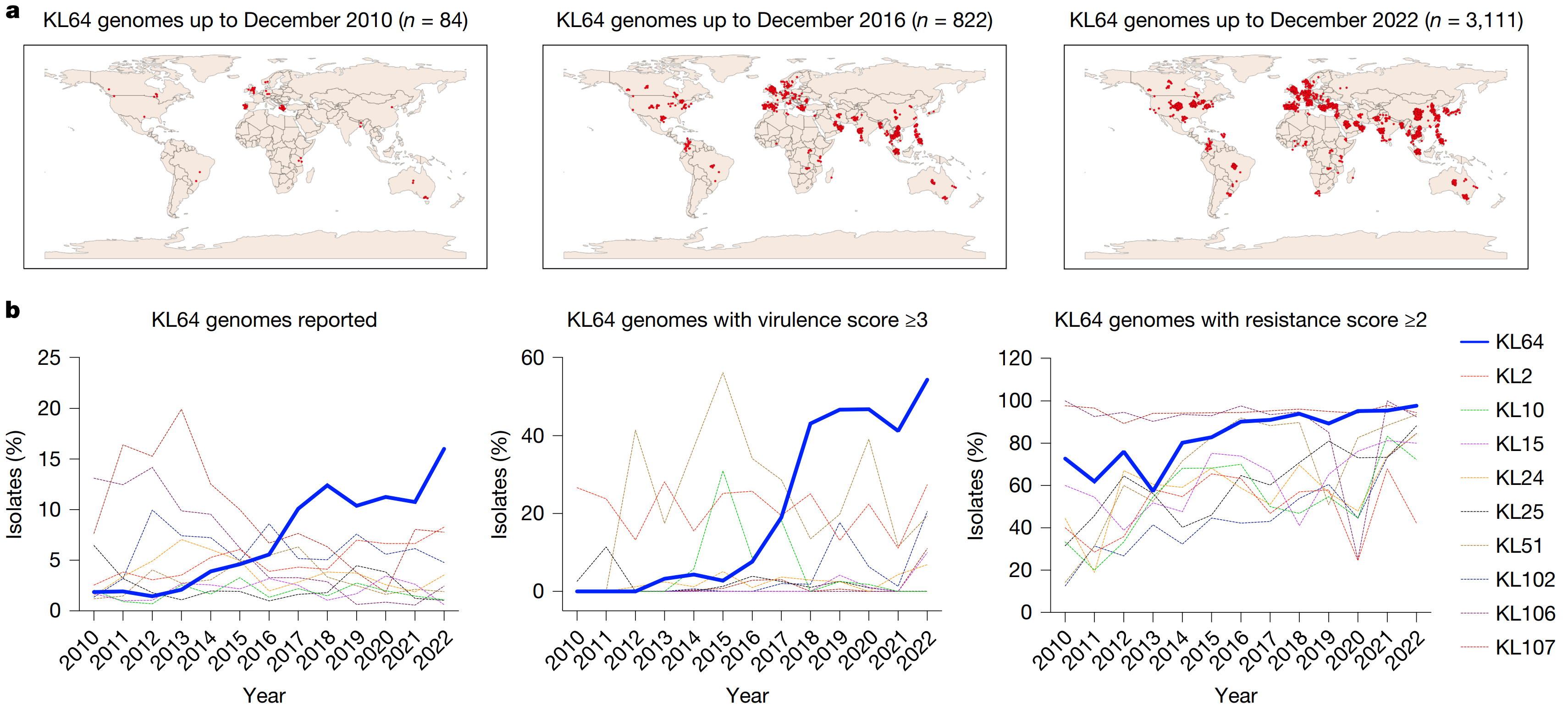
These charts don’t look great, to put it mildly. The strain’s spread fast, in most countries, with high virulence.
But the good news is there might be a way to tackle it. The authors designed monoclonal antibodies that bind a Klebsiella surface antigen, reversing a mechanism it uses to hide from the immune system. These antibodies were very effective — in animals — to stop sepsis or death caused by resistant Klebsiella strains.
Monoclonal antibodies like this are relatively well-established in infectious disease. For example, we use RSV mAbs to protect infants from bronchiolitis over the winter, and we can use Rabies mAbs if someone’s been bitten by a stray dog. They’re mainly useful as prophylaxis rather than treatment. So in the case of Klebsiella, the trigger for prophylaxis might be if colonisation’s been detected (but before symptoms) or to stem outbreaks on a hospital ward.
The data are from animal models so far: clinical studies are still needed.
3. Sotatercept in pulmonary arterial hypertension
Pulmonary arterial hypertension is a lung condition that involves progressive remodelling of the pulmonary vessels. The most common causes are unknown (idiopathic) and connective tissue disorders (like systemic sclerosis).

There are a series of approved drugs but (as you can see in the Kaplan-Meier below), the disease progresses fast regardless — it can lead to death, hospitalization, atrial septostomy, lung transplantation, or deterioration in exercise tolerance. These outcomes were put together as a composite — ‘clinical worsening’ — in this phase 3 trial, published this week in the New England Journal.
Sotatercept is a first-in-class activin-signalling inhibitor, which is already approved in the US (in March 2024), by the EU (in August 2024) and in the UK (in December 2024). But these are the first data that test the drug started within a year of diagnosis — and they’re impressive. The trial was stopped early for efficacy:
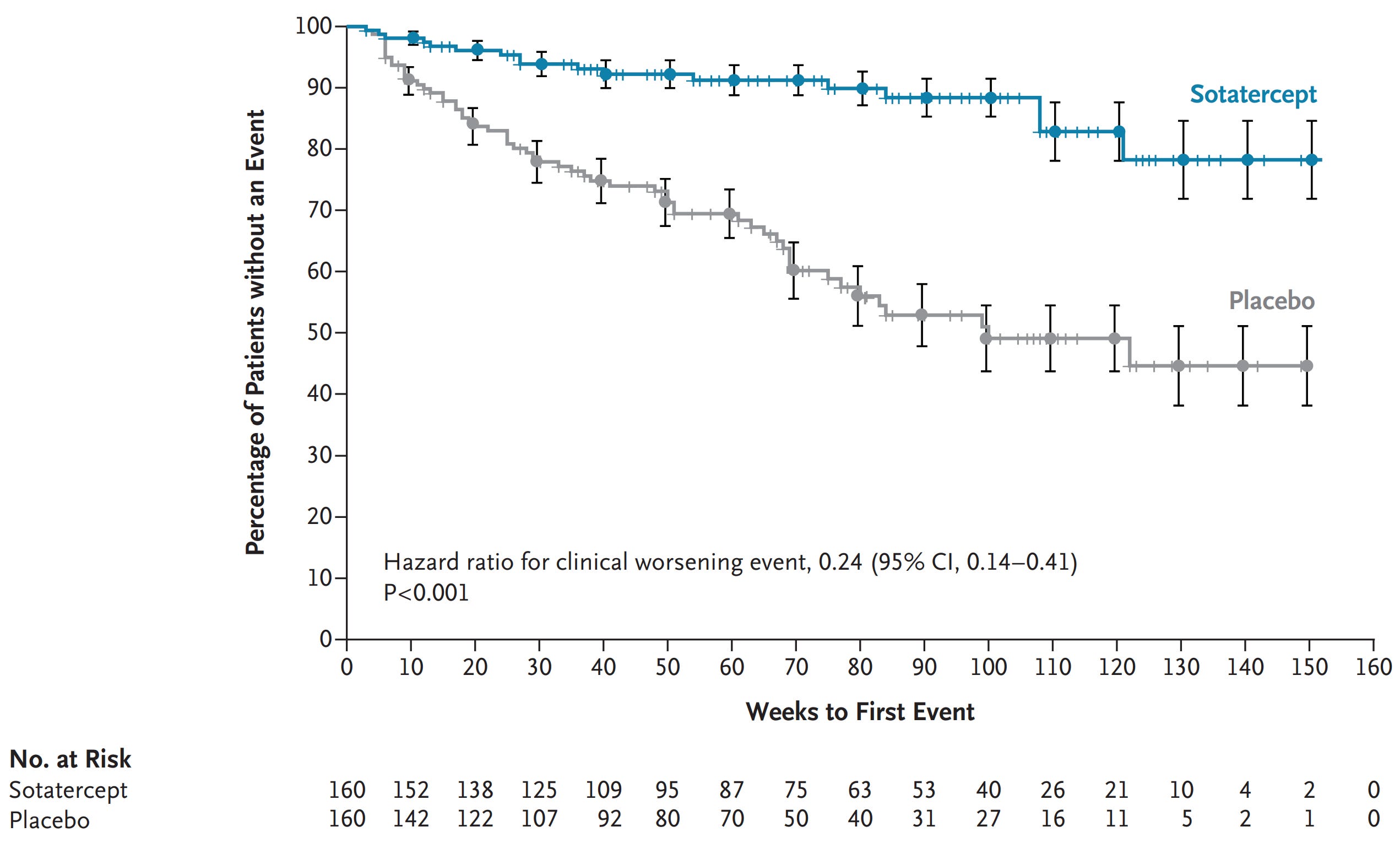
The main issue here is access: at $212k–$240k/year, it’s not cheap. And there’s also a risk of bleeding: nosebleeds were common.
4. New hope for pulmonary fibrosis
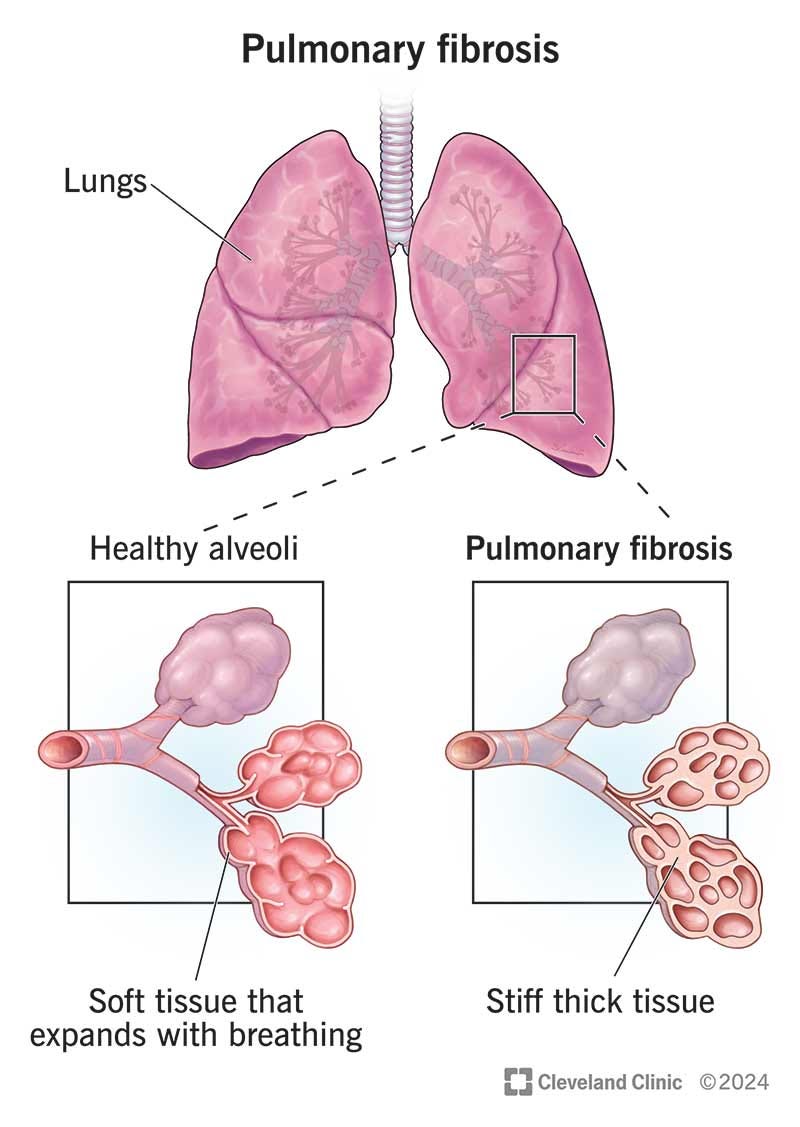
Idiopathic pulmonary fibrosis is a very very tough disease. It’s ‘idiopathic’, which means there’s no clear cause, but things that increase risk are older age, male sex, smoking, dust, air pollution, and acid reflux.
The best analogy for pulmonary fibrosis (that I’ve heard) is this: normal lung is a bit like a damp sponge. If you leave this out for a few days, it’ll get dry and stiff — this is fibrosis.