



1. The third approved medication for idiopathic pulmonary fibrosis
There are some disease areas I follow more closely — idiopathic pulmonary fibrosis is definitely one of them. This is because it affects ~3 million people worldwide, its median survival is ~3–5 years, and there’s unmet need: the current drugs slow down but do not reverse the progressive decline in lung function.
It’s ‘idiopathic’, which means there’s no clear cause, but things that increase risk are older age, male sex, smoking, air pollution, and acid reflux. The best analogy for pulmonary fibrosis (that I’ve heard) is this: normal lung is a bit like a damp sponge. If you leave this out for a few days, it’ll get dry and stiff — this is fibrosis.

Nerandomilast just became the third FDA-approved drug (alongside pirfenidone and nintedanib) for idiopathic pulmonary fibrosis based on the trials that were published this year. Nerandomilast is an oral PDE4B inhibitor — it’s anti-inflammatory and antifibrotic.
When used alongside the two approved antifibrotics, on its own, or with either antifibrotic independently, nerandomilast slowed the decline in lung function (measured by FVC: forced vital capacity — the total amount of air you can forcibly exhale from lungs after a deep breath). The main side-effect is diarrhoea.
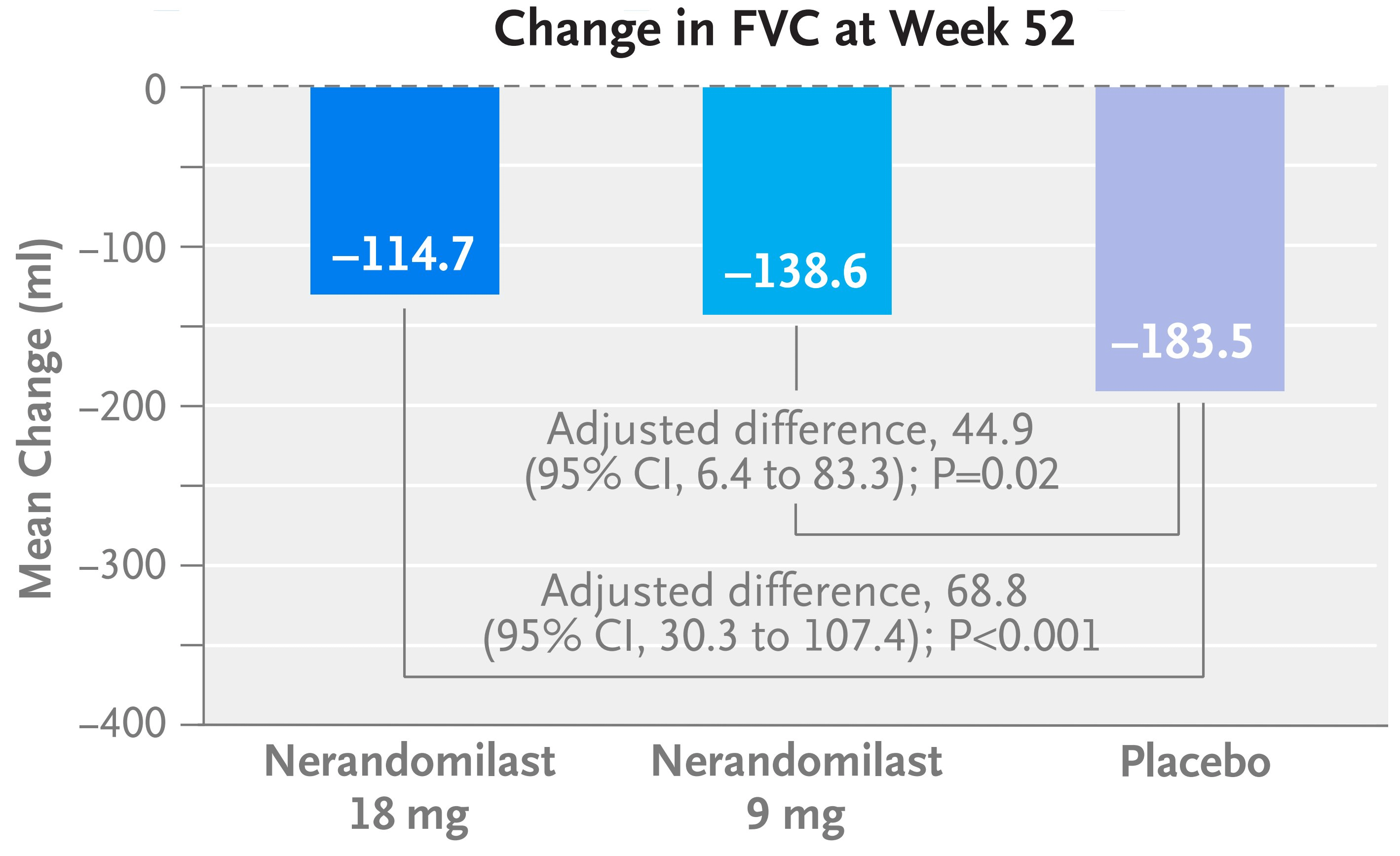
So this is progress — for sure — but you can see from the chart that lung function still gets worse (even with all three medications). For a future with medications that reverse pulmonary fibrosis, possibly the most promising therapy going through trials is Taladegib.
2. PD1 blockade FDA-approved to prevent recurrence of skin cancer
Cemiplimab is a monoclonal antibody that inhibits PD1 — it helps the immune system to attack cancer cells. Cemiplimab has the same mode-of-action as Pembrolizumab, which has been the highest-selling drug in each of the the last few years.
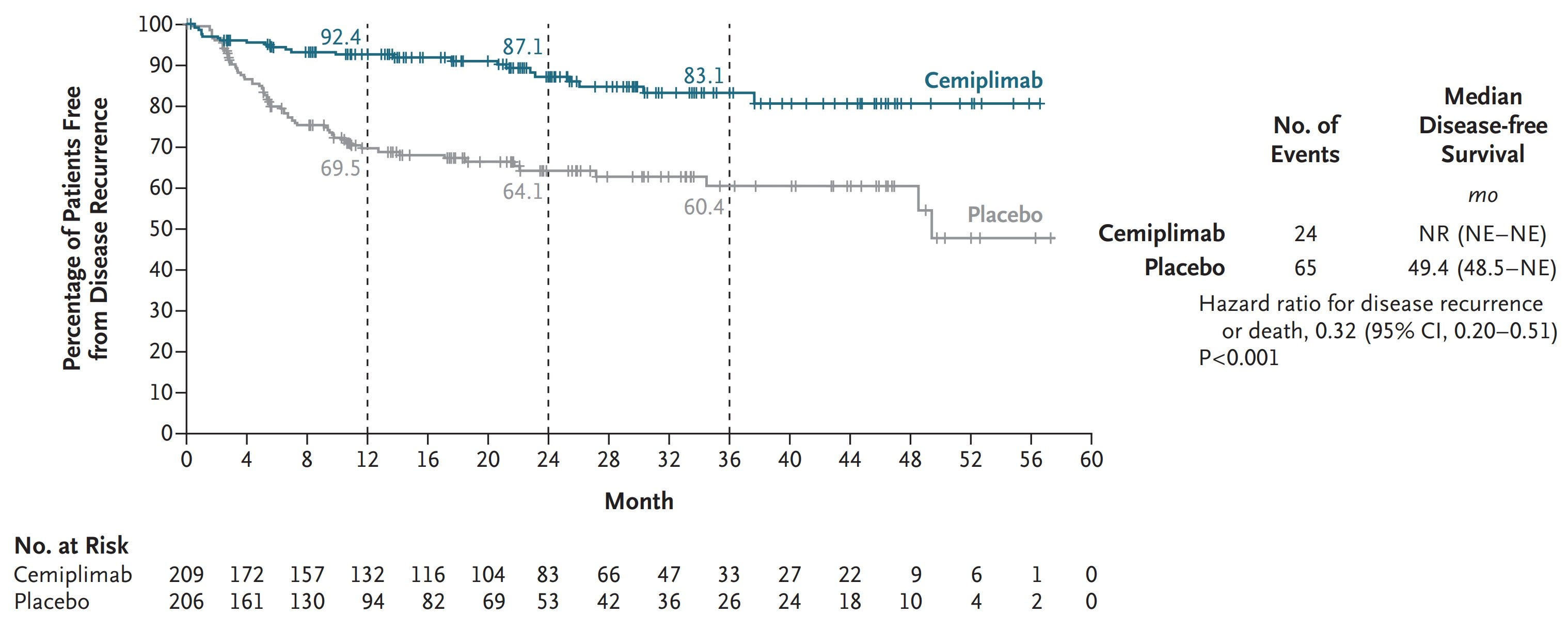
Cemiplimab already has an approval for metastatic squamous cell skin cancer, but this approval adds high-risk local squamous cell skin cancer — it’s intended to prevent recurrence, so it’s used after surgery and radiotherapy.
The approval was based on these impressive phase 3 data:
3. Boosting DNA repair slows aging in mice
The mouse has a maximum lifespan of about 4 years. The naked mole rat — by contrast — is the longest-living rodent, with a max lifespan of more than 37 years.
Trying to harness this remarkable longevity (and to figure out what’s behind it), researchers took a DNA repair gene (called cGAS) from the the naked mole rat and put it in mice.
This boosted DNA repair, lowered inflammation, reduced senescence, and slowed aging — with less frailty and fewer grey hairs!
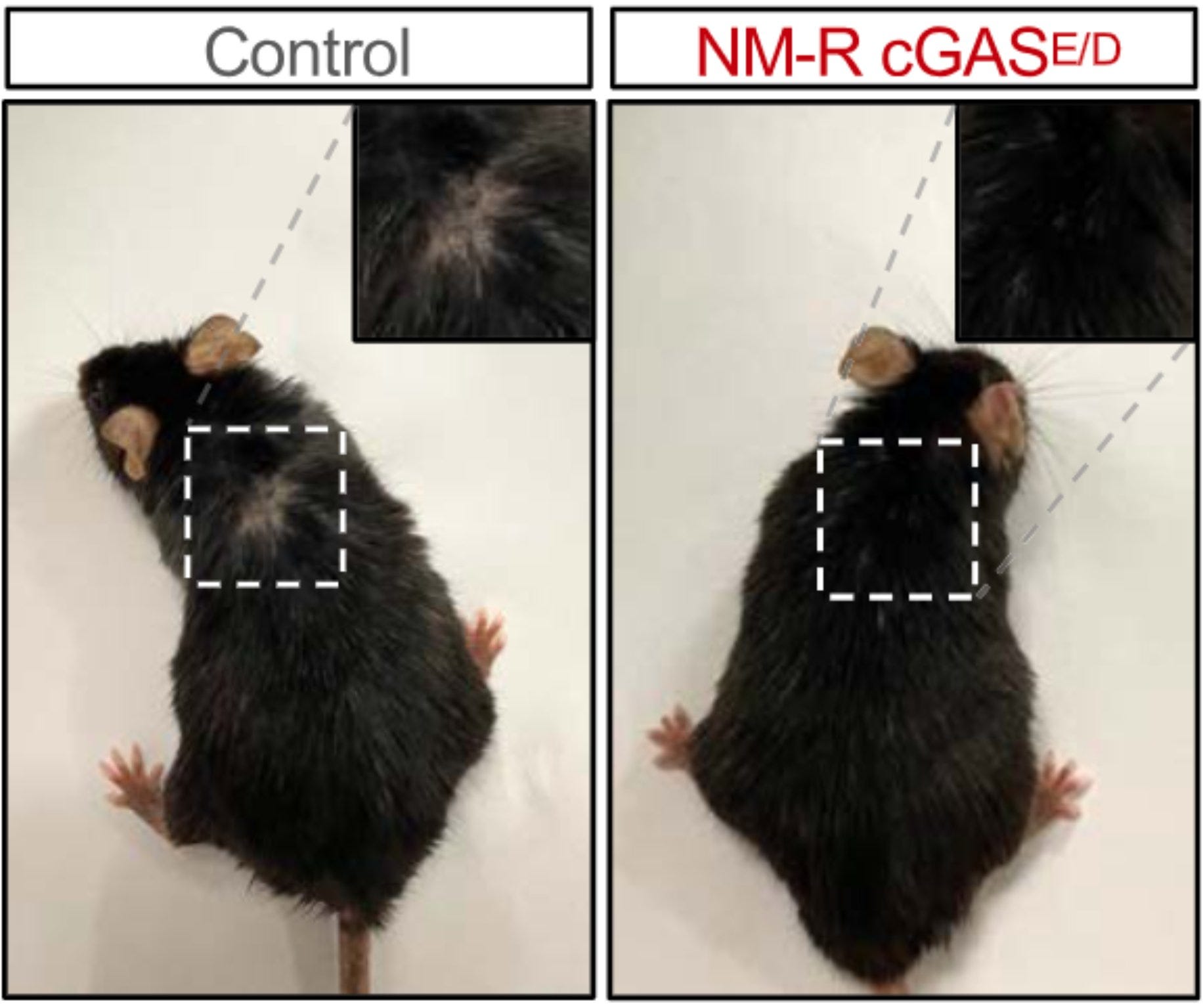
The key seems to be 4 amino acid changes in the cGAS from the naked mole rat, that convert it from a suppressor of DNA repair (as it is in in mice and humans) to a promoter of DNA repair.
Lifespan in mice wasn’t tested, but it was in Drosophila fruit flies — they gained about 10% of average lifespan — the maximum lifespan increased too (by about 13%).
This raises the tantalising possibility that boosting DNA repair may slow aging. Indeed, other DNA repair-boosting interventions have been shown to boost lifespan in mice: SIRT6 overexpression and low-dose chloroquine (both of which are thought to stimulate repair of double stranded DNA breaks). These interventions will need to be reproduced by the Interventions Testing Program — they’re systematically testing lifespan interventions in mice, to near-clinical trial standard: across multiple sites, and in a blinded way.
4. A positive trial for an obstructive sleep apnoea drug
Obstructive sleep apnoea is surprisingly common: it affects about 7% of women and 15% of men. It causes periods of apnoea (pauses in breathing), usually at night because the muscle tone in the upper airway drops in sleep, causing the airway to narrow. The consequences are disrupted sleep, daytime sleepiness, and high blood pressure.
Obesity is one of the causes of obstructive sleep apnoea, and last year the GLP1/GIP receptor agonist, Tirzepatide, became the first FDA-approved medication. Widespread usage of GLP1s will take a chunk out of projected cases — but prevalence is expected to rise anyway, so other options are needed too.
