


1. An autonomous surgical robot
Robotic surgery is well-established for a range of operations – for example, in urology and in gynaecology – but the surgeon is controlling the robot! Small parts of surgery have been done without human support before – but only for limited jobs, like suturing and needle steering.
This robot, published in Science Robotics this week, does a series of surgical steps - all without human support.
Using gallbladders taken from pigs (ex vivo), it did 17 surgical steps – one after the other – in gallbladder removal: from grabbing the gallbladder to detaching it.
Gallbladder removal – cholecystectomy – is a common surgical procedure; it’s performed about 700,000 times per year in the US. Usually it’s done to treat gallstones, which can cause excruciating abdominal pain after eating.
Here’s the setup:
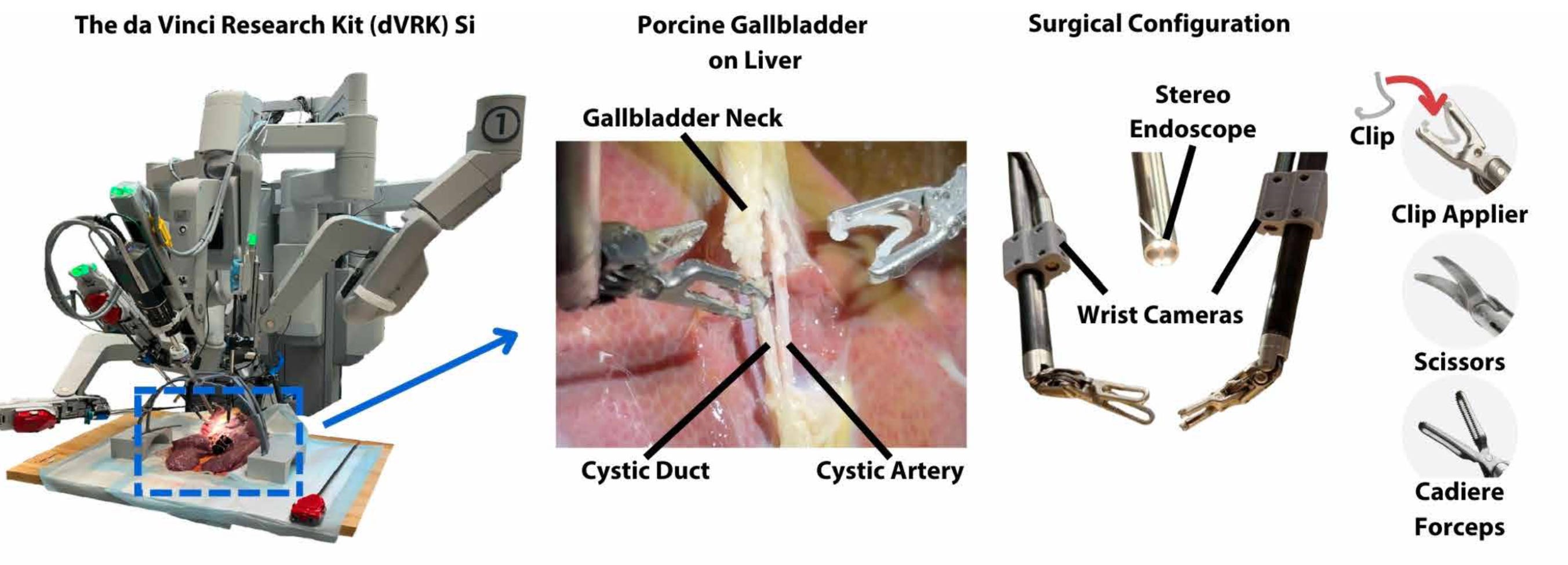
And here it is in action:
It had 100% success at removing 8 different ex vivo gallbladders.
It was trained by watching humans do the same surgery, across 16,000 clips. Every video was paired with instructions telling the robot what step it should do next (‘clip left tube’, ‘move right arm left’). Extra correction demonstrations were added, too, so it could learn how to fix mistakes.
What’s particularly cool is this: surgeons were faster than the robot, but the robot made cuts that were shorter, with smoother trajectory:
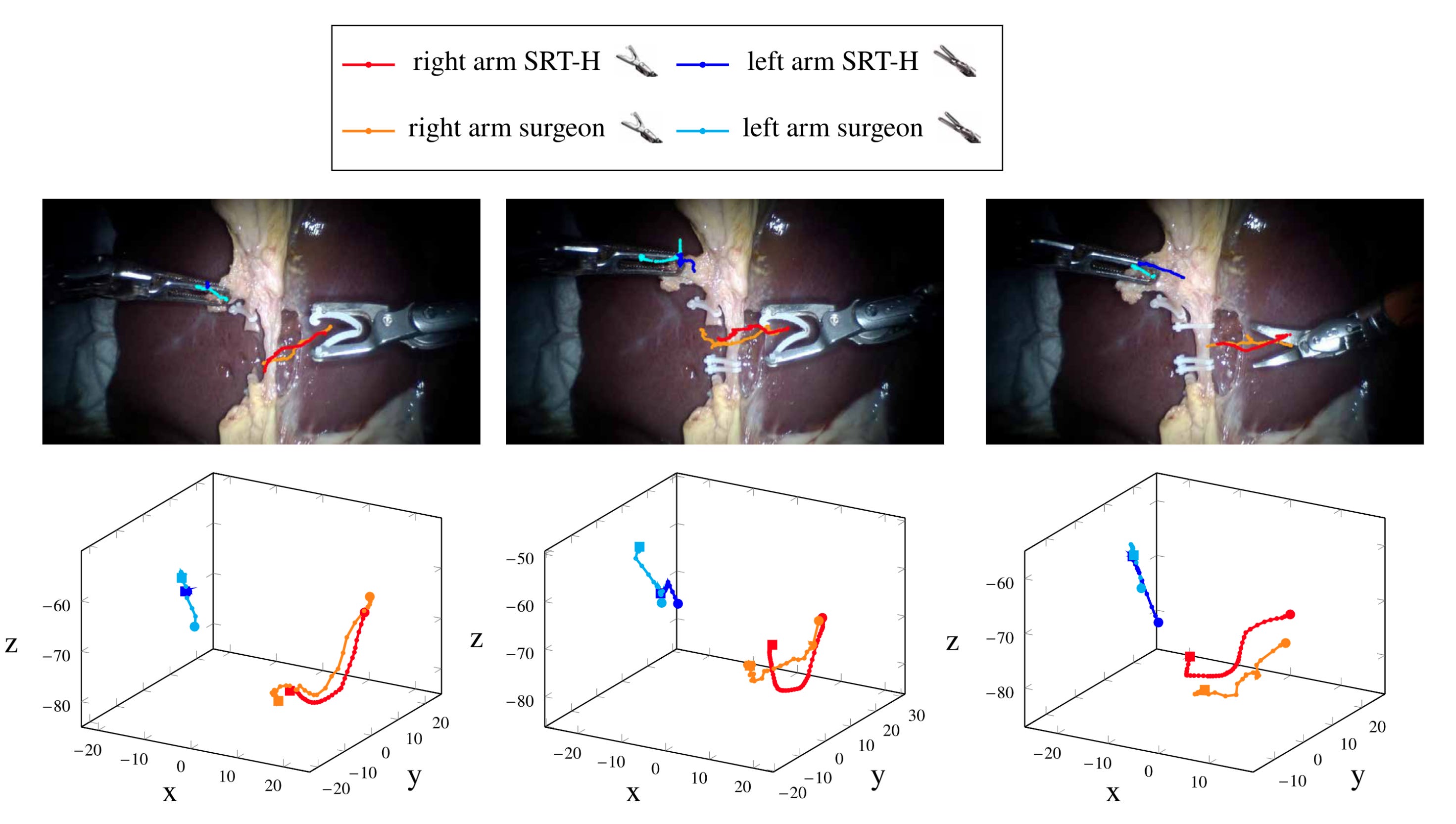
This is the first time an autonomous robot’s done a full surgical phase – but clearly this is still some way fully autonomous surgery in humans.
The key for the future of this tech is the lack of access to surgery globally, which leads to 17 million deaths each year. If the robot can do gallbladder removal, why not cancer surgery? Or emergency surgery? The potential is to democratise access to surgery around the world.
It was published this week in Science Robotics.
2. A model to help identify mutations in lung cancer
The most common subtype of lung cancer – lung adenocarcinoma – is driven by mutations in the epidermal growth factor receptor (EGFR) in about 15-50% of cases.
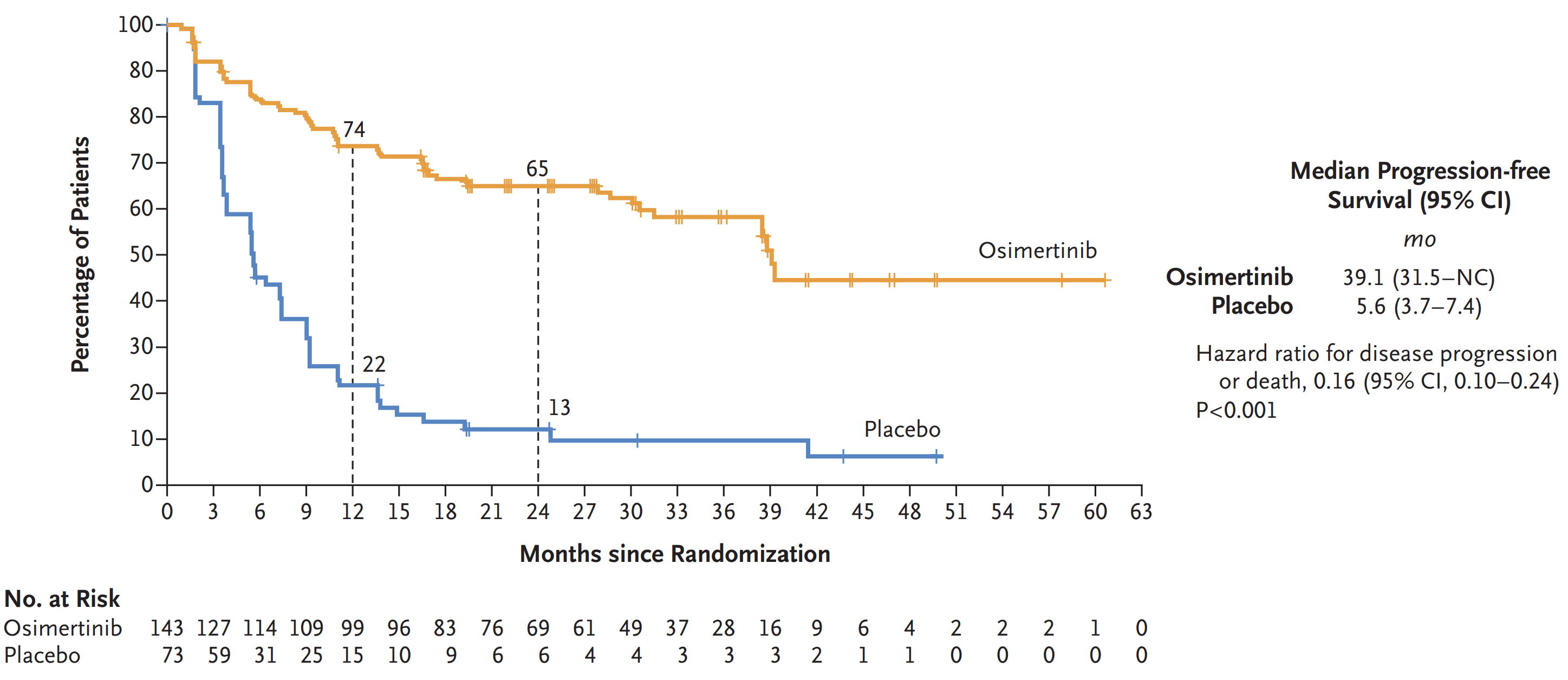
Testing for this mutation is absolutely essential, because it can be targeted with a tyrosine kinase inhibitor, like Osimertinib, which dramatically improves outcomes:
Despite this, an unbelievable (but true) statistic is that about 25% of lung cancer patients don’t have EGFR mutation testing – potentially exposing them to chemotherapy, which is much less effective.
