


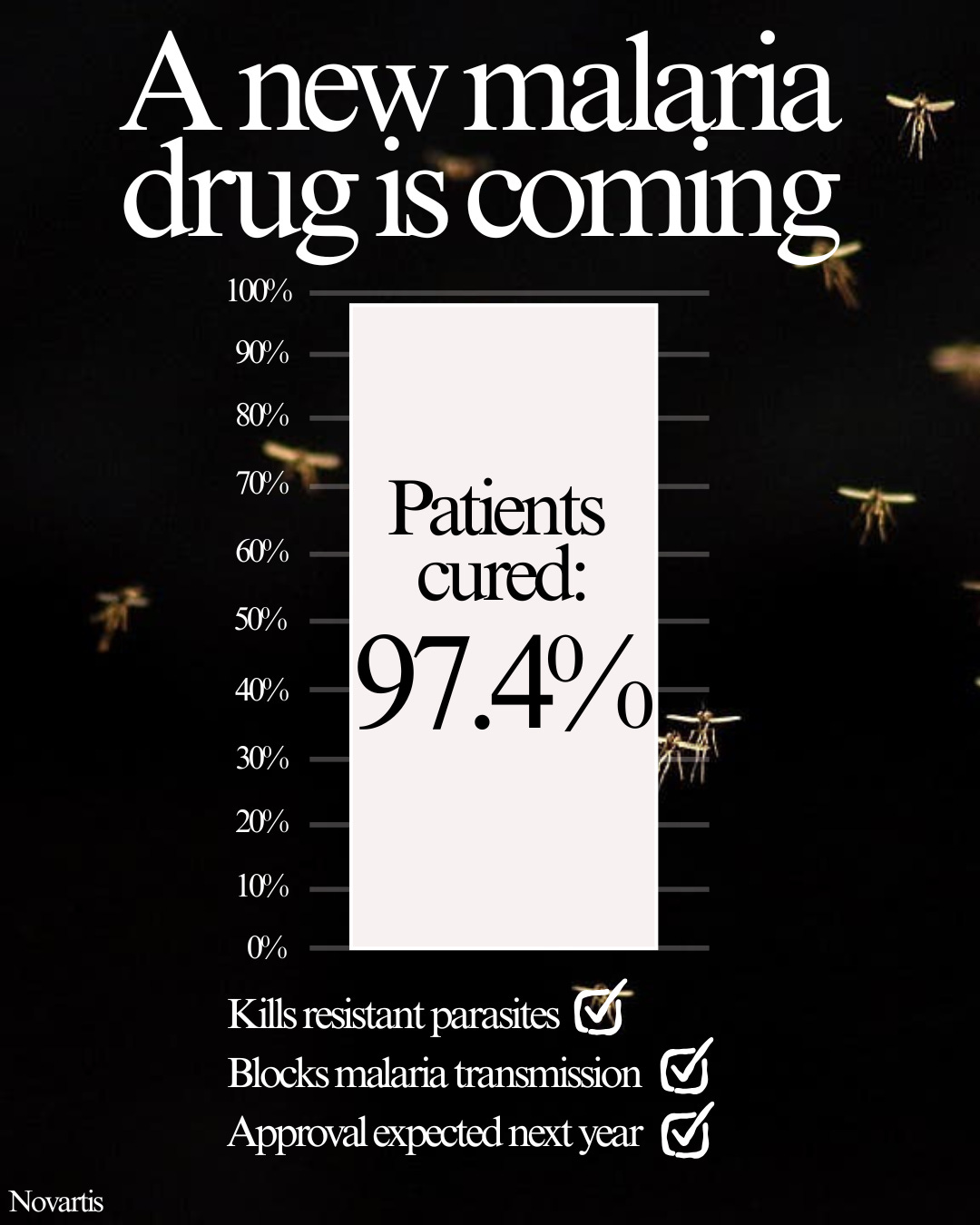
1. A new malaria drug cures 97.4% of patients
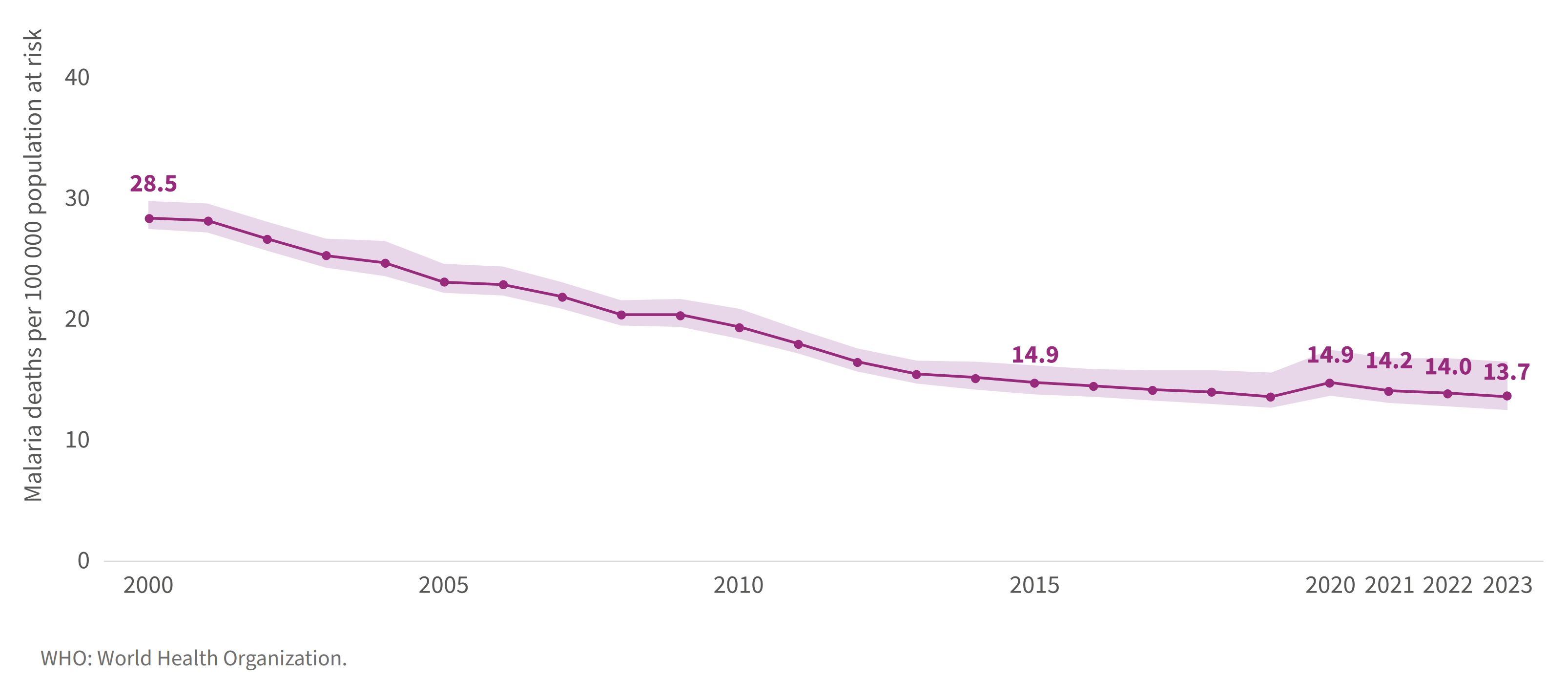
Malaria still kills 600,000 people per year — most of whom are children in sub Saharan Africa. A major issue is resistance to our current malaria drugs, artemisinins.
Aiming to solve this, Novartis did a screen of 2.3 million potential anti-malarials. Their top hit was Ganaplacide, a drug from an entirely new class (it seems to work by forcing the malaria parasite to produce misfolded and dysfunctional proteins). It has a nice simple structure:

Ganaplacide was combined with lumefantrine (an existing anti-malarial) into ‘GanLum’. Because GanLum has a new mode-of-action, it can kill resistant strains of the malaria parasite, and because it targets the sexual stage of the parasite’s life cycle, it probably blocks transmission, too.
In a phase 3 trial of ~1,700 patients across 12 African countries, GanLum cured 97.4% of patients – more than the current best treatment:
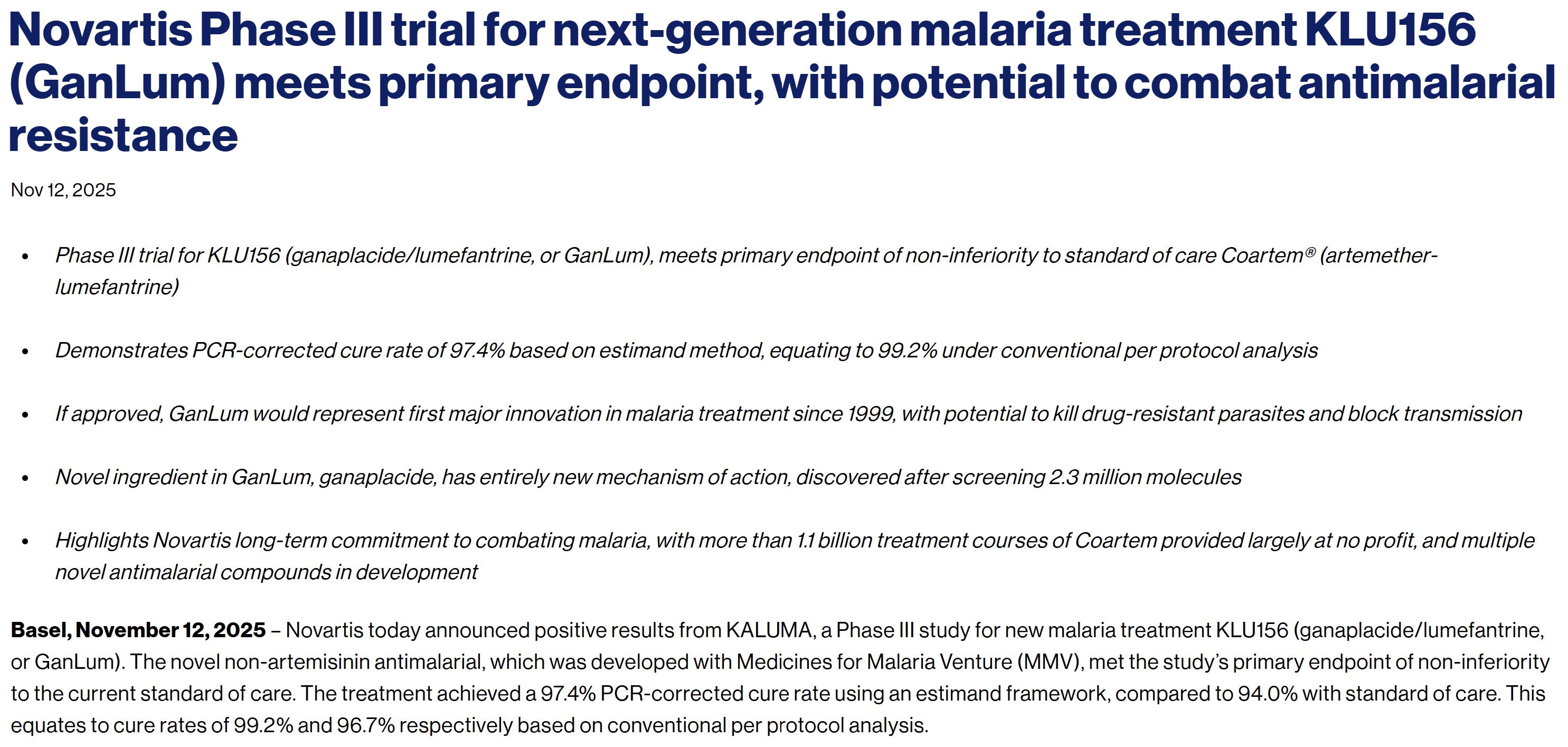
There are plans to introduce GanLum with non-profit pricing in endemic countries, with approval expected next year!
This adds to a series of malaria breakthroughs from the last year: vaccines, transmission-blocking innovations, better surveillance — and new and improved drugs. Step by step, we’re slowly moving towards malaria eradication.
2. A microrobot for precise medicine delivery
Lots of our current medicines — clot-busters in stroke, chemotherapies, antibiotics — are delivered systemically, right into the blood stream. This means they get to their target, but they get everywhere else, too, causing off-target effects: bleeding with clot-busters, immune-depletion with chemotherapies, and diarrhoea with antibiotics. What if we could give therapies precisely where they’re needed?
This paper, from this week’s Science, aims to do just that. It’s a microrobot, guided to where it’s needed by an external magnetic field:
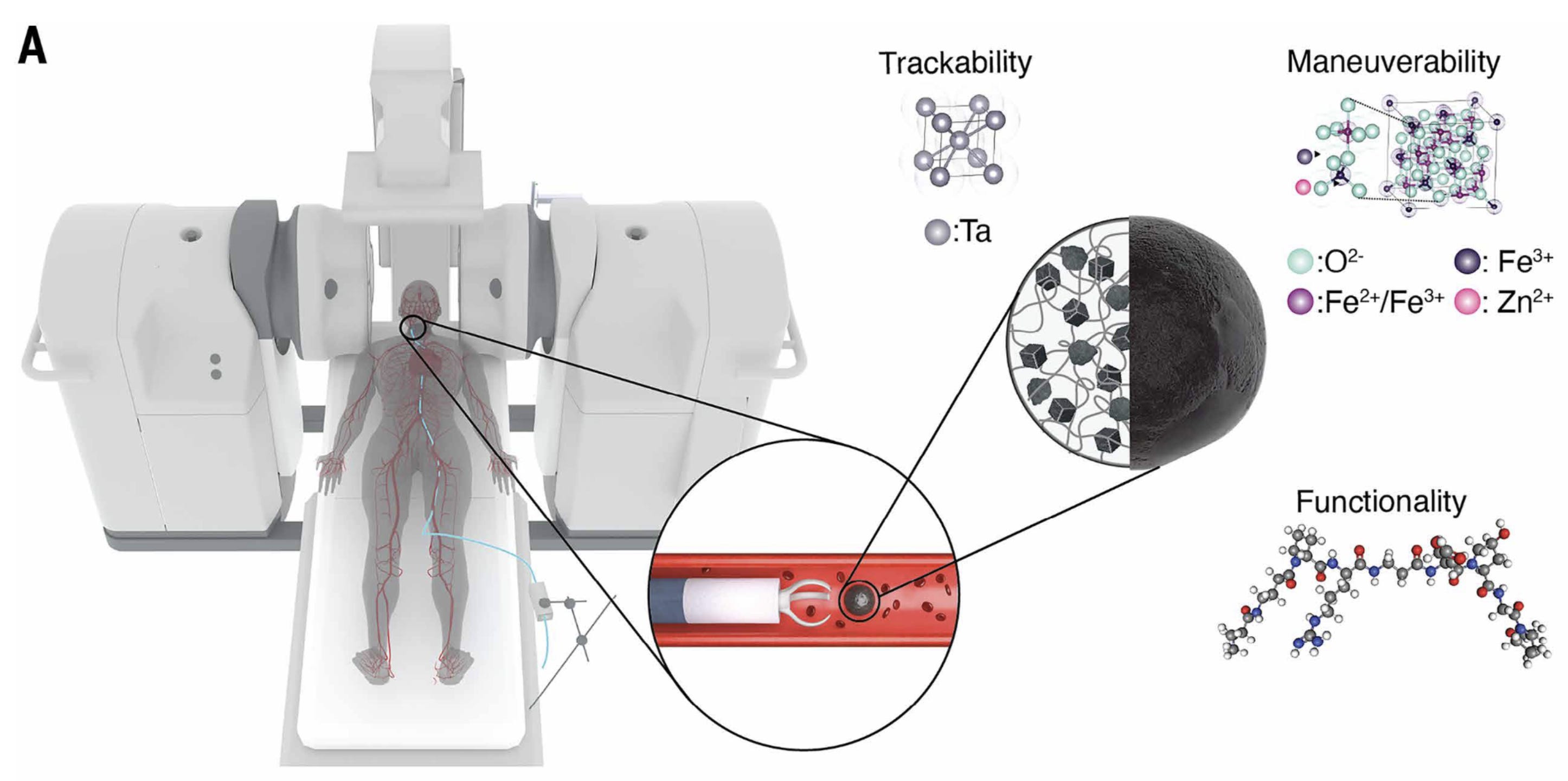
In this example, the robot was loaded with clot-busing medicine (thrombolytic) in a stroke model, and guided through the cerebral arteries by the magnet. It finds its way to the clot, breaks it up, and then dissolves itself!
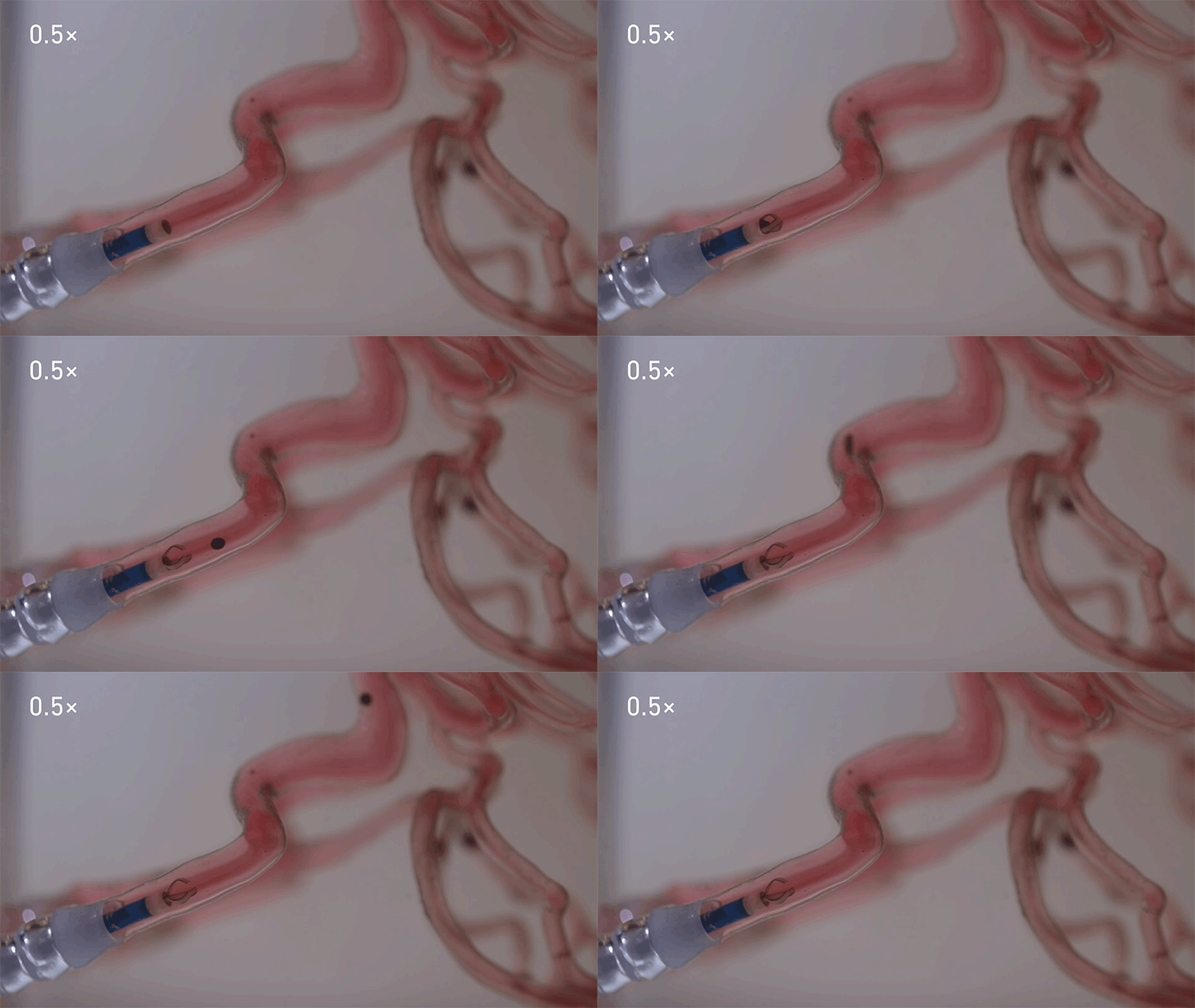
This has been tested so far in models, pigs, and sheep — it’s a very elegant (though resource-intensive) approach that could be used in the future for precise medicine delivery.
3. The first medicine that prevents pancreatitis
Pancreatitis is very severe inflammation of the pancreas, which progresses to organ failure in about 20% of patients, requiring support in intensive care. About 10% of pancreatitis is caused by high triglyceride levels.
Patients with triglyceride levels above 500 mg/dL have ‘severe hypertriglyceridemia’ — this affects about 1% of people. We do have a few triglyceride-lowering therapies (like high-dose omega 3s), all of which modestly lower triglyceride levels, and none of which cut the risk of pancreatitis.
This study tests Olezarsen, an antisense oligonucleotide targeting APOC3: less APOC3 means increased breakdown of triglycerides. It’s based on the genetic evidence that people carrying loss-of-function APOC3 variants have low triglyceride levels.
Just shown for the first time, Olazersen reduces triglycerides levels by 70% — and cuts pancreatitis risk by 85% — in people with severe hypertriglyceridemia:
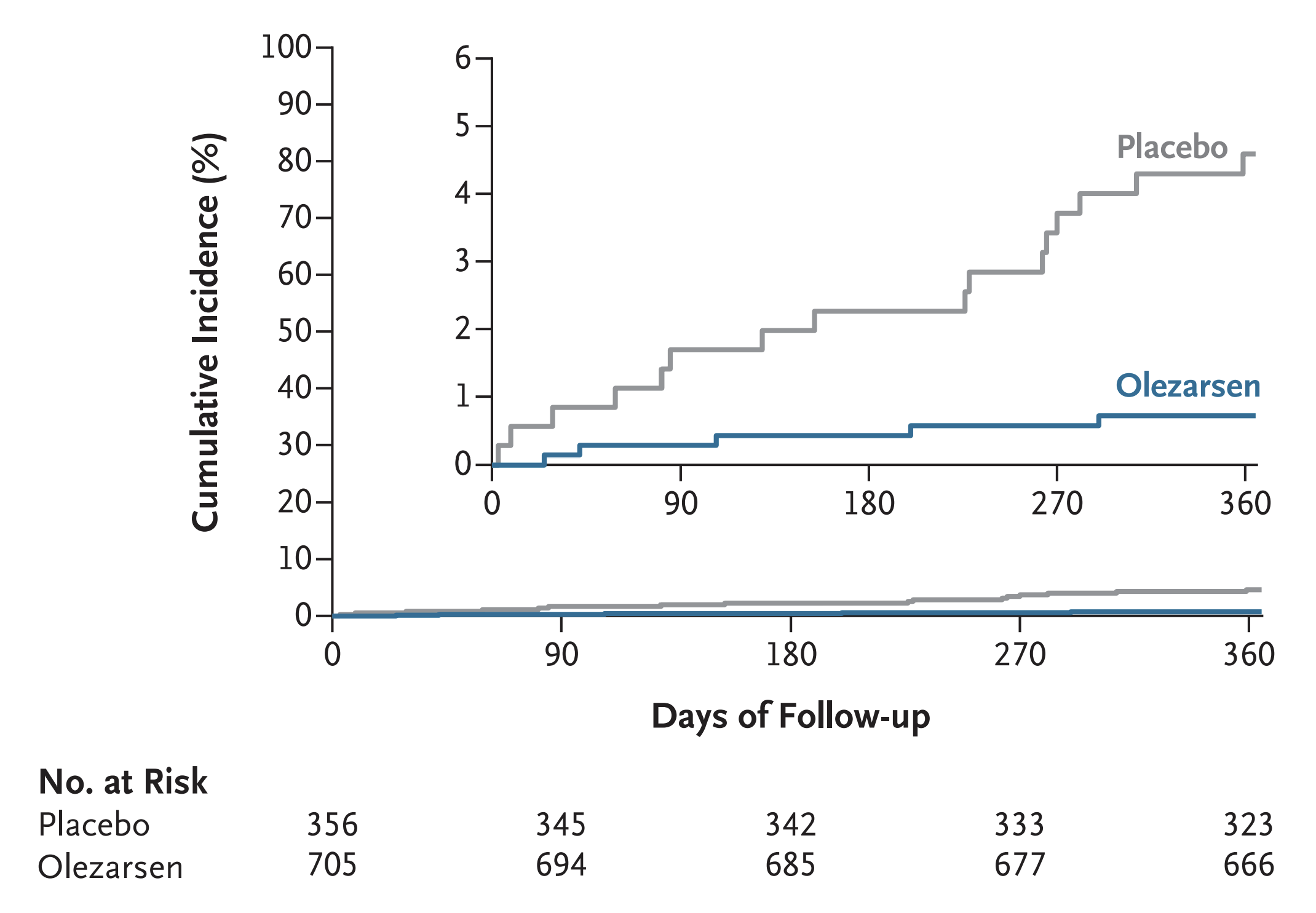
This will be a huge medicine, that addresses a serious unmet need. The population affected by severe hypertriglyceridemia is about 80,000,000. And it’s being tested for prevention of cardiovascular disease, too, in the even broader population with ‘moderate hypertriglyceridemia’.
4. Coffee might help in atrial fibrillation
Coffee is one of life’s simple pleasures. But it can cause people to have palpitations and feel anxious, so what about people with atrial fibrillation (fast, irregular heart rate) — should they stop drinking coffee?
