Progress in medicine is fast. I track it here, with the 5 most important advances from each week — let’s go!
Before I start: we built a new systematic review platform that helps you search, screen, synthesize studies, generate hypotheses, analyze statistics, run meta-analyses, and draft the paper with colleagues — even for long lists of studies or messy data. It’s fast, too: <4 hours on average for the end-to-end process.
We’re improving it every day. Try it for free, or book a demo, here: scholara.ai.
1. A muscle-sparing weight loss medicine
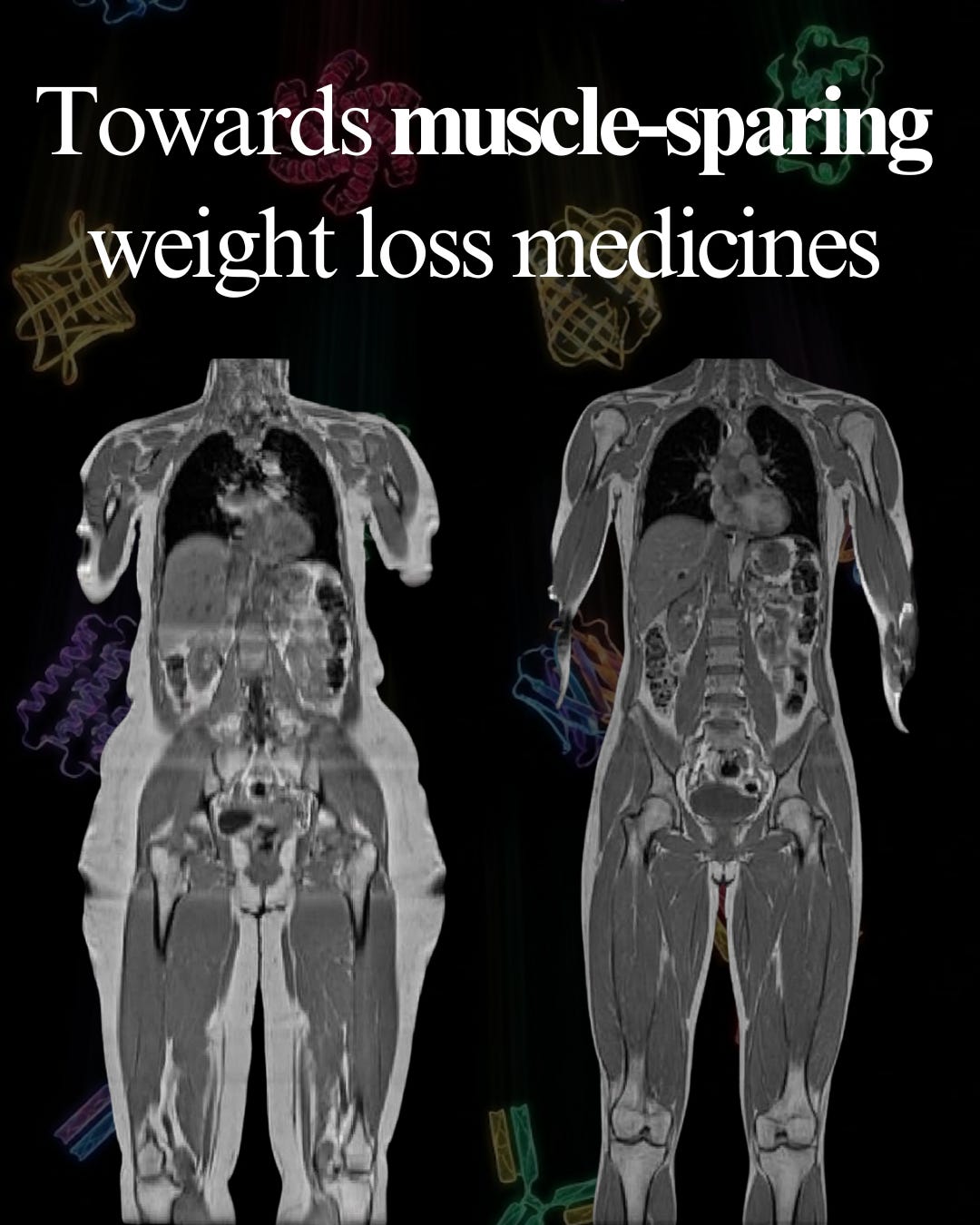
Despite their meteoric rise, there are still concerns over obesity drugs (GLP1s) — one is that they reduce muscle mass.
This study, a phase 2 trial this week in Nature Medicine, combines the GLP1, Semaglutide, with Bimagrumab, a muscle-boosting antibody initially tested in muscle-wasting conditions.
The combination of Semaglutide + Bimagrumab led to more weight loss, more fat loss, bigger reductions in inflammation and less lean mass loss:
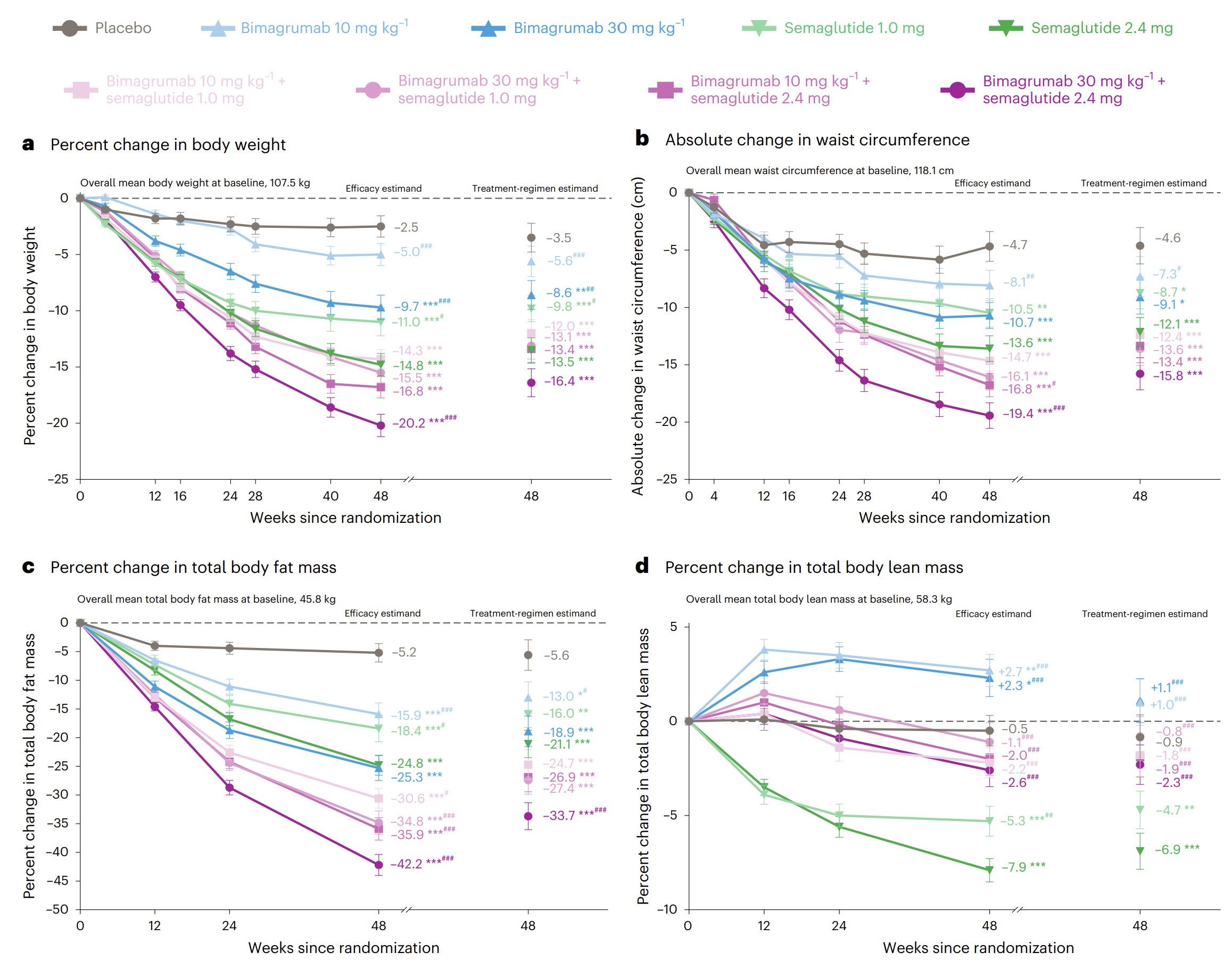
This all comes at a cost, of course: side effects enriched in the combo group were muscle cramps, acne, and nausea/vomiting/diarrhoea.
I think this is particularly interesting because it gives a glimpse into the future of GLP1s: as a backbone therapy. For example, add bimagrumab to preserve muscle; add other peptides (GIP/GCG/amylin) for more weight loss, add a PCSK9 mAb for even lower cholesterol, add to anti-inflammatories to increase their effect (e.g. in Crohn’s disease, psoriatic arthritis), and add to liver-directed therapies (e.g. FGF21 agonists) to increase their effect. Every one these is being pursued, including by Eli Lilly, Innovent Biologics, and Novo Nordisk.
2. Approval of a multiple myeloma regimen with unprecedented efficacy
Multiple myeloma is a malignancy of the antibody-producing plasma cells. The acronym for its signs and symptoms, that you learn in med school, is ‘CRAB’. It causes high Calcium and Bone lesions, because the malignant cells infiltrate bone, and Renal dysfunction and Anemia, because the malignant cells produce abnormal antibodies that damage the kidneys and suppress normal haematopoiesis.
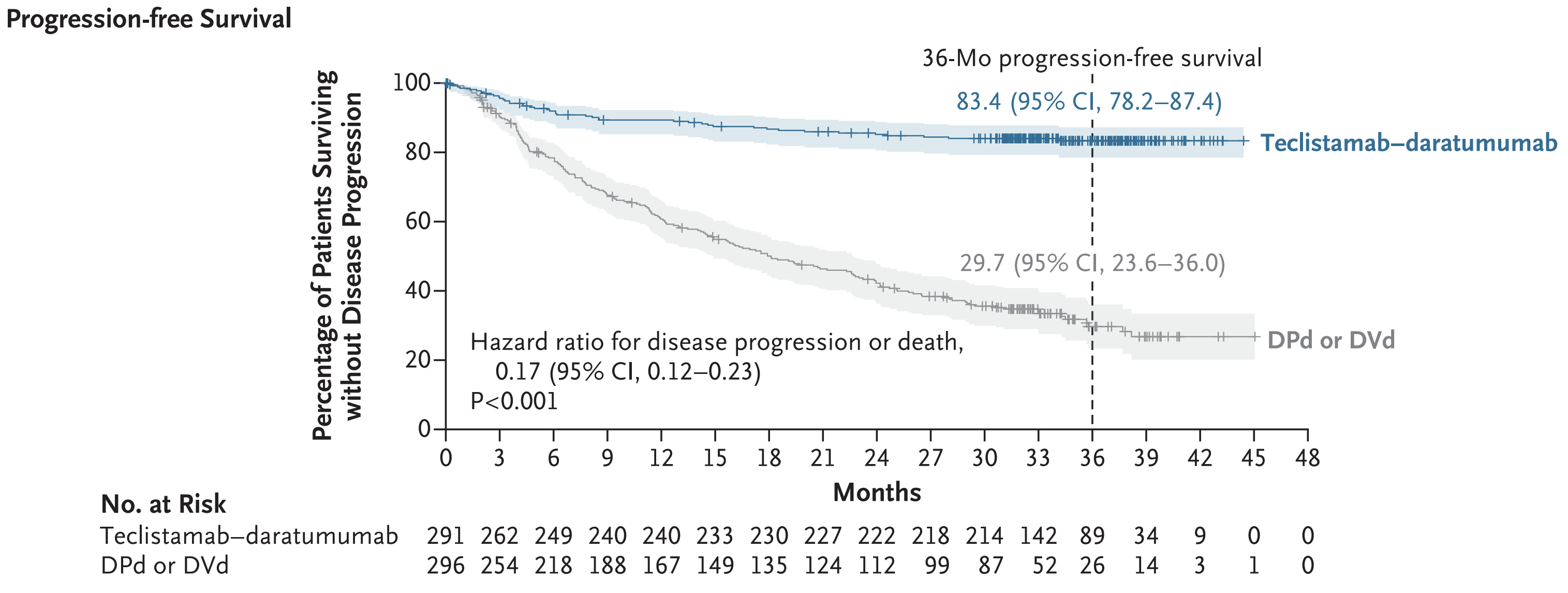
This trial, in the NEJM, tests dual therapy with daratumumab (a CD38 antibody that depletes malignant plasma cells) and teclistamab (a bispecific antibody that binds CD3 on T cells and BCMA on multiple myeloma cells, bringing them together and helping the T cells kill the cancer cells.). This regimen already has FDA-approval in multiple myeloma, but only after 4+ lines of previous therapy — this trial moves it forward, testing it as second-line therapy.
These data were presented initially on the 9 Dec 2025, as a late-breaker at American Society of Haematology. Shortly after, on 15 Dec 2025, the regimen received an FDA Priority Voucher, and was FDA-approved this week, on 5 Mar 2026: 4 months after data!
The Kaplan Meier curve shows the incredible progress that it represents:
This doesn’t come without its own risks, though: cytokine release syndrome and hypogammaglobulinemia are both adverse events, so close monitoring and infection prevention measures are required.
3. Remission of autoimmunity with an experimental antibody
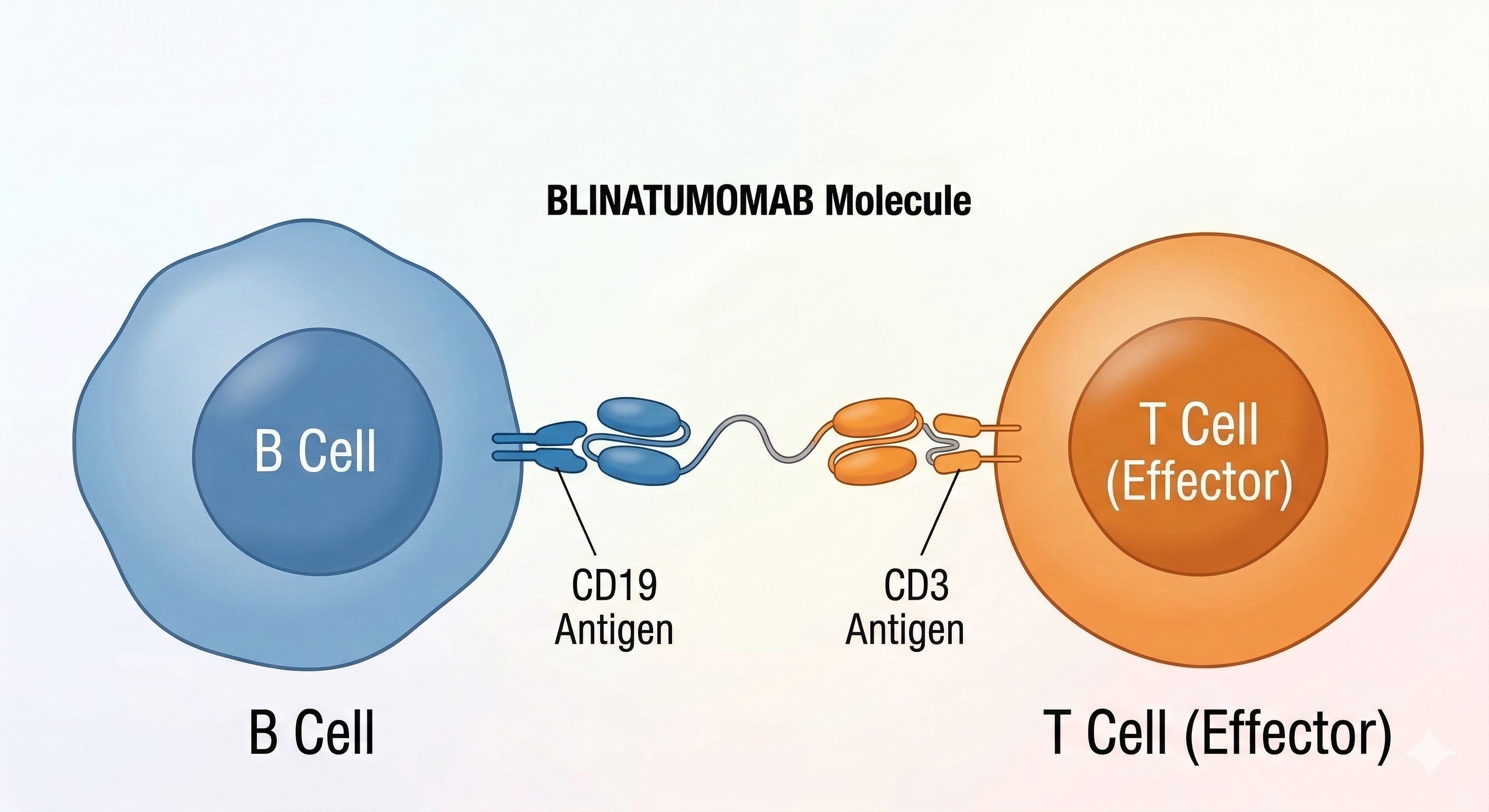
Recently there have been some amazing reports that Blinatumomab, a B cell-depleting antibody, can induce remission of autoimmune disease — rheumatoid arthritis, systemic sclerosis, myaesthenia gravis — in patients whose disease responds to no other therapy.
Blinatumomab works in a similar way to Teclistamab (discussed above) — it’s a bispecific CD3xCD19 T cell engager, which deeply depletes the B cell pool by linking B cells (which produce aberrant antibodies) to T cells (which kill them).
Another case was published this week in NEJM, which described a 31-year old woman with a disorder of both bleeding and thrombosis (combined immune thrombocytopenia and antiphospholipid syndrome), which was resistant to every therapy tested — glucocorticoids, rituximab, fostamatinib, azathioprine, daratumumab, even splenectomy.
After all of this, Blinatumomab was tried, and was able to induce disease remission: the B cell pool was reset, autoantibodies were depleted, platelet levels recovered, and bleeding resolved, with no further thrombosis.
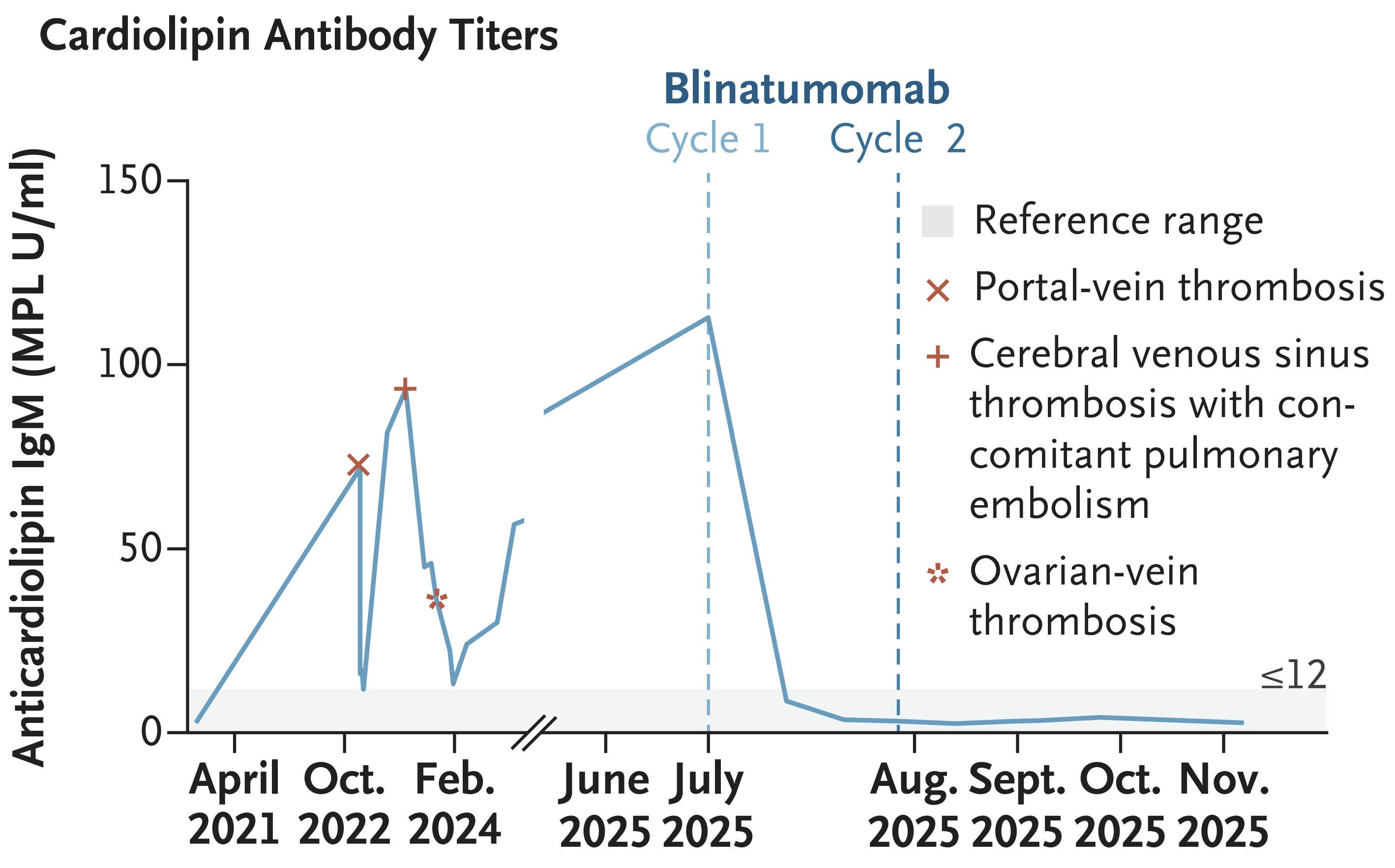
There’ve still been no big trials that test Blinatumomab in autoimmunity yet, but its potential to reset the immune system is extremely promising.
4. More evidence that GLP1s help with addiction
If you talk to people taking GLP1s, they’ll tell you they’ve not only stopped eating less, but they might’ve started drinking less alcohol — and maybe they’ve even stopped smoking, too.
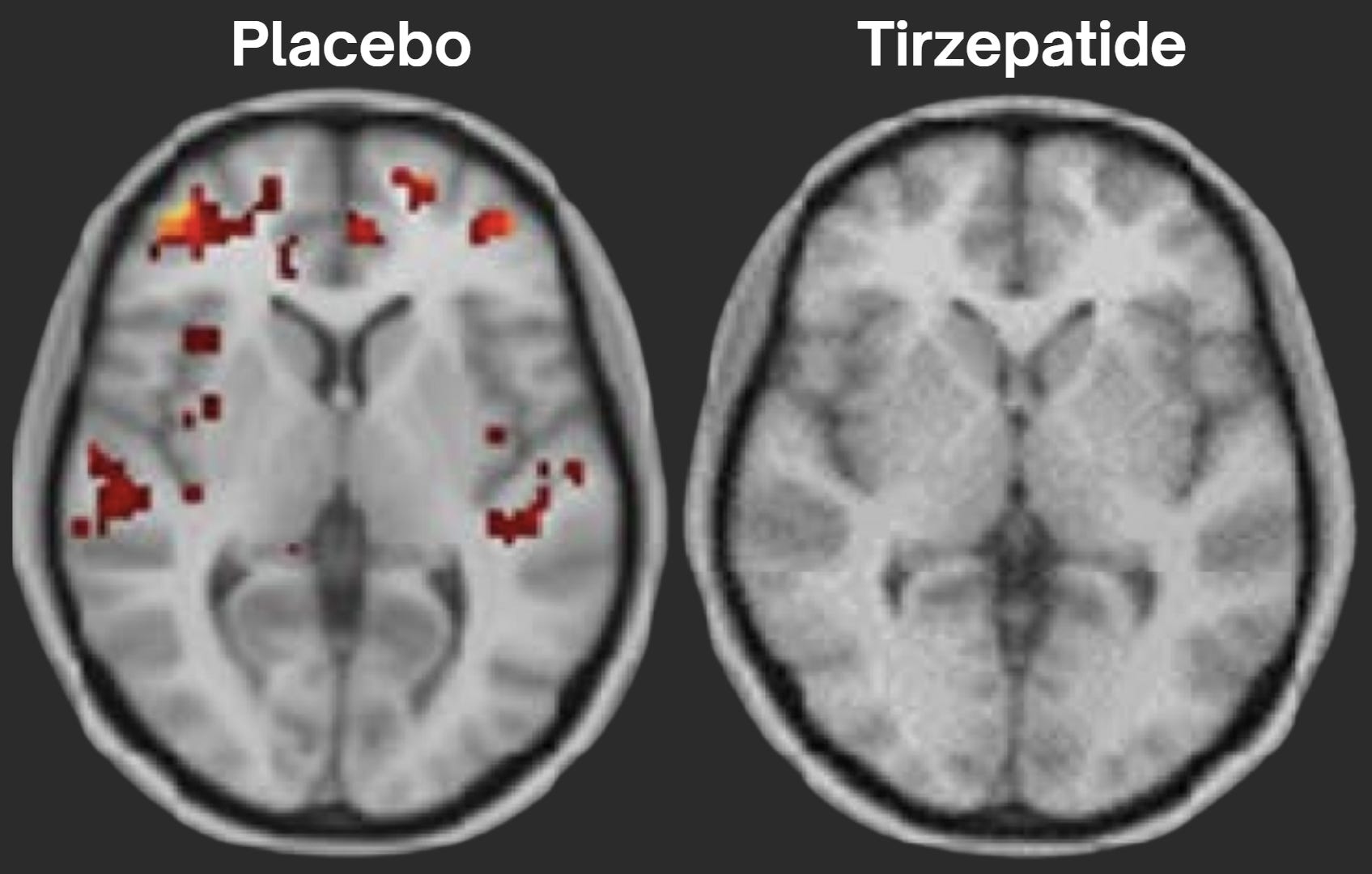
This might be because GLP1s seem to calm the brain’s drive to binge: