


Happy new year! At the end of last year I wrote about 10 medical breakthroughs from 2025 — you can read it here:

This year I’ll start with 5 major clinical trials to watch in 2026.
1. RAS inhibition in pancreatic cancer
A long-standing moon-shot in pancreatic cancer has been a RAS inhibitor, to target the mutations that drive ~90% of cases. RAS is the most commonly-mutated oncogene in cancer — its mutations mean it’s always ‘on’, forcing continuous proliferation and contributing to the extremely poor survival in this disease (3% at 5 years for metastatic disease).
For many decades RAS was considered undruggable, because of its smooth surface, with few deep pockets for a small molecule to bind tightly. Daraxonrasib, made by Revolution Medicines, has changed that: it first binds a scaffolding protein (called Cyclophilin A) and then RAS, which locks it into an inactive state:
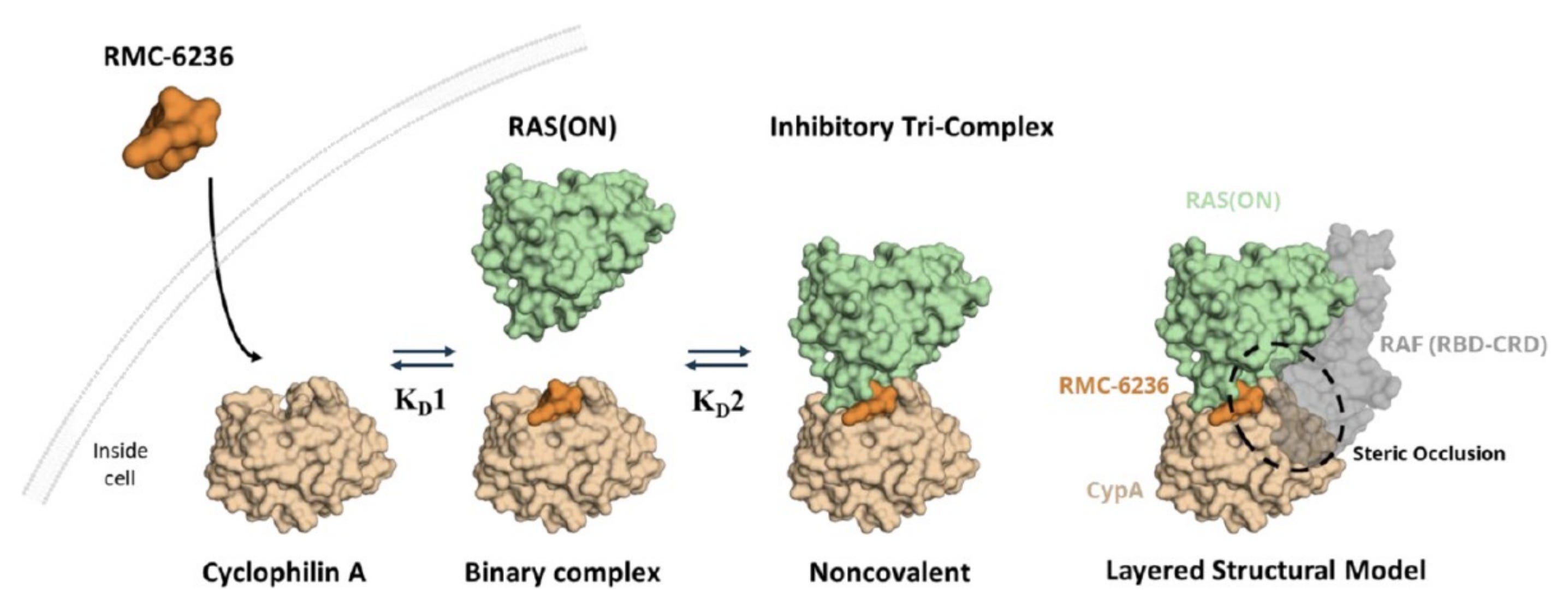
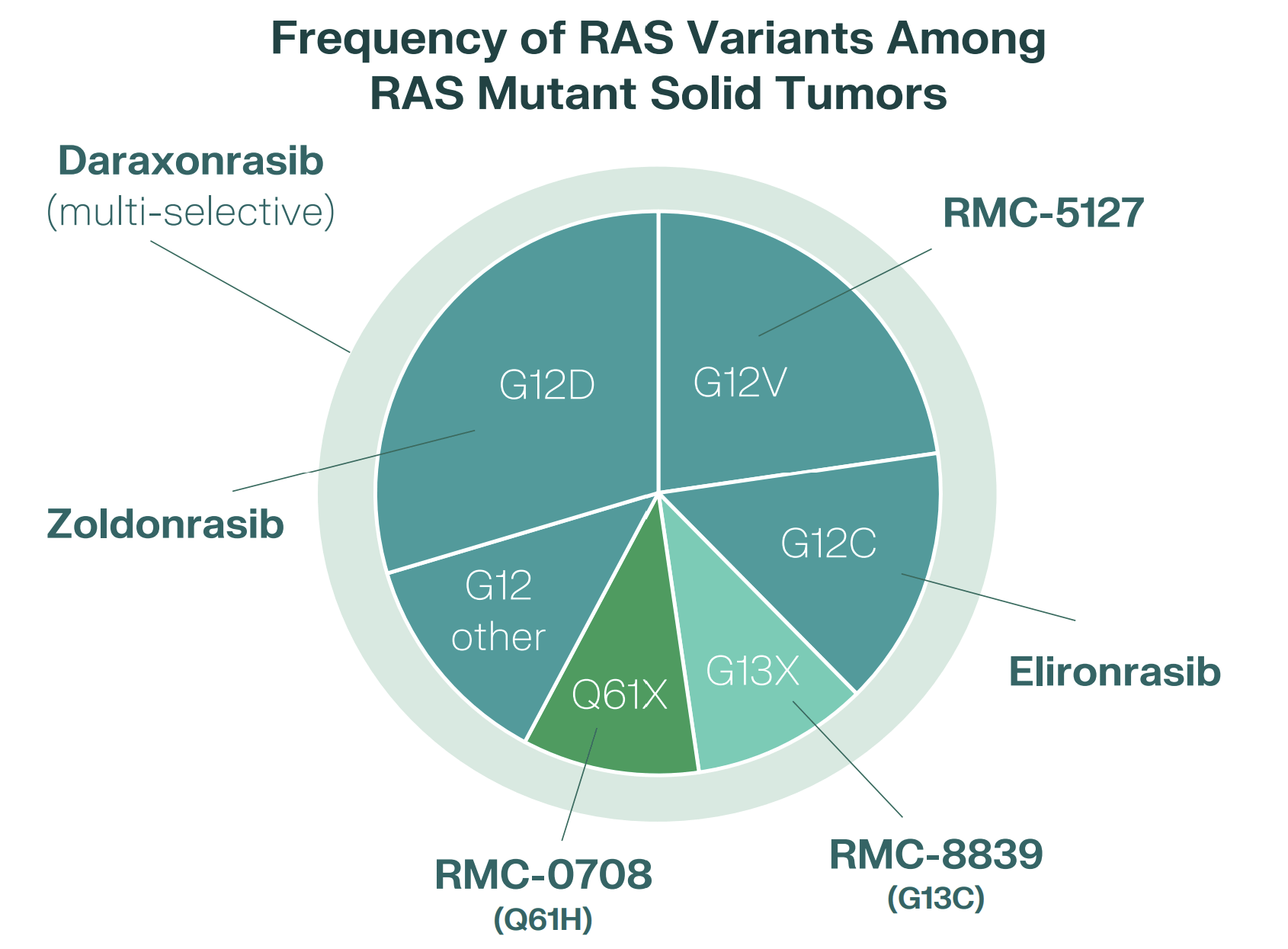
This mechanism means that Daraxonrasib inhibits many of the major RAS mutations:
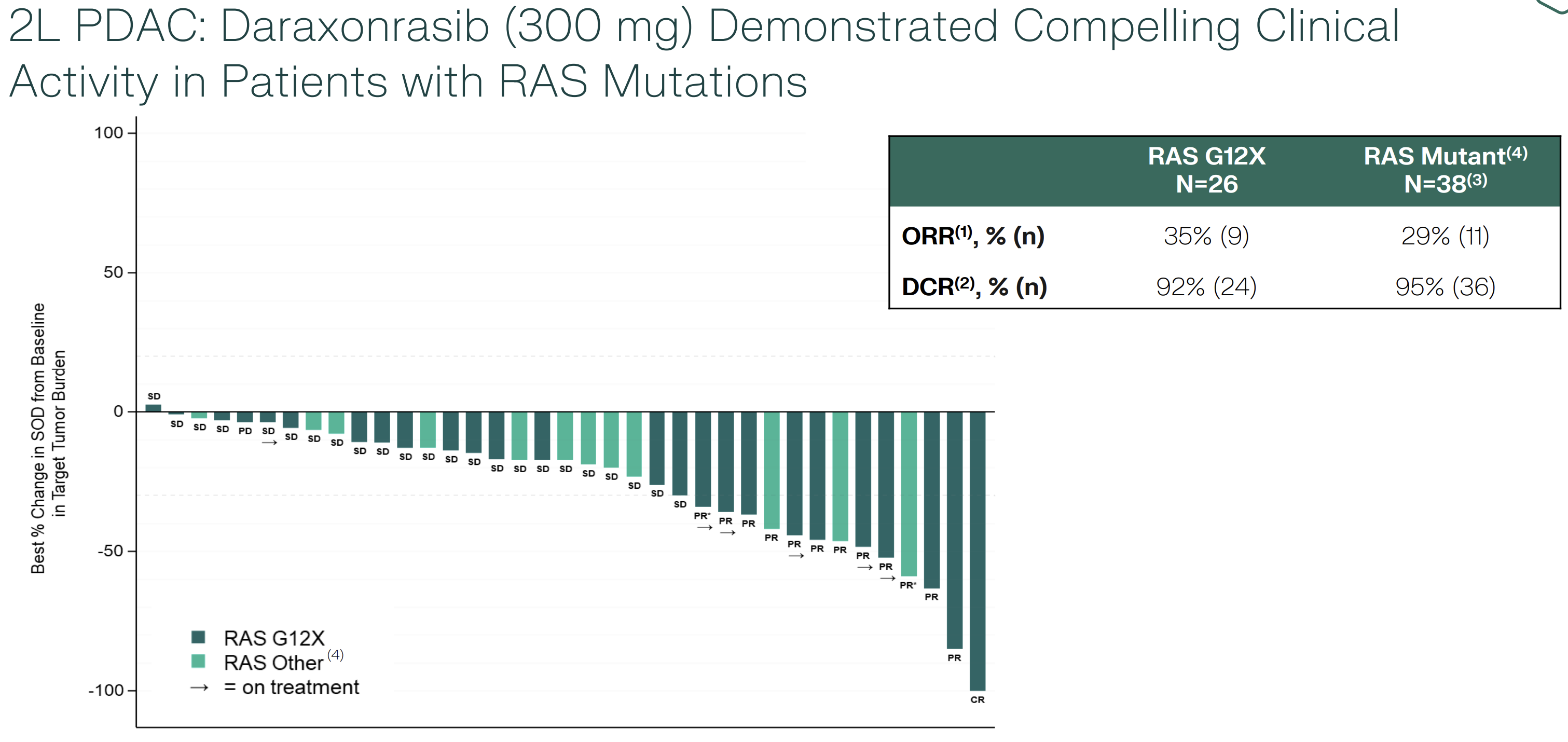
Pancreatic cancer is addicted to this continuous RAS activity — so if it’s inhibited, tumours should shrink. And that’s what’s seen in the clinical data: the waterfall plot for Daraxonrasib from the Phase 1b program is extremely impressive, with up to 35% overall response rate (vs. the average response rate for chemotherapy, which is more like 3-10%).
Daraxonrasib was awarded breakthrough therapy designation last year, and later a National Priority Voucher, which aims to speed up its potential approval from the standard 10-12 months to 1–2 months.
Still, the big challenge is the randomized phase 3 trial, which should complete in June 2026. Daraxonrasib is going up against standard-of-care chemotherapy, in the second line for metastatic pancreatic cancer (and it’s being tested as first-line therapy, and in resectable disease, alongside this). If successful, it could provide a new foundation for pancreatic cancer treatment.
2. Targeting inflammation to cut cardiovascular risk
The main modifiable drivers of cardiovascular disease are high LDL cholesterol, hypertension, smoking, diabetes, obesity, atrial fibrillation, chronic inflammation, and lipoprotein(a). Most of these have effective, directed therapies — with the notable exceptions of inflammation and lipoprotein(a).
Chronic, low level inflammation is a particular problem in chronic kidney disease. The biomarker that’s used is high-sensitivity CRP (hsCRP), high levels of which increase the risk of cardiovascular disease independent of all other risk factors.
Some medicines can lower hsCRP (like statins, GLP1s, and SGLT2 inhibitors) but nothing yet directly targets inflammation. To this end, an exciting target is the inflammatory cytokine, interleukin-6 (IL6), which is backed by strong genetic evidence in cardiovascular disease.
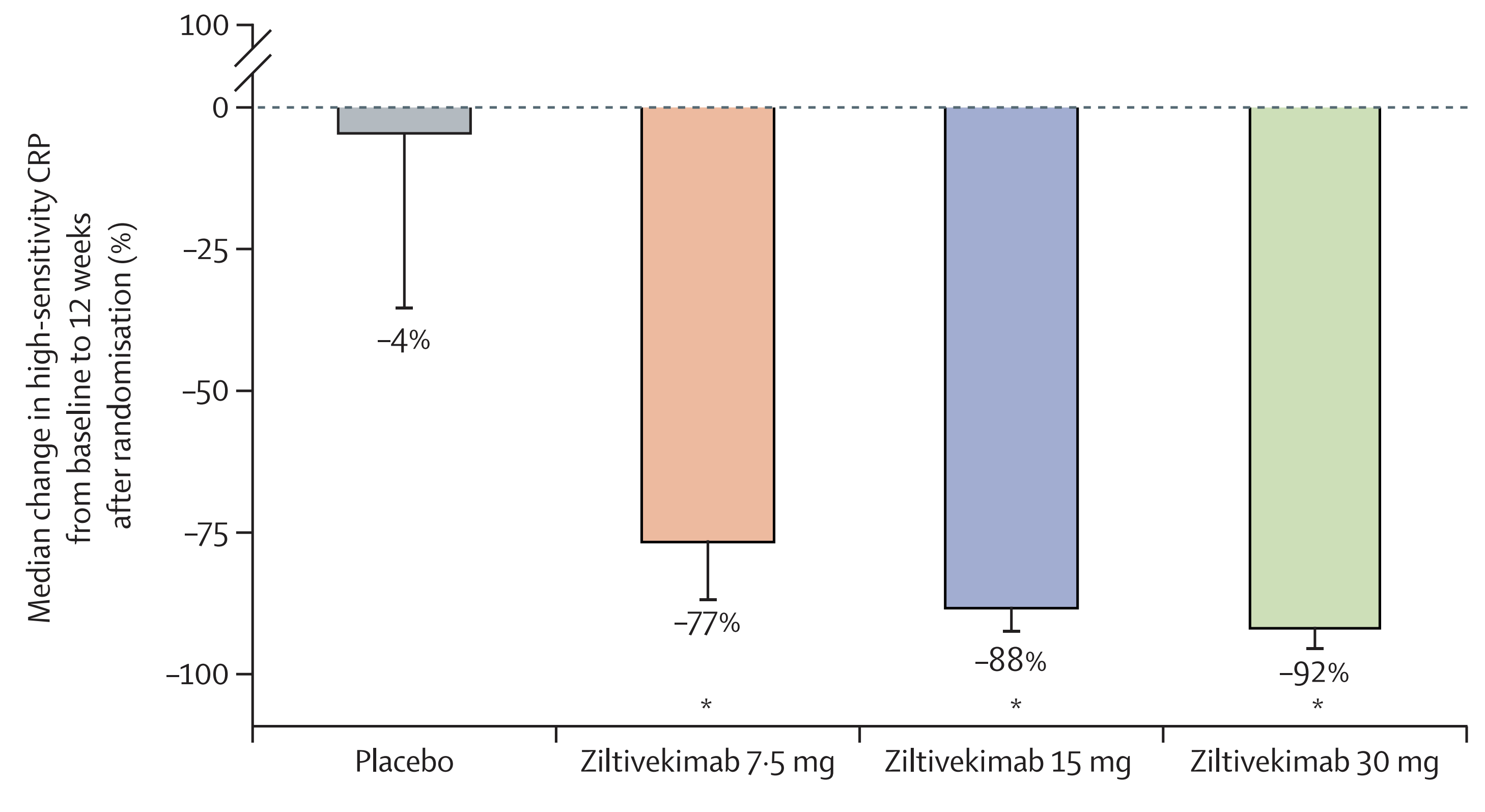
Novo Nordisk is testing an IL6 inhibitor, Ziltivekimab, which cut hsCRP levels by ~80-90% in the phase 2 trial:
The phase 3 trial is measuring the hard outcomes: cardiovascular death, myocardial infarction, or stroke, in people with established cardiovascular disease, chronic kidney disease, and persistent inflammation.
A key risk with anti-inflammatory therapy is the potential for infections — which previously toppled an IL1 inhibitor. IL1 is upstream of IL6, with broader effects, and its inhibition increased the risk of sepsis (though it did cut cardiovascular risk).
The readout for the phase 3 trial of Ziltivekimab is expected in June 2026 — if it works, and if it’s safe, it could establish IL6 inhibition as a new standard of care for cardiovascular risk reduction in chronic kidney disease.
3. Targeting lipoprotein(a) to cut cardiovascular risk
The other risk factor for cardiovascular disease that remains without a targeted therapy is lipoprotein(a).
Lp(a) is a molecule similar to LDL cholesterol — with an added protein component, called apolipoprotein(a). This means Lp(a) is controlled mainly by genetics, not diet or exercise. The current anti-lipid medicines don’t affect its levels much either — the best drug we have now is the PCSK9 inhibitor, Evolocumab, which only reduces the levels of Lp(a) by about 20%.
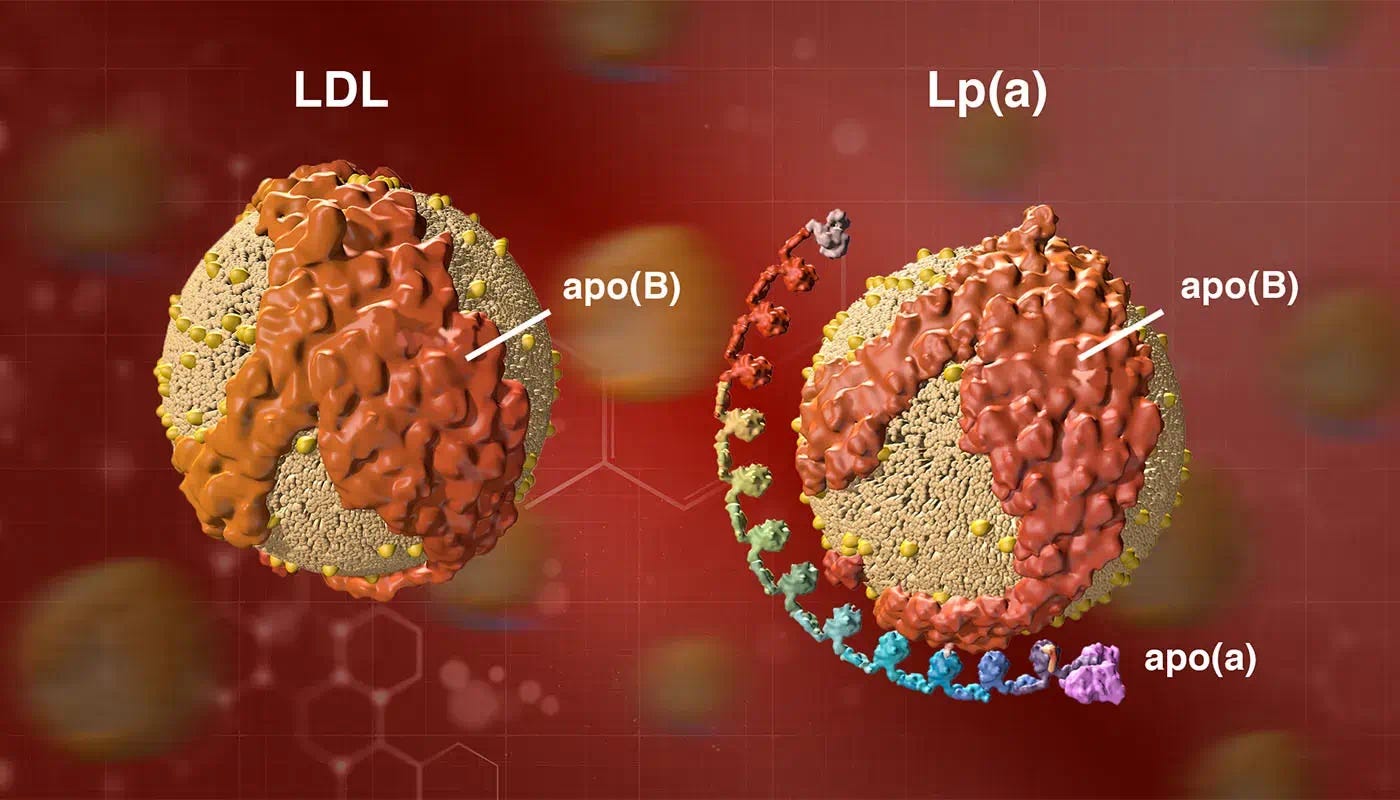
Lp(a) is linked to atherosclerosis (and therefore to the risk of heart attack and stroke) but unlike LDL cholesterol it’s also linked to aortic stenosis (narrowing of the main valve coming out of the heart).
Despite this, we still have no direct evidence that lowering Lp(a) levels reduces cardiovascular risk: the Lp(a) hypothesis is yet to be proven. That’s why this trial, for Pelacarsen (developed by Novartis and Ionis Pharma) is so important.
These data beautifully illustrate the question being addressed: if people with high levels of Lp(a) (left) receive monthly Pelacarsen, such that their levels drop (right), does this reduce the risk of cardiovascular disease?
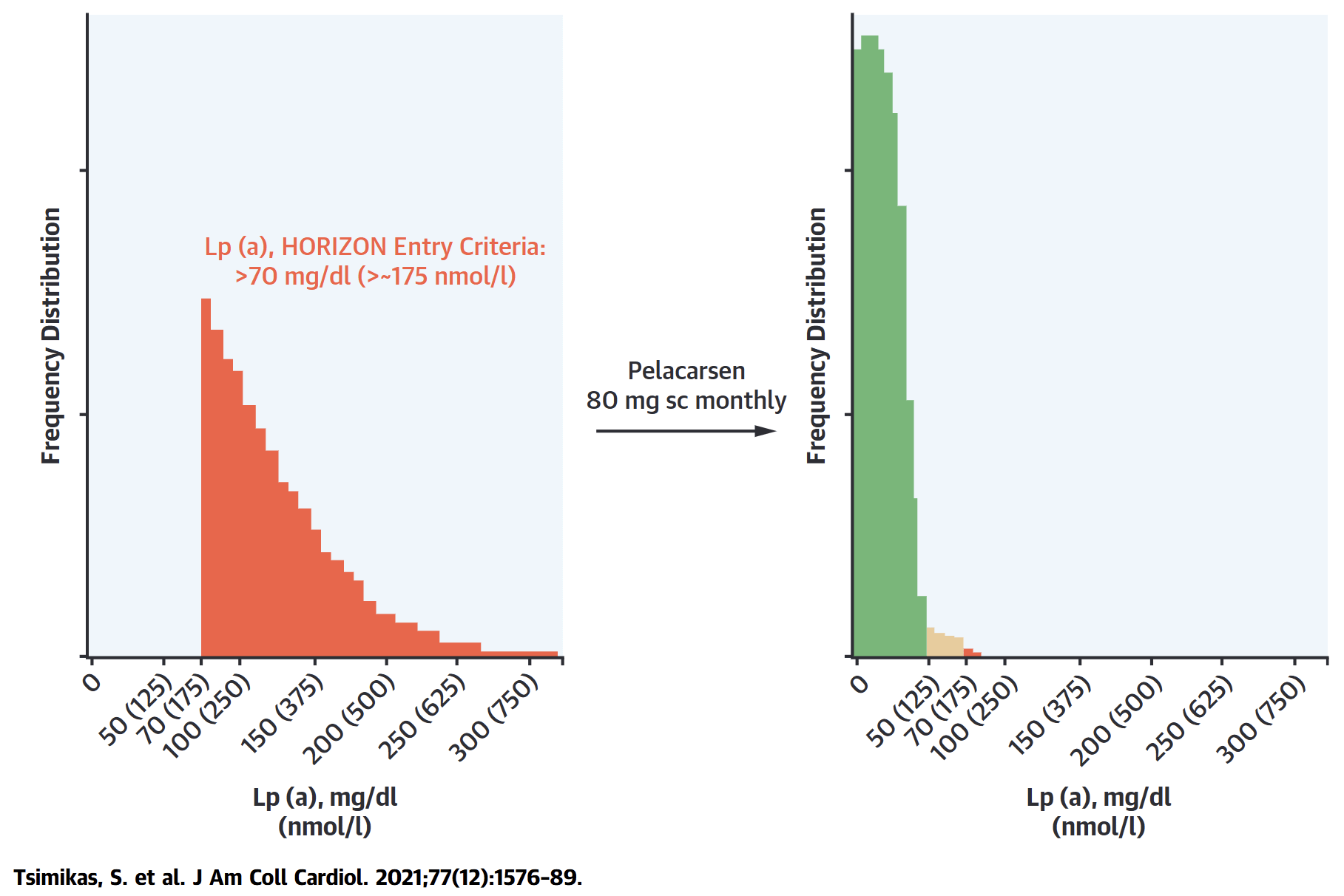
The phase 3 trial is in 8,000+ patients with established cardiovascular disease and elevated Lp(a) — with a hard primary endpoint composite of cardiovascular death, myocardial infarction, stroke, or urgent coronary revascularization requiring hospitalization. The readout is expected in the first half of 2026.
4. Tirzepatide vs. Retatrutide in obesity
The two heavyweights in the obesity space have become Tirzepatide and Retatrutide, but they’ve never been tested head-to-head — so, which is more effective, and which is more tolerable?
