


Progress in medicine is fast. I track it here, with the 5 most important advances from each week — let’s go!
This newsletter is sponsored by Scholara (ok, it’s my own app) — check it out!

1. The first US-approved weekly insulin
Basal insulin, which provides a baseline level of insulin that can be topped up at mealtimes, is usually given as a once-daily injection. Novo Nordisk’s Insulin Icodec was just FDA-approved this week — the first weekly insulin to be approved in the US — which reduces the burden of weekly basal insulin injections from 7 to 1.
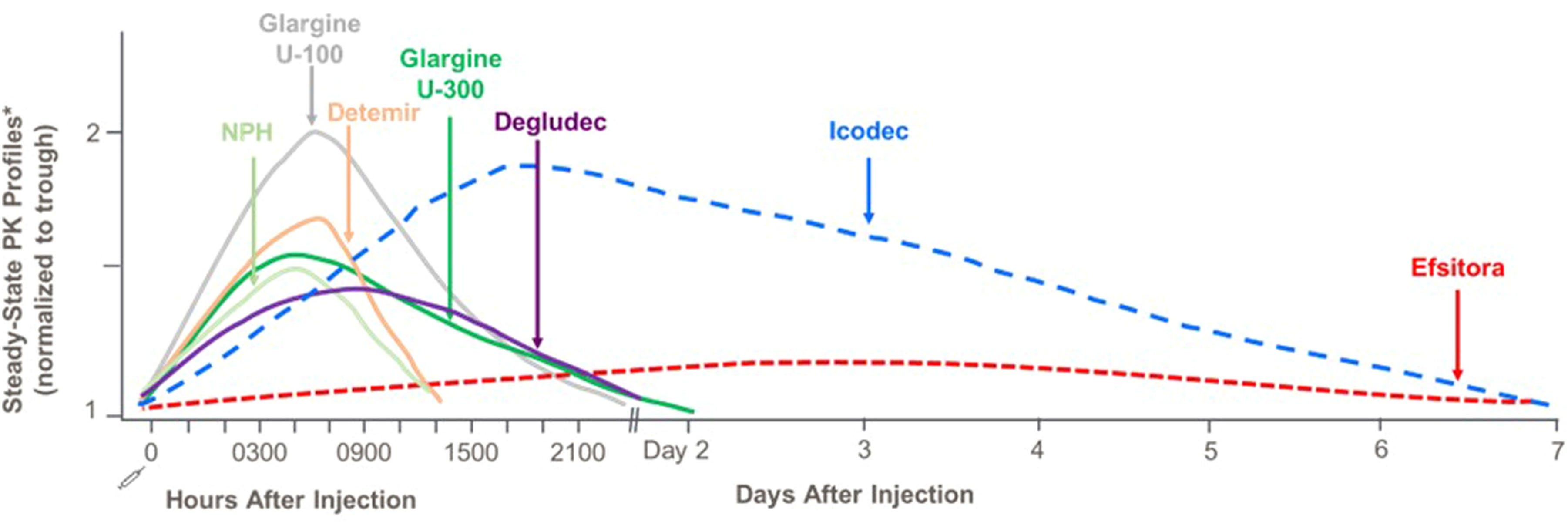
The approval is for type 2 diabetes. In the trial, it was better than daily insulin (Glargine) to control HbA1C. The main potential safety concern of a weekly insulin is dangerously low blood sugar (hypoglycaemia), but there was no clear, statistically significant increased risk of this in the trial.
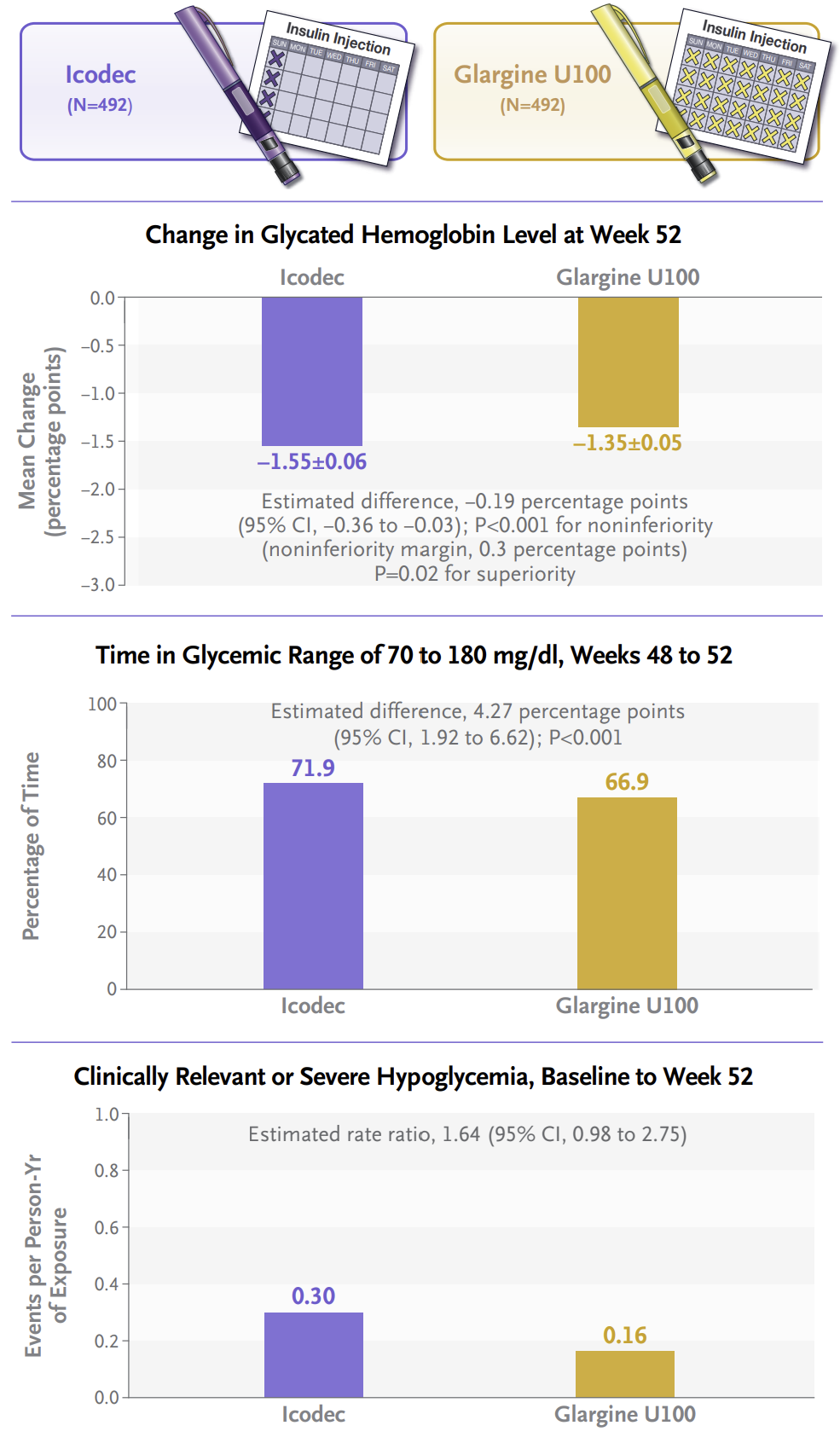
What about in type 1 diabetes? There are trials there, too, but weekly insulin did lead to increased hypoglycemia compared to daily insulin. This held back the US from approving Icodec for type 1 diabetes, but Canada and the EU both approved it — for both type 1 and 2 diabetes — back in 2024.
It’ll launch in the US in the second half of this year, with expected annual sales of $5B/year by 2030. Looking into the future, Novo Nordisk are also combining Icodec with their lead GLP1 receptor agonist, Semaglutide, together in the same pen — it’s called IcoSema, and it’s already approved in the EU!
2. The lower the LDL cholesterol, the better
It’s clear from genetic evidence, from meta-analyses, and from trials with increasing intensity of cholesterol-lowering therapies, that lower cholesterol tends to better protect against heart disease. It’s been shown previously, too, that an LDL target of <70 mg/dL beats a target of <90 mg-110 mg/dL. But what about an even lower target: <55 mg/dL?
That’s what was tested here, in patients with cardiovascular disease — presented in the NEJM this week, and at the ACC26 conference. The effect is huge: 33% fewer cardiovascular events (defined as death from cardiovascular causes, nonfatal myocardial infarction, nonfatal stroke, any revascularization, or hospitalization for unstable angina at 3 years).
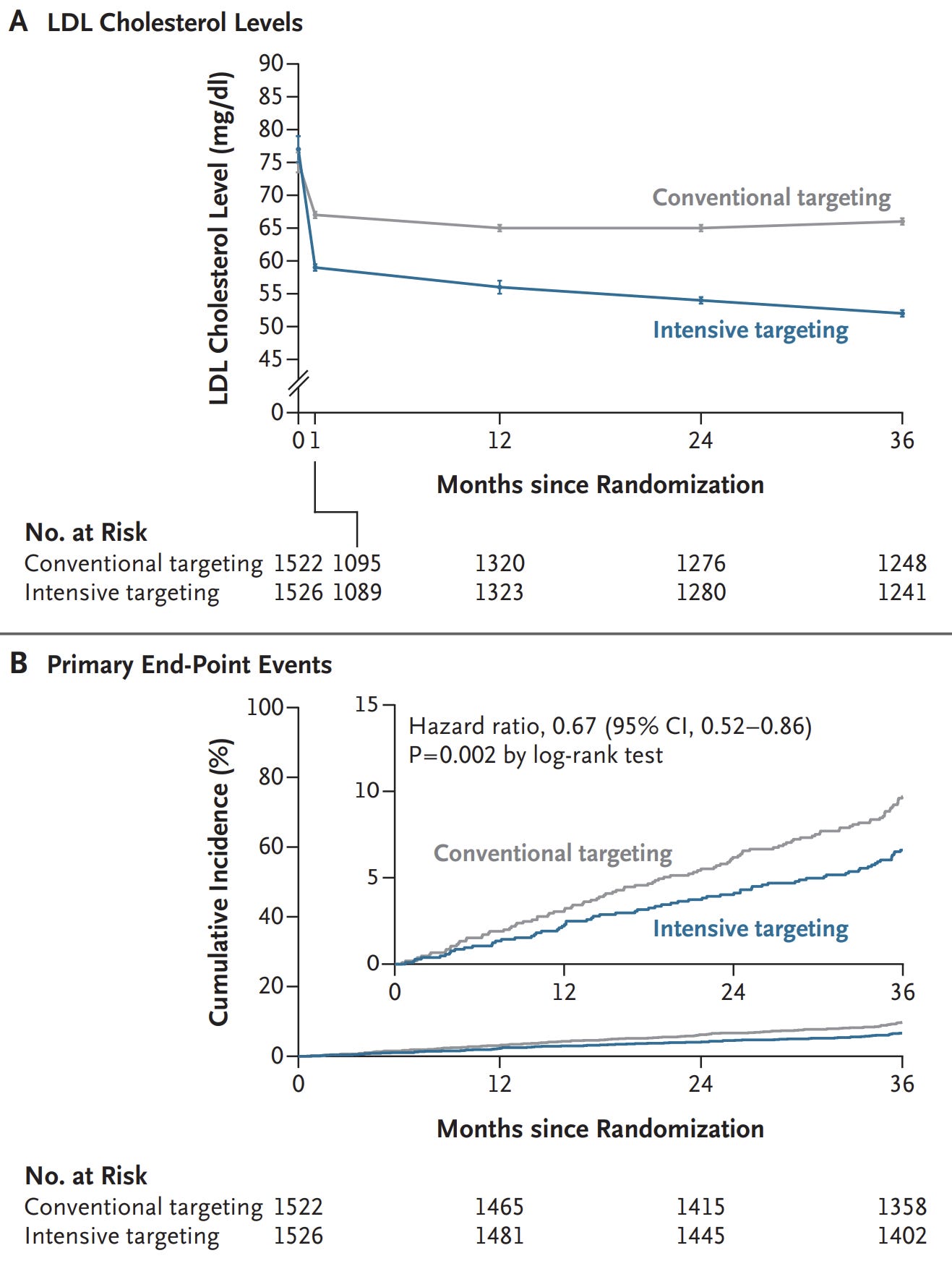
The absolute risk reduction was 3.1% over these 3 years, for a number-needed to treat of 32 (roughly 32 patients need intensive targeting for 3 years to prevent 1 cardiovascular event). The intensive targeting group did this through more use of high-intensity statins, more ezetimibe use, and slightly more PCSK9 inhibitor use.
The striking thing is that the intensive-lowering group only reduced LDL cholesterol by ~15% (56 mg/dL vs. 66 mg/dL). The 33% reduction in cardiovascular events that this led to is more than expected, and it’s unclear why that is — there may be population-specific effects, since the trial was specific to South Korea.
With intensive lipid-lowering, safety concerns would be new-onset diabetes, muscle symptoms, and liver enzyme changes, but none of these were different between the groups. The only safety difference was fewer events of creatinine elevation (i.e. better kidney function) with intensive lipid-lowering.
3. A chemotherapy-boosting therapy gets approval
When I was doing pre-clinical cancer research, we spent a lot of time trying to find new agents to boost the efficacy of chemotherapy. There’s still only one drug approved for this purpose, though: Leucovorin, which boosts the efficacy of fluorouracil chemotherapy.
Corcept therapeutics now have a second, which was just approved this week. It’s a glucocorticoid receptor blocker, which inhibits the cortisol signalling that cancer cells use to resist chemotherapy.
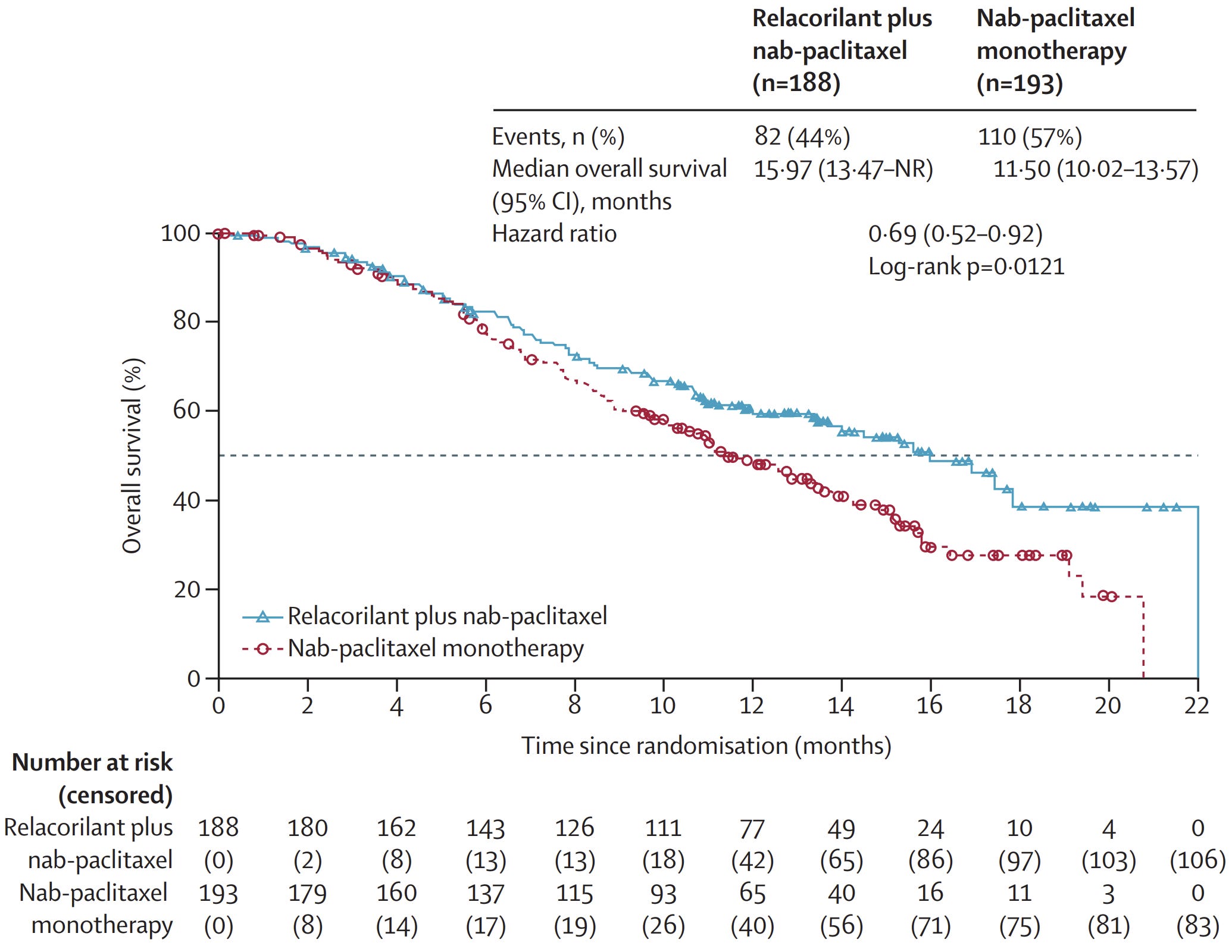
In the trial, in patients with ovarian cancer (resistant to previous lines of chemotherapy), combining Relacorilant with the standard of care chemotherapy, nab-paclitaxel, increased overall survival:
This approach could, in theory, generalise to other chemotherapy backbones, other cancer types, or even immunotherapies too (and Corcept are pursuing each of these).
